Exporting Dog Chews to the US from Turkiye: From Facility to Shelf
From the export side, shipping dog chews to the US is a sequence, not a single event. Here is the path from a registered facility to a US shelf.
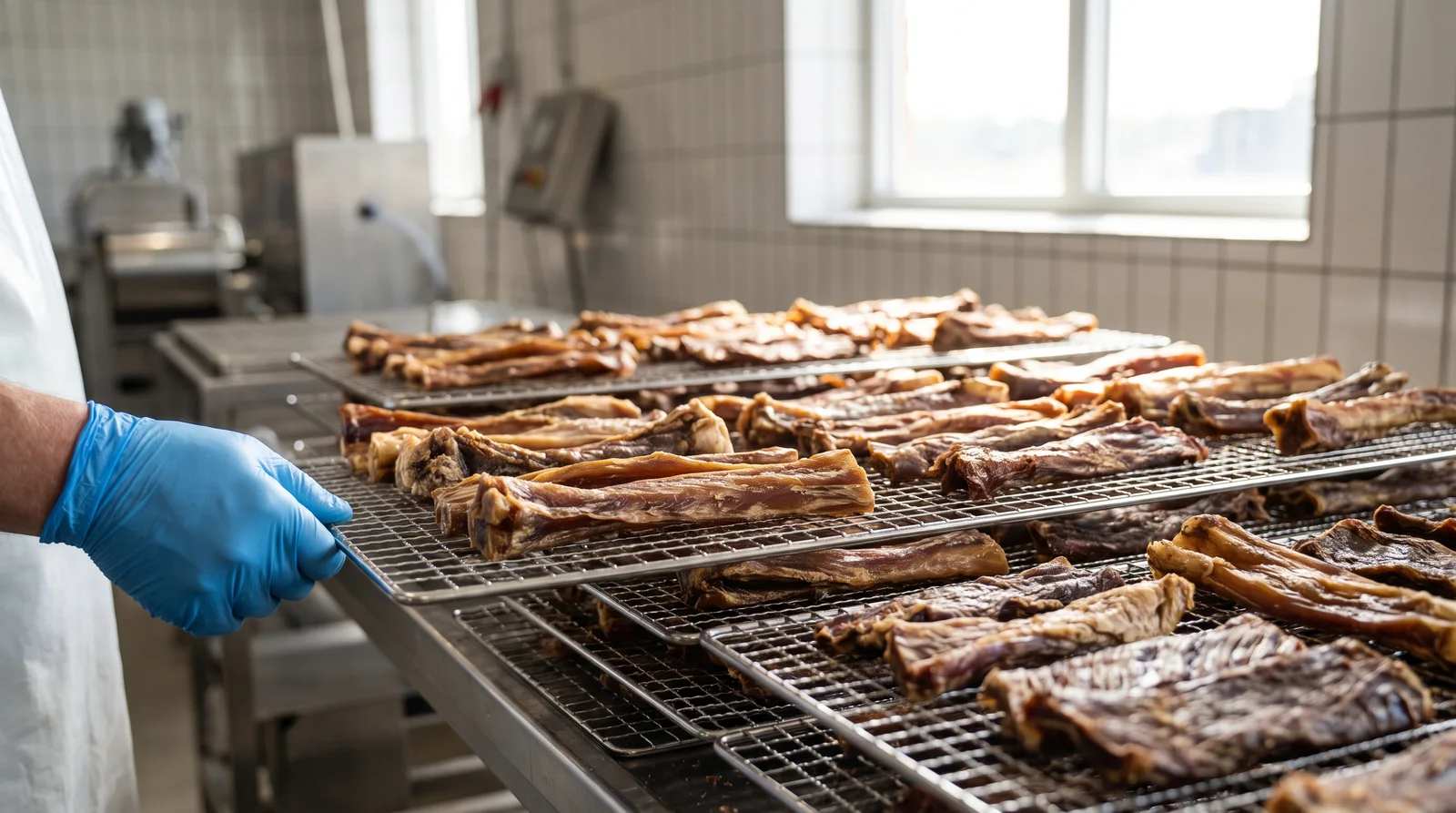
Seen from the export side, shipping natural dog chews to the United States is a sequence, not a single event. Each step unlocks the next, and skipping ahead is where shipments stall. This is the path we run from the facility in Turkiye to a US buyer’s shelf.
This page is written for US buyers who want to understand what happens before goods reach their port: what the facility does, which documents are produced on the export side, and what the buyer should receive with every shipment. If you are looking at the same process from the importer’s side, our US import compliance guide covers it.
Step one: a registered facility
Before anything moves, the producing facility is registered with the FDA as a food facility. This is the foundation the rest of the paperwork rests on, and it is done at the start of the relationship, not in a rush before a shipment.
Registration is not a one-off form. Foreign facilities designate a US agent, renew their registration on the FDA’s cycle, and are expected to follow the preventive controls rule for animal food, which means good manufacturing practice and, for most facilities, a written food safety plan. A buyer can ask to see how that plan addresses biological hazards such as Salmonella.
Step two: the origin documentation and APHIS permit
Because the goods are animal-origin, the export runs on a USDA APHIS import permit and a health certificate issued in the country of origin. The permit language is agreed before production so the health certificate matches exactly what ships.
The permit belongs to the US importer. The facility’s job is to supply an accurate description of the raw material, the process and the packing so the application is clear, and later to arrange the veterinary health certificate for each shipment with wording that matches the permit conditions.
Step three: labeling that will clear US retail
Labels are prepared to US expectations before the run: ingredient statement, net weight and responsible-party details. For private-label buyers the artwork is theirs; the facility prints to the approved file.
Country of origin marking such as “Product of Turkiye” goes on the retail pack, and the guaranteed analysis printed on the label should come from the product specification, not from a generic template.
Step four: shipment and US entry
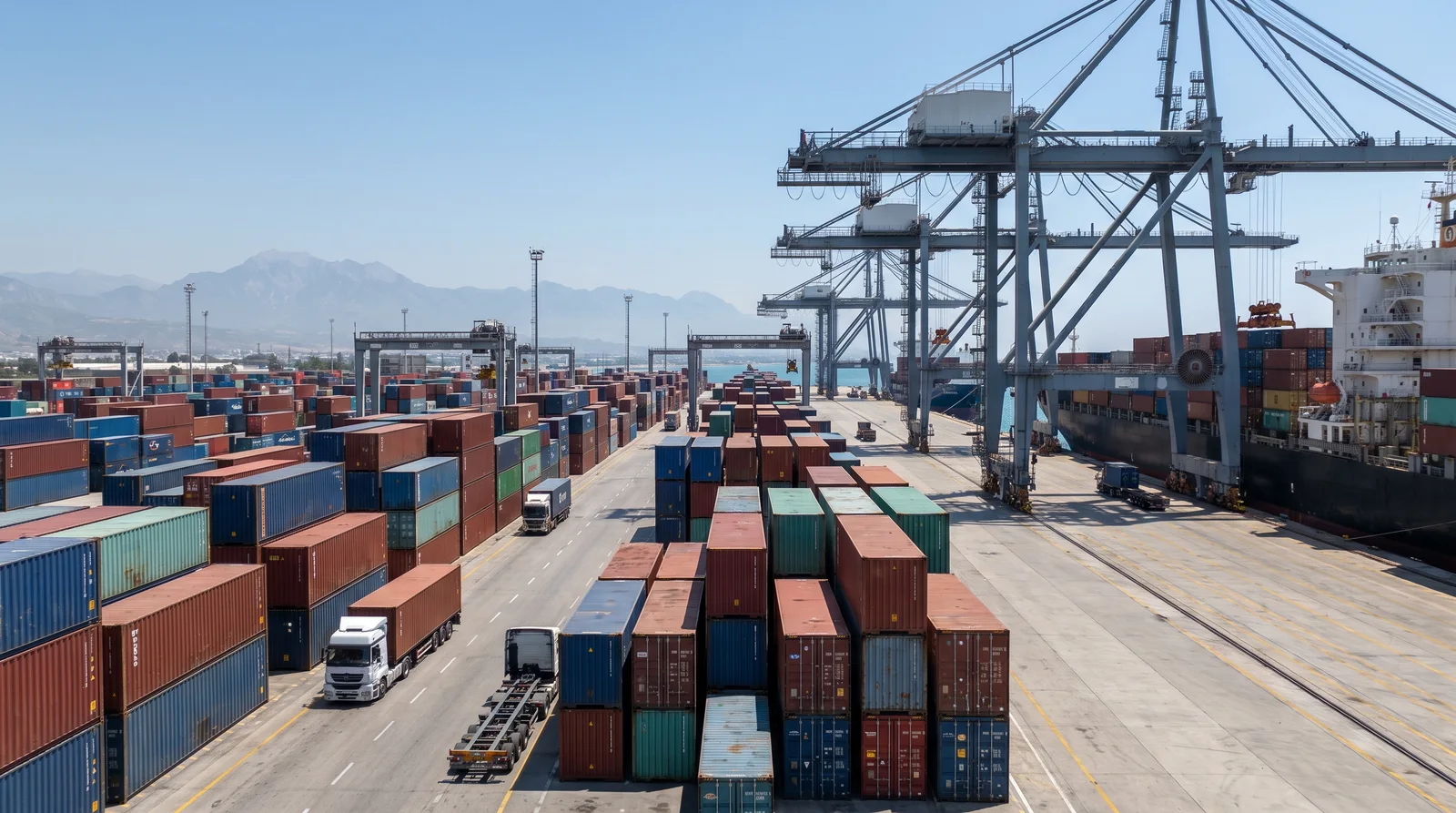
Goods move by the agreed route while the US customs broker files the entry against the prior notice and the APHIS documents. When the earlier steps are clean, entry is routine and the timeline is predictable.
Most chew shipments travel by sea in containers from ports such as Mersin or Istanbul, while samples and urgent small orders can go by air. The route affects transit time and cost, not the paperwork: the same document pack is needed either way.
What happens inside the facility
For a natural chew such as a bully stick or a braided beef skin, production usually follows the same general flow. Details vary by product and by facility, so ask your supplier for its own process description.
- Raw material receiving: incoming animal material is checked for origin documents, temperature and condition.
- Cleaning and preparation: material is washed, trimmed and cut or shaped to the product spec.
- Drying or baking: the product is dried under controlled time and temperature until it reaches the target moisture.
- Cooling and inspection: pieces are cooled, sorted by size and checked for defects.
- Testing: samples from the lot go to a laboratory for the agreed tests.
- Packing and lot coding: product is packed into retail or bulk packaging with a lot code that links back to production records.
How quality is checked before goods leave
A shipment should not leave the facility on trust. Before loading, the buyer and the supplier usually confirm three things: the lot test results, the physical condition of the goods, and the documents.
- Lot results: the certificate of analysis for each lot is reviewed and matched to the lot codes on the cartons.
- Physical check: a sample of cartons is opened to confirm size range, dryness, packaging seals and label print against the approved spec.
- Documents: draft invoice, packing list and health certificate wording are compared with the permit and with each other.
Some buyers use an independent inspection company for this pre-shipment check, especially on the first orders. Others rely on photos, test reports and draft documents sent by the supplier. Either way, agree on the method before production starts so it does not delay loading.
Who does what along the route
| Stage | Led by | What it produces |
|---|---|---|
| Facility registration and food safety plan | Facility | FDA registration details, food safety documentation |
| Import permit application | US importer, with supplier data | USDA APHIS import permit |
| Specification and label | Buyer and facility together | Approved spec sheet and print-ready artwork |
| Production and testing | Facility | Packed goods, certificate of analysis per lot |
| Export documents | Facility and exporting country authorities | Invoice, packing list, veterinary health certificate |
| US entry | US customs broker | FDA Prior Notice, entry filing, release |
Why the order matters
Every delay we have seen traces back to a step taken out of sequence: a shipment booked before the permit, or a label finalized after production. Run the steps in order and the border becomes the easy part.
Order also matters for changes. Adding a new protein, a coating or a new pack format can affect the permit, the label and the test plan at the same time. Treat any change as a small restart of the sequence rather than an edit at the last minute.
The same applies to timing. The health certificate is issued close to shipment, after production and testing, so a late test result or a packaging delay pushes the certificate and the booking with it. Building a small buffer between the planned production end and the vessel cut-off avoids most of these knock-on delays.
What a US buyer should receive with each shipment
- Commercial invoice and packing list with matching product descriptions and lot codes.
- Veterinary health certificate issued for that shipment.
- Certificate of analysis for each lot in the shipment.
- Bill of lading or air waybill.
- The facility details your broker needs for FDA Prior Notice.
If you are evaluating chew suppliers more broadly, our guide to choosing a wholesale bully stick supplier applies the same checks to a single product line, and our compliance and logistics page shows how we divide these tasks.
Frequently asked questions
How long does the first export take to set up?
The one-time steps are facility registration and the permit. Once those are in place, repeat shipments follow the same documented path and move on a predictable schedule.
Does the US buyer need to file anything?
The US buyer, through a customs broker, files the entry and the FDA prior notice. The origin-side documentation is prepared by the supplier.
What animal proteins can be exported?
Common chew proteins include beef, lamb, goat, buffalo and camel. The permit conditions depend on the species and the processing, which we confirm before production.
Can I visit the facility or ask for an audit?
Many buyers ask for a site visit or a third-party audit before a large program. Discuss it with the supplier early so the visit can be planned around production.
Can samples be shipped before the permit is issued?
Samples of animal-origin products can also fall under import rules. Check with your customs broker and APHIS before shipping samples, especially in larger quantities.
What if a lot fails a laboratory test?
A failed lot should not ship. Agree in advance how the supplier handles out-of-spec lots and how replacement production affects your delivery date.
Talk to a supplier, not a broker
Tell us your product group, target market and volumes, and we will come back with a quote and the compliance steps that actually apply.
Request a quoteThe US-facing pet line of Export Partners LLC. Wholesale and private-label functional chews, natural dog chews and freeze-dried treats, sourced in Turkiye with FDA and USDA compliance handled on the supplier side.
Leave a Reply