Author: cwpadmin

  • Freeze-Dried vs Dehydrated Dog Treats: A Wholesale Buyer’s Guide

    Freeze-Dried vs Dehydrated Dog Treats: A Wholesale Buyer’s Guide

    Wholesale & private-label · US company · Supply chain outside China · FDA & USDA documentationPart of Export Partners LLC ↗
    Buyer guide

    Freeze-Dried vs Dehydrated Dog Treats: A Wholesale Buyer’s Guide

    If you are comparing suppliers for single-ingredient treats, you will see three drying terms on spec sheets: freeze-dried, dehydrated and air-dried. They are often used as if they meant the same thing. They do not, and the difference shows up in texture, packaging, shelf life questions, freight and the price per pouch. This guide explains how the methods differ so you can ask better questions before you place an order.
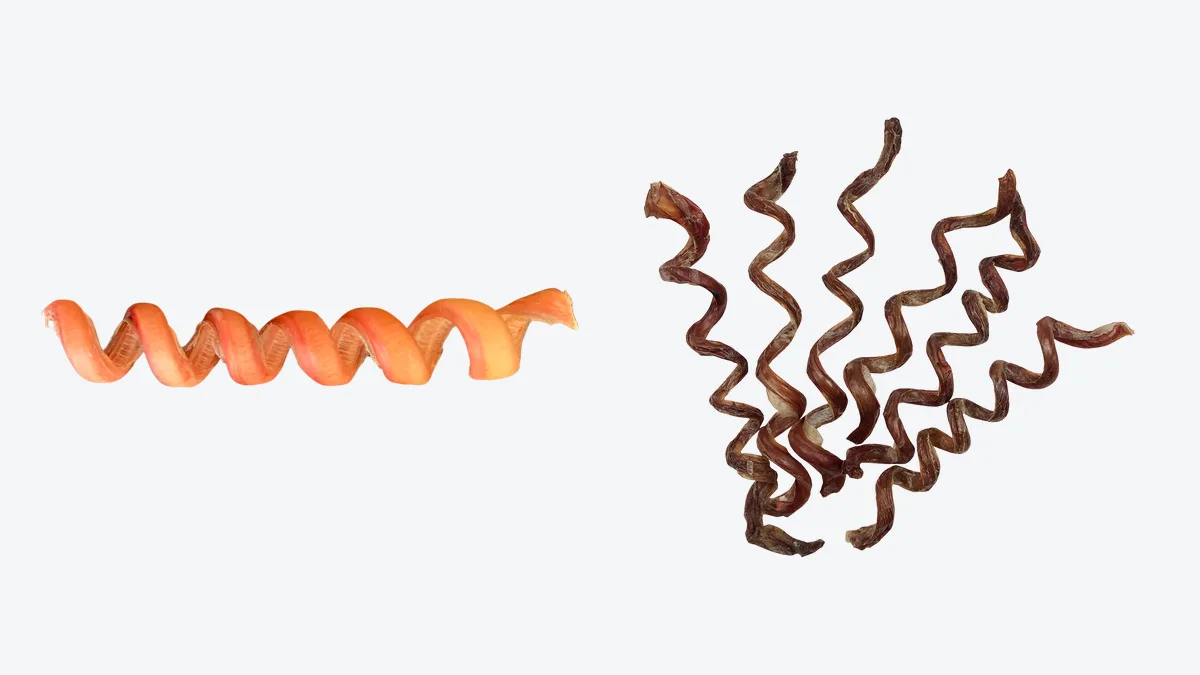
    Freeze-Dried vs Dehydrated Dog Treats: A Wholesale Buyer's Guide

    What each term means

    All three methods remove water so the product can be stored without refrigeration. What differs is how the water leaves.

    Freeze-dried product is frozen first. The water is then removed under vacuum, going from ice straight to vapor. The piece keeps its shape and ends up light and porous.

    Dehydrated product is dried with heat and moving air, usually at moderate temperatures over several hours. Pieces shrink as the water leaves, so they end up denser and firmer.

    Air-dried is slower and gentler than standard dehydration, and the term is used loosely. Some suppliers use it for a slow, low-heat process, others use it as a marketing word for dehydrated. Ask for the actual process, not just the label.

    Side-by-side comparison

    FactorFreeze-driedDehydratedAir-dried
    Drying methodFrozen, then vacuumHeated moving airSlow, warm air (definition varies)
    TextureLight, crisp, crumblyFirm, chewy to hardDense, chewy
    Shape after dryingClose to the original pieceShrinks noticeablyShrinks noticeably
    RehydrationAbsorbs water quicklySlowSlow
    Packaging needHigh barrier, often oxygen absorberModerate to high barrierModerate to high barrier
    Typical cost positionHigher, equipment and time heavyLowerBetween the two, varies
    Weight per pouchVery light, large pouch volumeHeavier per pouchHeavier per pouch

    The cost row describes general industry patterns. Real quotes depend on the raw material, volume and spec, so treat it as a starting assumption, not a price.

    Texture and what it means for the customer

    Freeze-dried pieces tend to be crisp and break easily. That suits training treats and toppers, but it also means more crumbs at the bottom of the pouch. Dehydrated and air-dried pieces are tougher and hold together, which suits chews and longer sessions.

    Neither texture is better in general. The right choice depends on the product you want on the shelf and the customer who buys it. Ask for samples of each format before you commit to one.

    Storage, packaging and shelf life

    Dried product picks up moisture from the air, and freeze-dried pieces do it fastest because they are porous. Resealable pouches with a moisture and oxygen barrier are standard for freeze-dried product, and many suppliers add an oxygen absorber. Dehydrated pieces are less sensitive, but still need a proper pack.

    Do not accept a shelf life number without context. Ask three things: how the shelf life was determined, which packaging it assumes, and whether the producer will state it in writing on the spec. Our guide on what to check with wholesale freeze-dried suppliers goes through the spec and packing questions in more detail.

    Freight and warehouse impact

    Freeze-dried product is light but bulky. A carton holds a lot of volume and not much weight, so freight cost per pouch can behave differently than you expect, and crush damage becomes a concern. Dehydrated product is the opposite: more weight in less space. Ask your supplier for carton size, units per carton and gross weight so you can compare landed cost on the same basis.

    Food safety and US import basics

    Drying lowers water activity, but it is not a kill step on its own. Pathogen control depends on the raw material, the process and the testing plan. For any format, ask which tests run on every lot, who pays for them and what documents ship with the product. The FDA requirements for dog treats page covers the registration and Prior Notice side of importing. Rules and facility requirements vary by product type, so confirm the details for your specific item with a licensed customs broker or your regulatory adviser.

    Which format fits which buyer

    • Pet specialty stores and boutiques often lean toward freeze-dried for the premium positioning and single-ingredient story.
    • Private label brands starting out may prefer dehydrated or air-dried to keep the cost per pouch and minimum order lower. See how minimum order quantities are usually structured.
    • Amazon and online sellers should think about weight and crush risk, since freight and damage claims affect margin.

    This is a framework, not a rule. Your target price, your customer and your channel decide.

    Questions to ask any supplier

    1. Which drying process do you use for this SKU, and can you describe it in writing?
    2. What is the target moisture or water activity range on the spec?
    3. Which packaging does the stated shelf life assume?
    4. What is the carton size, units per carton and gross weight?
    5. Which tests run on every lot, and which documents ship with each order?

    For a wider checklist, read how to vet a dog treat supplier.

    Frequently asked questions

    What is the difference between freeze-dried and dehydrated dog treats?

    Freeze-dried treats are frozen and then dried under vacuum, so they stay light and keep their shape. Dehydrated treats are dried with warm moving air, so they shrink and end up denser and firmer. The two formats differ in texture, packaging needs and cost.

    Is air-dried the same as dehydrated?

    Not always. Air-dried is a looser term. Some suppliers mean a slow, low-heat process, others use it as another word for dehydrated. Ask the supplier to describe the process and temperature range on the spec instead of relying on the label.

    Which is better for a private label line, freeze-dried or dehydrated?

    Neither is better in every case. Freeze-dried suits a premium, single-ingredient position but usually costs more and needs stronger packaging. Dehydrated or air-dried can keep cost and minimums lower. Choose based on your price point, customer and sales channel, and test samples of both.

    How should I judge shelf life claims on a spec sheet?

    Look for how the figure was set, which packaging it assumes and whether the supplier will put it in writing. A number with no packaging or method behind it is hard to rely on, especially for freeze-dried product, which absorbs moisture quickly once exposed to air.

    Next step

    Tell us the format, volume and market you are planning, and we can discuss what is realistic. Request a quote.

    Planning an order?

    Tell us the products, sizes and packing you need. We reply with specs and pricing.

    Request a quote
    Chewport

    The US-facing pet line of Export Partners LLC. Wholesale and private-label functional chews, natural dog chews and freeze-dried treats, sourced in Turkiye with FDA and USDA compliance handled on the supplier side.
    Company

    Export Partners LLC ↗ info@chewport.com +1 210 756 2033 San Antonio, Texas 78228, USA Amazon SPN Verified Service Provider
    © 2026 Chewport — part of Export Partners LLC, San Antonio, TX. All rights reserved.
  • Lamb Horns vs Goat Horns for Dogs: A Wholesale Buyer’s Comparison

    Lamb Horns vs Goat Horns for Dogs: A Wholesale Buyer’s Comparison

    Wholesale & private-label · US company · Supply chain outside China · FDA & USDA documentationPart of Export Partners LLC ↗
    Buyer guide

    Lamb Horns vs Goat Horns for Dogs: A Wholesale Buyer’s Comparison

    Horn chews are one of the longer-lasting items in a natural chew range, and buyers often ask whether to stock lamb horns, goat horns or both. They look similar on a shelf, but they differ in size options, how they are cut and what customers expect from them. This comparison is written for retailers, private label brands and Amazon sellers who are choosing between the two, not for dog owners. It covers what each one is, how they compare, what to put in a specification and which documents apply when they are imported into the US.

    Lamb Horns vs Goat Horns for Dogs: A Wholesale Buyer's Comparison

    What are lamb horns and goat horns as dog chews?

    Both are single-ingredient natural chews. The horn is cleaned, dried and cut to length, and nothing is added. They are sold as a chew for dogs that like to work on one item for a while, which is why they sit in the “long-lasting” part of many ranges next to items such as bully sticks.

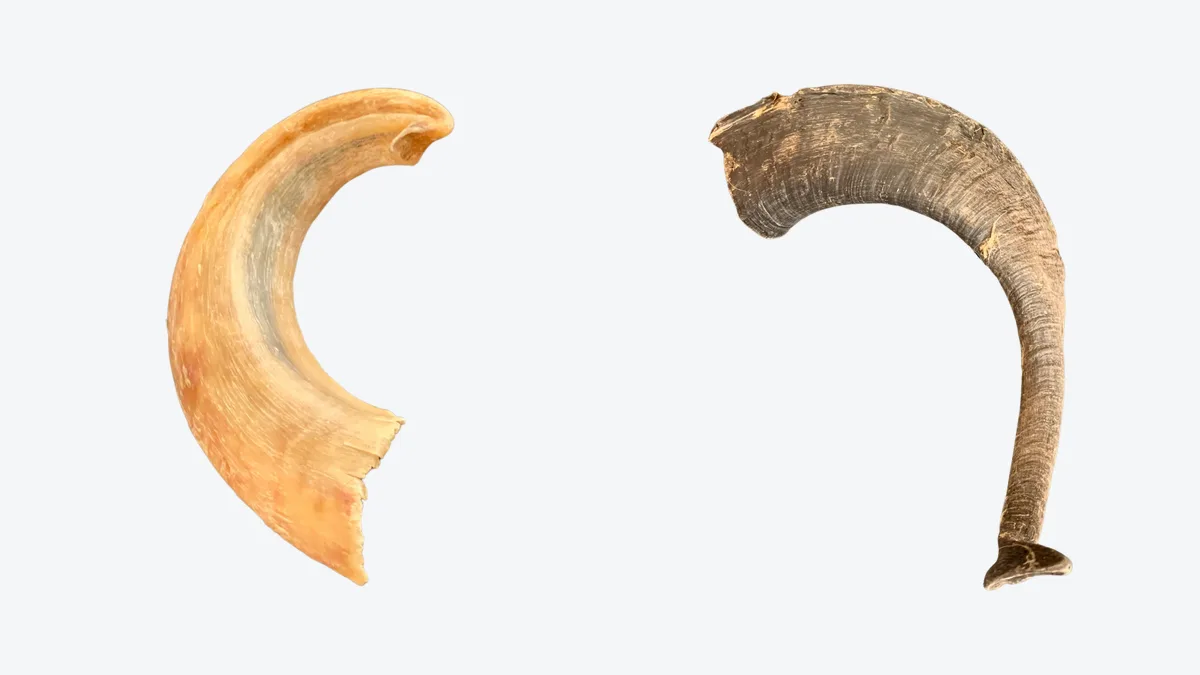
    Lamb horns come from sheep. Our current natural chew range lists them in three size grades (small, medium and large), plus a separate lamb horn marrow item. Goat horns come from goats and are listed as a single item. Beef horn also appears in the range, but it is a different product for a different customer, so this guide stays with lamb and goat. The full range is on our natural chews page, and the wider category is explained in our guide to the types of natural dog chews.

    Lamb horns vs goat horns: side by side

    The table below describes general differences between the two product types. Exact size, weight and hardness vary by animal, cut and drying method, so treat it as a starting point and confirm everything with samples.

    PointLamb hornGoat horn
    AnimalSheepGoat
    Size options in our rangeSmall, medium, largeOne listing
    Typical shapeVaries by animal and cut; confirm with samplesVaries by animal and cut; confirm with samples
    VariantsMarrow version availableNo marrow version listed
    Typical shelf fitVaries by animal and cut; confirm with samplesVaries by animal and cut; confirm with samples
    MerchandisingThree sizes let you price by sizeOne item is simpler to stock and explain
    Documents for importSame as other animal-origin chewsSame as other animal-origin chews

    Two takeaways. First, the main commercial difference is the size ladder: lamb horns let you offer small, medium and large under one name, while goat horn is one product. Second, the import side is the same, so the choice should be driven by your customers, not by paperwork.

    How do hardness and chew time compare?

    Chew time depends on the dog, the size of the piece and how the horn was dried, so no supplier can promise a number. What you can do is ask for samples in the sizes you plan to sell and test them with your own customers or panel before you commit to a first order.

    Hardness deserves its own line in the specification. Horn is a hard material, and some veterinary sources advise caution with very hard chews in general. Chewport does not give veterinary advice. As a buyer, the practical steps are to ask the supplier how the piece was dried and cut, to choose sizes suited to the dogs you sell to, and to follow your own legal and veterinary advisers on pack wording such as supervision statements.

    What should you specify before ordering either one?

    A clear brief prevents most disputes later. Put these items in writing:

    • Animal and product name exactly as listed (for example “Lamb Horn Medium”).
    • Size grade or cut length, and how it is measured.
    • Whether the horn is natural or has any treatment, and whether anything is added. Single ingredient should mean exactly that.
    • Packing: bulk carton, or retail bags. Our range ships bulk or packed under your brand in retail bags from 100 g to 1 kg.
    • Count or weight per unit, because horns are sold by piece in some channels and by weight in others.
    • Odor and appearance limits, so a sample can be accepted or rejected against a standard.
    • Lot coding on each carton.

    Our guide to vetting a dog treat supplier lists the document and testing questions that apply to every chew, and the page on minimum order quantity explains how first orders are usually structured.

    Which documents apply when you import horn chews?

    Animal-origin chews usually need a matching set of paperwork: the producing facility is registered with the FDA, each shipment has an FDA Prior Notice, and many animal-origin products need a USDA APHIS import permit with a veterinary health certificate. The retail label also has to meet FDA and state rules. The detail depends on the exact product and its origin, so confirm it for your own shipment. Our FDA requirements overview and the step-by-step import guide walk through the order of steps.

    Lamb and goat horns follow the same path as other chews, so you do not need a separate process for each.

    Which one should you stock?

    If you build a range with small, medium and large options, lamb horns give you a ladder to price against. If you want one distinct large chew with a simple story, goat horn is easier to explain. Some pet stores carry both so shoppers can compare. Retailers building a first assortment can read our guide to wholesale dog treats for pet stores.

    If you are unsure, order samples of both in the sizes you would sell and compare them side by side.

    Frequently asked questions

    Are horn chews safe for dogs?

    Safety depends on the dog, the size of the piece and how it is used, and Chewport cannot give veterinary advice. Horn is a hard material, so buyers should choose sizes carefully, ask the supplier about drying and cutting, and let customers know to speak to their vet if they are unsure.

    Can puppies have lamb horns?

    Puppies have developing teeth and different chewing habits, so this is a question for a veterinarian. As a seller, avoid marketing a hard chew to puppy owners unless your own advisers have approved the wording.

    What is the difference between sheep horns and lamb horns for dogs?

    In the pet chew trade the two names are often used for the same product, a horn from a sheep. Make sure your specification names the animal and the size grade so a supplier and a buyer mean the same thing.

    Can I buy goat horns for dogs in bulk?

    Yes, goat horn is listed in our natural chew range and can be supplied bulk or packed under your brand in 100 g to 1 kg bags. Minimum quantities and pricing are agreed per order, so request a quote through our contact page.

    Request samples

    If you are comparing lamb and goat horns for a range, send us the sizes, pack format and target market and we will advise on what fits. Contact Chewport to request a quote and samples.

    Planning an order?

    Tell us the products, sizes and packing you need. We reply with specs and pricing.

    Request a quote
    Chewport

    The US-facing pet line of Export Partners LLC. Wholesale and private-label functional chews, natural dog chews and freeze-dried treats, sourced in Turkiye with FDA and USDA compliance handled on the supplier side.
    Company

    Export Partners LLC ↗ info@chewport.com +1 210 756 2033 San Antonio, Texas 78228, USA Amazon SPN Verified Service Provider
    © 2026 Chewport — part of Export Partners LLC, San Antonio, TX. All rights reserved.
  • Odor-Free Bully Sticks Wholesale: What Low Odor Really Means

    Odor-Free Bully Sticks Wholesale: What Low Odor Really Means

    Wholesale & private-label · US company · Supply chain outside China · FDA & USDA documentationPart of Export Partners LLC ↗
    Buyer guide

    Odor-Free Bully Sticks Wholesale: What Low Odor Really Means

    Odor is one of the first things US customers notice about a bully stick. Here is why bully sticks smell, how odor is reduced, and what to specify when you buy low-odor sticks wholesale.

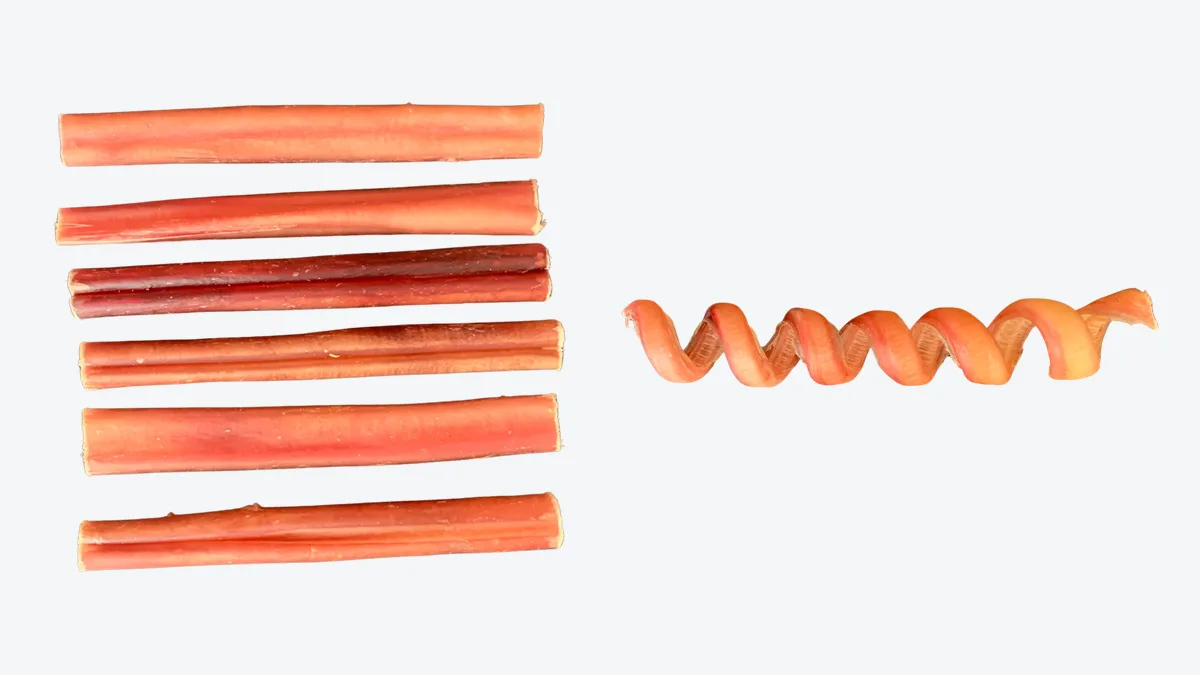
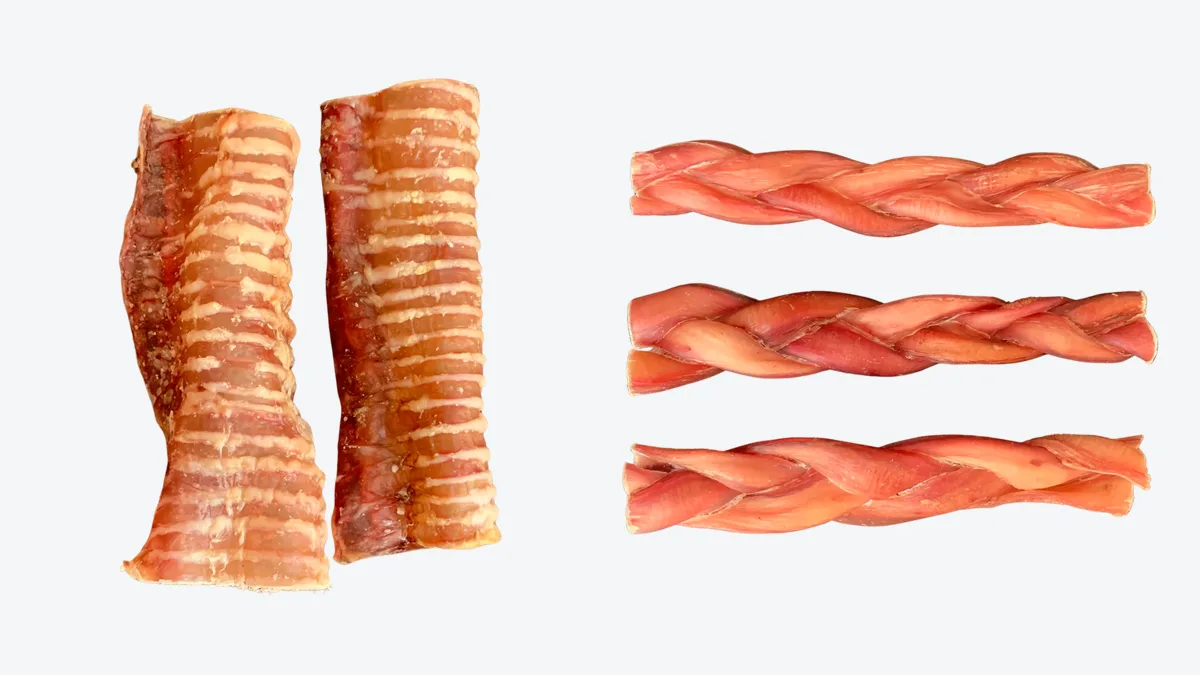
    Straight and twisted bully sticks prepared for low-odor wholesale orders

    Odor-free bully sticks are one of the most requested formats in the US, and several brands build their whole positioning around them. For a wholesale buyer, the important point is that odor is a result of process, not a separate product. Understanding where the smell comes from makes it much easier to specify and test.

    This guide covers why bully sticks smell, what odor-free and low-odor really mean, what to write in your specification and how to evaluate samples.

    Why do bully sticks smell?

    A bully stick is dried beef pizzle. The smell comes mainly from residues left in the raw material and from moisture that stays in the stick after drying. When cleaning is incomplete or drying stops early, the odor is stronger, and it can increase when sticks are sealed in a bag and warmed during transport.

    What does odor-free actually mean?

    There is no regulated definition. In practice, odor-free and low-odor bully sticks are processed to reduce the smell through more thorough cleaning and longer, more controlled drying. Some natural odor usually remains, so it is safer for a brand to describe them as low odor or odor reduced rather than odorless.

    How odor is reduced in processing

    StepWhat it changesWhat to ask the supplier
    CleaningRemoves residues that cause most of the smellHow the raw pizzle is cleaned and rinsed
    Drying time and temperatureLowers moisture, which lowers odorDrying method and the moisture target
    Cooling and packingAvoids trapped moisture in bagsHow long sticks cool before packing
    StorageHeat and humidity bring odor backCarton type and storage conditions

    What to put in the specification

    Write odor into the specification together with the points that drive it: a maximum moisture level, the drying method, length and thickness grade, and packing. Many buyers set the moisture limit in the low teens as a percentage; agree the exact figure with your supplier and your testing lab. Also agree on how samples will be judged, so both sides use the same test.

    How to test samples for odor

    Judge odor the way your customer will experience it. Seal a few sticks in the retail bag, keep them at room temperature for several days, then open the bag and compare with a reference sample. Repeat with sticks from different lots. A stick that smells mild when fresh can smell stronger after it has been sealed.

    Does low odor change price?

    Often yes. Extra cleaning and longer drying take time and reduce yield, and drier sticks weigh less. Compare offers on the same basis: length, thickness grade, weight range per piece and moisture target.

    Odor and safety are separate checks

    A low-odor stick still needs the same safety testing as any bully stick, including Salmonella on finished product for each lot. Our wholesale bully sticks guide covers testing and documents, and our comparison of collagen sticks vs bully sticks looks at a naturally milder alternative.

    Import documents

    Odor-reduced or not, bully sticks are an animal-origin product and follow the US import route of USDA APHIS requirements, FDA facility registration and Prior Notice. See our compliance and logistics page.

    Packing and private label options

    Natural chews such as low-odor bully sticks are usually bought in two ways: bulk cartons for repacking or retail-ready bags under the buyer’s own brand. Chewport ships either way, with retail bags in 100g, 250g, 500g and 1 kg sizes. Cut length, bag format and artwork are set per order, and the US label is reviewed before printing. Our private label dog treats guide walks through the steps.

    Questions to ask a supplier before the first order

    • Which facility produces the product, and is it registered with the FDA?
    • How is the raw material cleaned and dried, and what is the moisture target?
    • Which test reports travel with each lot, and is Salmonella tested on finished product?
    • What weight range or count per kilogram is guaranteed, and how are off-spec pieces handled?
    • Who prepares the USDA APHIS documents, the veterinary certificate and FDA Prior Notice?
    • Can you send samples from a production lot rather than a hand-picked batch?

    Our guide on how to vet a dog treat supplier covers each of these points in more depth.

    Working with Chewport

    Chewport supplies bully sticks from partner facilities in Turkiye. Send your odor expectation, moisture target, sizes and packing with your quote request, and we will discuss it with the facility and arrange samples you can test the way your customers will.

    Frequently asked questions

    Why do bully sticks smell so bad?

    Mostly because of residues left in the raw material and moisture remaining after drying. Better cleaning and longer drying reduce the smell.

    Are odor-free bully sticks completely odorless?

    Usually not. They are processed to reduce odor, but some natural smell remains. Low odor or odor reduced is the more accurate description.

    Can odor-free bully sticks be bought in bulk?

    Yes. Specify the odor expectation, moisture target, sizes and packing in the order, and test sealed samples before the first shipment.

    Why do some bully sticks smell like urine?

    That smell usually points to incomplete cleaning of the raw pizzle. It is a process issue to raise with the supplier.

    How is bully stick odor reduced without chemicals?

    Through cleaning and longer, controlled drying or baking, not through coatings or masking agents. If a supplier sells sticks as odor-free, ask for the process description and confirm that no fragrance or masking agent is added.

    Can bully sticks stain carpets?

    A bully stick softens as it is chewed and can leave marks on light carpets and fabrics, more so when the stick carries more moisture. Drier, well-cleaned sticks leave fewer marks, and many brands suggest giving chews on a hard floor or a mat.

    Looking for low-odor bully sticks?

    Send your odor and moisture targets, sizes and volumes, and we will come back with a quote and samples.

    Request a quote
    Chewport

    The US-facing pet line of Export Partners LLC. Wholesale and private-label functional chews, natural dog chews and freeze-dried treats, sourced in Turkiye with FDA and USDA compliance handled on the supplier side.
    Company

    Export Partners LLC ↗ info@chewport.com +1 210 756 2033 San Antonio, Texas 78228, USA Amazon SPN Verified Service Provider
    © 2026 Chewport — part of Export Partners LLC, San Antonio, TX. All rights reserved.
  • Cow Ears vs Pig Ears for Dogs: What Wholesale Buyers Should Know

    Cow Ears vs Pig Ears for Dogs: What Wholesale Buyers Should Know

    Wholesale & private-label · US company · Supply chain outside China · FDA & USDA documentationPart of Export Partners LLC ↗
    Product comparison

    Cow Ears vs Pig Ears for Dogs: What Wholesale Buyers Should Know

    Ears are an entry chew in almost every US pet store. Cow ears and pig ears look similar on the shelf, but they differ in fat, chew time and safety history.

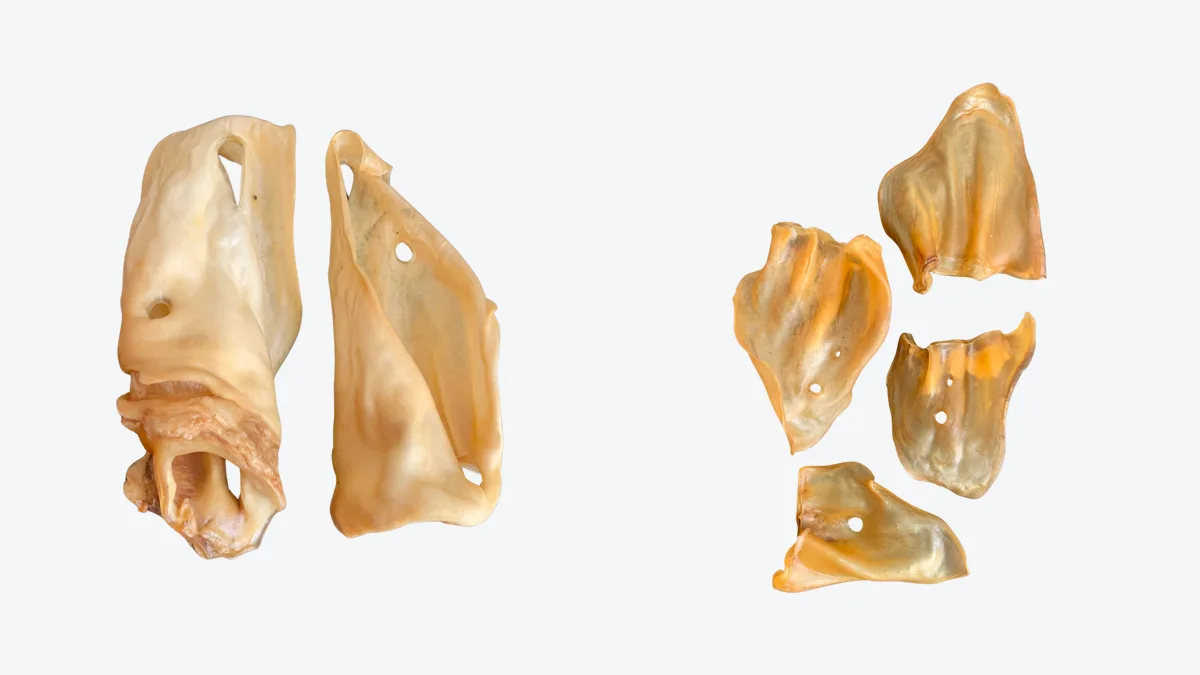
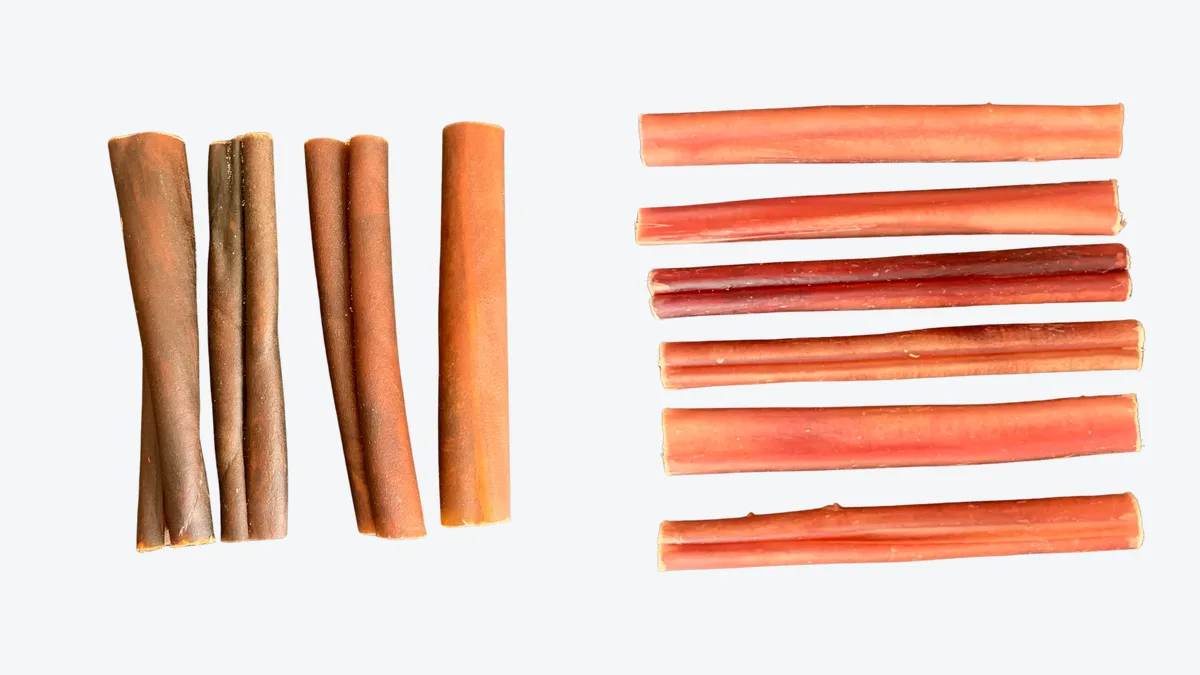
    Natural dried beef ears for dogs, whole and cut

    Cow ears vs pig ears is a question both dog owners and retail buyers ask. Ears are light, affordable chews that sell in high volumes, so the choice between the two shapes a large part of a natural chew range. This guide compares them on the points that matter for wholesale: fat content, chew time, safety record, consistency and import paperwork.

    One note up front: Chewport supplies beef (cow) ears, not pig ears. We have kept the comparison factual so you can use it whichever way you buy.

    What are cow ears?

    Cow ears are dried beef ears, sold whole, flat, with hair or without hair, or cut into strips. They are a single-ingredient chew, usually firmer and thinner than pig ears, and they suit a wide range of dog sizes.

    What are pig ears?

    Pig ears are dried or smoked pork ears. They are popular and widely available, and they tend to be thicker and fattier than cow ears, which gives them a strong aroma that many dogs like.

    Cow ears vs pig ears: side by side

    PointCow earsPig ears
    Fat levelGenerally lowerGenerally higher
    TextureThinner, firmerThicker, can feel greasy
    Chew timeShort to mediumShort to medium
    VariantsWhole, flat, with hair, without hair, stripsWhole, strips, smoked
    Safety historyNo major US recall waveLinked to a multistate Salmonella outbreak in 2019

    Fat content and why buyers care

    Pig ears usually carry more fat than cow ears. For brands that market light or low-fat chews, cow ears fit the story better. Exact values vary by product and processing, so use your supplier’s analysis rather than general figures on the label.

    Safety record: the 2019 pig ear outbreak

    In 2019, the CDC and FDA investigated a multistate Salmonella outbreak linked to pig ear dog treats, and several products were recalled. The lesson for any ear chew, cow or pig, is the same: buy from a facility with a kill step in processing, and require Salmonella testing on finished product for each lot. Our guide to FDA requirements for dog treats covers what US rules expect.

    With hair or without hair?

    Cow ears with hair are sold as a natural fiber option; ears without hair look cleaner on the shelf and are easier to pack. Both are single-ingredient. Decide based on your customer and agree on the variant in the specification so lots stay consistent.

    Sizing and consistency

    Ears vary naturally in size. For wholesale, agree on a weight range per piece or a count per kilogram, and decide whether small and broken pieces are sold as strips or excluded. That keeps retail bags uniform. For other light chews in the same price band, see our overview of types of natural dog chews.

    Import documents

    Both are animal-origin products and need the same type of paperwork for US import: USDA APHIS requirements, FDA facility registration and Prior Notice for each shipment. Read more on our USDA APHIS import permit guide.

    Packing and private label options

    Natural chews such as beef ears are usually bought in two ways: bulk cartons for repacking or retail-ready bags under the buyer’s own brand. Chewport ships either way, with retail bags in 100g, 250g, 500g and 1 kg sizes. Cut length, bag format and artwork are set per order, and the US label is reviewed before printing. Our private label dog treats guide walks through the steps.

    Questions to ask a supplier before the first order

    • Which facility produces the product, and is it registered with the FDA?
    • How is the raw material cleaned and dried, and what is the moisture target?
    • Which test reports travel with each lot, and is Salmonella tested on finished product?
    • What weight range or count per kilogram is guaranteed, and how are off-spec pieces handled?
    • Who prepares the USDA APHIS documents, the veterinary certificate and FDA Prior Notice?
    • Can you send samples from a production lot rather than a hand-picked batch?

    Our guide on how to vet a dog treat supplier covers each of these points in more depth.

    Which should you stock?

    If your range leans toward lower fat and a clean single-ingredient story, cow ears are the easier fit. Pig ears remain popular for their aroma, but they call for close attention to testing. Chewport supplies beef ears, natural and flat, with and without hair, from partner facilities in Turkiye, with samples and the document pack available to qualified buyers.

    Frequently asked questions

    Are cow ears or pig ears better for dogs?

    Cow ears are usually lower in fat and firmer; pig ears are fattier with a stronger aroma. The better choice depends on the dog and on the story your brand tells.

    Are cow ears safe for dogs?

    They are a common single-ingredient chew. As with any chew, size it to the dog, supervise, and buy lots that come with Salmonella test results.

    Are cow ears suitable for puppies?

    Many brands sell cow ears for puppies because they are thinner. Age and size guidance on the label is the brand’s decision and should follow veterinary advice.

    Are beef ears and cow ears the same thing?

    Yes. Beef ears and cow ears are two names for the same product.

    Adding beef ears to your range?

    Tell us the variant, size range and volume, and we will send a quote and samples.

    Request a quote
    Chewport

    The US-facing pet line of Export Partners LLC. Wholesale and private-label functional chews, natural dog chews and freeze-dried treats, sourced in Turkiye with FDA and USDA compliance handled on the supplier side.
    Company

    Export Partners LLC ↗ info@chewport.com +1 210 756 2033 San Antonio, Texas 78228, USA Amazon SPN Verified Service Provider
    © 2026 Chewport — part of Export Partners LLC, San Antonio, TX. All rights reserved.
  • Beef Trachea vs Bully Sticks: Which Chew Fits Your Range?

    Beef Trachea vs Bully Sticks: Which Chew Fits Your Range?

    Wholesale & private-label · US company · Supply chain outside China · FDA & USDA documentationPart of Export Partners LLC ↗
    Product comparison

    Beef Trachea vs Bully Sticks: Which Chew Fits Your Range?

    Beef trachea is a lighter, crunchier chew with natural cartilage. Bully sticks are dense and long-lasting. Here is how they compare for a wholesale range.

    Dried beef trachea chews beside braided bully sticks

    Beef trachea vs bully sticks is a useful comparison because the two chews sit at different points of the same natural range. Trachea is hollow, ribbed and crunchy; a bully stick is solid and dense. Buyers often stock both, at different price points, for different chewing styles.

    This guide compares them on chew time, texture, cartilage, odor, price and specification, so you can decide how each fits your shelf.

    What is beef trachea?

    Beef trachea is the dried windpipe of cattle, a tube of cartilage rings and connective tissue. It is sold whole, cut into rings or stuffed. Because it is hollow, it is lighter and breaks down faster than a bully stick. It naturally contains cartilage, which is a source of glucosamine and chondroitin; levels vary and should not be presented as a supplement claim.

    What is a bully stick?

    A bully stick is dried beef pizzle, a dense single-ingredient chew sold straight, braided or twisted. See our wholesale bully sticks guide for grades and sizing.

    Beef trachea vs bully sticks: side by side

    PointBeef tracheaBully sticks
    TextureHollow, ribbed, crunchySolid, dense
    Chew timeShort to mediumLong
    Natural cartilageYesNo
    OdorMild to moderateNatural odor, odor-reduced versions exist
    Typical priceLower per pieceHigher per piece
    FormatsWhole, rings, stuffedStraight, braided, twisted, bites

    Chew time and dog size

    Bully sticks last longer for strong chewers. Trachea suits moderate chewers and smaller dogs, and works well as a lighter daily chew. Matching chew time to dog size is what keeps reviews positive.

    Cartilage and the joint story

    Trachea is often marketed for its natural cartilage. If you put a joint-related message on the pack, keep it general and avoid disease or treatment claims; specific claims can change how US regulators view the product. For functional claims backed by added actives, look at our glucosamine and chondroitin chews guide.

    Price and margin

    Trachea usually costs less per piece than a bully stick of similar length, which makes it a good entry item next to premium sticks. Compare like for like: same length, weight range and packing.

    What to specify

    For trachea, agree on length or ring width, weight range, whether pieces are whole or cut, and moisture. For bully sticks, add thickness grade and odor expectation. For both, ask for lot-based test reports including Salmonella on finished product. Our page on odor-free bully sticks covers the odor part.

    Import documents

    Both are beef products of animal origin and follow the same US import route: USDA APHIS requirements, FDA facility registration and Prior Notice. Details are on our compliance and logistics page.

    Packing and private label options

    Natural chews such as trachea and bully sticks are usually bought in two ways: bulk cartons for repacking or retail-ready bags under the buyer’s own brand. Chewport ships either way, with retail bags in 100g, 250g, 500g and 1 kg sizes. Cut length, bag format and artwork are set per order, and the US label is reviewed before printing. Our private label dog treats guide walks through the steps.

    Questions to ask a supplier before the first order

    • Which facility produces the product, and is it registered with the FDA?
    • How is the raw material cleaned and dried, and what is the moisture target?
    • Which test reports travel with each lot, and is Salmonella tested on finished product?
    • What weight range or count per kilogram is guaranteed, and how are off-spec pieces handled?
    • Who prepares the USDA APHIS documents, the veterinary certificate and FDA Prior Notice?
    • Can you send samples from a production lot rather than a hand-picked batch?

    Our guide on how to vet a dog treat supplier covers each of these points in more depth.

    Which should you stock?

    Use bully sticks as the long-lasting premium chew and trachea as the lighter, lower-priced option with a cartilage story. Chewport supplies both beef trachea and bully sticks from partner facilities in Turkiye, with samples and the document pack available to qualified buyers.

    Frequently asked questions

    Is beef trachea good for dogs?

    It is a popular single-ingredient chew with natural cartilage. Size it to the dog and supervise chewing, as with any chew.

    Is beef trachea digestible?

    Trachea is a softer, hollow chew that most dogs break down more easily than dense chews. Individual dogs differ, so introduce it gradually.

    Does beef trachea last as long as a bully stick?

    Usually not. A bully stick is denser and lasts longer; trachea is a lighter chew for moderate chewers.

    Can puppies have beef trachea?

    Many brands sell trachea in small sizes for puppies. Label guidance on age should follow veterinary advice.

    Can chews from the neck area contain thyroid tissue?

    The FDA has reported cases of hyperthyroidism in dogs linked to foods and treats containing thyroid tissue, and some neck-area products such as gullet have been recalled. Ask the supplier how neck-area material is trimmed and inspected before drying.

    Building a range with trachea and bully sticks?

    Tell us formats, sizes and volumes, and we will send a quote and samples.

    Request a quote
    Chewport

    The US-facing pet line of Export Partners LLC. Wholesale and private-label functional chews, natural dog chews and freeze-dried treats, sourced in Turkiye with FDA and USDA compliance handled on the supplier side.

    Company

    Export Partners LLC ↗ info@chewport.com +1 210 756 2033 San Antonio, Texas 78228, USA Amazon SPN Verified Service Provider
    © 2026 Chewport — part of Export Partners LLC, San Antonio, TX. All rights reserved.
  • Collagen Sticks vs Bully Sticks: A Wholesale Buyer’s Comparison

    Collagen Sticks vs Bully Sticks: A Wholesale Buyer’s Comparison

    Wholesale & private-label · US company · Supply chain outside China · FDA & USDA documentationPart of Export Partners LLC ↗
    Product comparison

    Collagen Sticks vs Bully Sticks: A Wholesale Buyer’s Comparison

    Both are single-animal, beef-based chews that sell well in the US. They come from different raw materials, which changes odor, chew time, price stability and how you position them on the shelf.

    Beef collagen rolls next to straight bully sticks on a light background

    Collagen sticks vs bully sticks is one of the most common comparisons US dog owners search for, and it is a practical question for anyone building a natural chew range. A bully stick is dried beef pizzle. A collagen stick is made from the inner layer of beef hide, cleaned, rolled and dried. Both are long-lasting chews, but they behave differently in the bag, on the shelf and in the supply chain.

    This guide compares the two from a wholesale buyer’s point of view: what each product is, how they differ in odor and chew time, why their prices move differently, and what to specify when you order either one.

    What is a bully stick?

    A bully stick is a single-ingredient chew made from beef pizzle that is cleaned, shaped and dried or baked. It is sold straight, braided, twisted or cut into bites. Because each animal yields one pizzle, raw material supply is limited and price tends to follow cattle slaughter volumes. Our guide to wholesale bully sticks covers grades, sizing and testing in detail.

    What is a collagen stick?

    A collagen stick (also sold as a collagen roll) is made from the inner layer of beef hide, the corium, which is rich in collagen. The hide is cleaned, cut, rolled or twisted and dried. It is often marketed as an alternative to rawhide. Processing methods vary between suppliers, so ask how the hide is cleaned and dried rather than relying on the product name.

    Collagen sticks vs bully sticks: side by side

    PointBully sticksCollagen sticks
    Raw materialBeef pizzle, one per animalInner layer of beef hide
    Typical odorNatural odor, odor-reduced versions existUsually milder
    Chew timeLong, depends on thicknessLong, depends on roll density and diameter
    Price stabilityFollows limited pizzle supplyHide supply is larger, prices tend to move less
    Sizing consistencyNatural variation in thicknessEasier to cut and roll to a set diameter
    Shelf positionPremium, well-known nameRawhide alternative, value or mid range

    Which lasts longer?

    Chew time depends more on format than on the material name. A thick, tightly braided bully stick can outlast a loosely rolled collagen stick, and a dense collagen roll can outlast a thin straight bully stick. For a fair comparison, agree on diameter, length and weight per piece with your supplier and test samples with the dog sizes you are targeting.

    Odor: why collagen sticks are often milder

    Bully stick odor mostly comes from residues in the pizzle and from how far the drying goes. Hide-based collagen sticks start from a different tissue and are usually milder. If odor is a buying point for your customers, both products can be specified with odor in mind; our page on odor-free bully sticks explains what to ask for.

    Are collagen sticks the same as rawhide?

    Not exactly. Both come from beef hide, but rawhide traditionally uses the hide as a sheet and is often processed with additional treatments, while collagen sticks are usually marketed as made from the inner layer and rolled. Since the term is not regulated, the honest answer for a buyer is to ask for the process description and a specification sheet, and to keep any digestibility claims on the pack backed by data.

    Price: why the gap between the two can change

    Bully stick prices react to the availability of pizzle, which is tied to slaughter volumes and strong global demand. Collagen sticks use hide, a much larger raw material stream, so their price tends to be more predictable. Many retailers stock both: bully sticks as the premium item and collagen sticks to cover a lower price point without leaving the single-ingredient category.

    What to specify when ordering either one

    Put the same points in writing for both products: length and diameter or thickness grade, weight range per piece, moisture target, odor expectation, packing (bulk cartons or retail bags), and the test reports that travel with each lot. For a wider view of the category, see our overview of types of natural dog chews.

    Import documents are the same for both

    Both chews are of animal origin, so imports into the US generally need the same paperwork: USDA APHIS requirements for the animal-origin material, FDA facility registration for the producer and FDA Prior Notice for each shipment. Our compliance and logistics page explains who prepares each document.

    Packing and private label options

    Natural chews such as collagen sticks and bully sticks are usually bought in two ways: bulk cartons for repacking or retail-ready bags under the buyer’s own brand. Chewport ships either way, with retail bags in 100g, 250g, 500g and 1 kg sizes. Cut length, bag format and artwork are set per order, and the US label is reviewed before printing. Our private label dog treats guide walks through the steps.

    Questions to ask a supplier before the first order

    • Which facility produces the product, and is it registered with the FDA?
    • How is the raw material cleaned and dried, and what is the moisture target?
    • Which test reports travel with each lot, and is Salmonella tested on finished product?
    • What weight range or count per kilogram is guaranteed, and how are off-spec pieces handled?
    • Who prepares the USDA APHIS documents, the veterinary certificate and FDA Prior Notice?
    • Can you send samples from a production lot rather than a hand-picked batch?

    Our guide on how to vet a dog treat supplier covers each of these points in more depth.

    Which should you stock?

    If your customers ask for a well-known premium chew, bully sticks are the anchor. If you need a milder odor, a steadier price or a rawhide alternative, collagen sticks fill that slot. Most ranges benefit from both, sized for small, medium and large dogs. Chewport supplies bully sticks and beef collagen rolls from partner facilities in Turkiye, with samples and the document pack available to qualified buyers.

    Frequently asked questions

    Are collagen sticks or bully sticks better for dogs?

    Neither is better for every dog. Bully sticks are the classic premium chew; collagen sticks are usually milder in odor and steadier in price. The right choice depends on chew strength, size and what your customers prefer.

    Are collagen sticks the same as rawhide?

    Both come from beef hide, but collagen sticks are usually made from the inner layer and rolled, while rawhide is processed as a sheet. Ask your supplier for the exact process.

    Can puppies have collagen sticks or bully sticks?

    Many brands sell smaller sizes for puppies with supervision. Label guidance on age and size is the brand’s decision and should follow veterinary advice.

    Are collagen sticks safe for dogs?

    Like any chew, they should be sized to the dog and given with supervision. For wholesale, ask for lot-based test reports, including Salmonella on finished product.

    Comparing collagen sticks and bully sticks for your range?

    Tell us sizes and volumes for each, and we will send a quote and samples.

    Request a quote
    Chewport

    The US-facing pet line of Export Partners LLC. Wholesale and private-label functional chews, natural dog chews and freeze-dried treats, sourced in Turkiye with FDA and USDA compliance handled on the supplier side.

    Company

    Export Partners LLC ↗ info@chewport.com +1 210 756 2033 San Antonio, Texas 78228, USA Amazon SPN Verified Service Provider
    © 2026 Chewport — part of Export Partners LLC, San Antonio, TX. All rights reserved.
  • Wholesale Dog Treats for Pet Stores and Boutiques: What to Stock

    Wholesale Dog Treats for Pet Stores and Boutiques: What to Stock

    Wholesale & private-label · US company · Supply chain outside China · FDA & USDA documentationPart of Export Partners LLC ↗
    Retail guide

    Wholesale Dog Treats for Pet Stores and Boutiques: What to Stock

    Which natural chews, freeze-dried treats and soft chews to stock, and how to handle bulk bins, display packaging, labeling and reorders.

    Pet boutique owner restocking bulk bins of natural dog chews and treats

    Wholesale dog treats for pet stores are natural chews, freeze-dried treats and functional soft chews bought in bulk or in retail-ready packs for resale. For an independent pet store or boutique, the right mix sells steadily, fits the shelf and is easy to reorder.

    This guide looks at what to stock, how to choose between bulk bins and packed products, which packaging and labeling points matter at retail, and what to ask a wholesale supplier before the first order.

    Why do natural dog treats matter for pet stores?

    Shoppers who visit an independent pet store or boutique often look for products they do not find in a supermarket: single-ingredient chews, simple ingredient lists and treats for specific needs. Natural chews and freeze-dried treats fit that expectation and give staff a clear story to tell at the counter.

    Treats and chews are also repeat purchases. A dog that likes a chew tends to need another one soon, which makes this category a reason for regular visits.

    Which dog treat categories should a store stock?

    Most stores cover three broad categories, each serving a different moment in the day:

    CategoryExamplesRole in the store
    Natural chewsBully sticks, trachea, cheek rolls, ears, tendonsCore range, long-lasting chews, impulse singles
    Freeze-dried treatsSingle-protein meat, organ or fish piecesTraining rewards, meal toppers, premium shelf
    Functional soft chewsHip and joint, skin and coat, multivitamin chewsDaily routine purchase, repeat buyers

    A store does not need every product in every category. A focused selection with clear sizes and proteins is easier to explain and easier to reorder. Our guide to the types of natural dog chews covers texture and chewing time for each chew.

    What natural chews sell well in pet stores?

    Bully sticks are usually the anchor product because shoppers know the name and ask for it. Beyond that, stores often add one long-lasting chew for strong chewers, one or two lighter chews for small dogs and one alternative protein such as lamb or goat for dogs that do better without beef.

    Offering each chew in more than one size helps match dog size, and it makes the shelf easier to read. If bully sticks are your first item, see our guide to choosing a wholesale bully sticks supplier, and browse our natural chews range.

    Should you use bulk bins or packaged treats?

    Dog treat bulk bins for retail let shoppers pick single chews, which works well for impulse sales and for trying a new product. Packaged treats are easier to stock, carry full label information on every unit and suit shoppers who buy the same product every week.

    FormatStrengthsPoints to manage
    Bulk binsImpulse sales, single-piece trial, visual displayHygiene, lot tracking, labeling at the bin, moisture control
    Retail pouchesFull label on each unit, easy restocking, longer shelf presentationShelf space, pack sizes that match local demand
    Counter display cartonsPoint-of-sale visibility for single chewsDisplay space, reordering the right count

    Many stores combine formats: a bin or counter display for single bully sticks, and resealable pouches for freeze-dried treats and soft chews. Whatever the format, keep the lot number and best-before date traceable for every product on the floor.

    What packaging works best on a retail shelf?

    Retail packaging for dried chews and treats should protect against moisture and air, be easy to reseal where it makes sense and show the product clearly. Resealable stand-up pouches with a window are common for chews; freeze-dried treats depend on a good moisture and oxygen barrier.

    Display packaging, such as a shelf-ready tray or a counter box, can help single chews sell at the register. It also adds another packaging layer, so it is worth testing a product in standard packs first. Our guide on wholesale freeze-dried dog treats covers barrier packaging for that category.

    What labeling do treats need for resale?

    Dog chews for resale need a label that meets federal and state rules. That generally includes the product name with the exact species and part, an ingredient statement, a guaranteed analysis, the net quantity, the name and address of the responsible company and the country of origin. Many states also require pet food registration before products are sold there.

    When products are sold from bulk bins, the required information still has to be available to the shopper, for example on bin signage or on a bag label added at the counter. Our guides on dog treat label requirements and FDA requirements for dog treats cover the details.

    How should shelf life and storage be handled in the store?

    Natural chews are dried products, so the main risks in a store are moisture uptake, mold and breakage. Store cartons off the floor, away from heat and humid walls, and rotate stock by lot so older stock sells first.

    Ask the supplier which shelf life applies to which pack. A shelf life set for a sealed barrier pouch does not automatically apply to chews kept in an open bin. Match order sizes to how fast each product sells, so nothing sits on the shelf close to its best-before date.

    Can you order mixed pallets from one supplier?

    Smaller stores and boutiques rarely need a full pallet of one product. A mixed pallet or mixed shipment combines several products, such as bully sticks, freeze-dried treats and soft chews, into one delivery. This keeps the range broad without overstocking any single item.

    Ask whether each product on a mixed shipment comes with its own lot number, specification and documents. Test reports and certificates can be provided on request, and they should match the lot numbers printed on the cartons. Stores that buy through a distributor can ask the same questions of the distributor.

    How often should a store reorder?

    Reorder cadence depends on sell-through, storage space and shelf life. Fast-moving chews may need frequent smaller reorders, while slower items can be ordered less often. Tracking sales per product for the first weeks gives a realistic basis for the next order.

    Share your expected reorder pattern with the supplier. A supplier who knows when the next order is likely to come can plan production and shipments with you, which helps avoid gaps on the shelf. For imported products, also allow time for import steps; our guide on how to import dog treats into the USA explains them.

    What should you ask a pet store dog chew supplier?

    • Which products and sizes are available year-round?
    • Are products offered in bulk cartons, retail pouches and display formats?
    • Can several products be combined on one mixed shipment?
    • Which documents can be provided per lot, such as test reports and certificates?
    • What shelf life applies to each pack, and under which storage conditions?
    • Can samples be sent before the first order?

    If you are comparing natural pet treat distributors and direct suppliers, these questions make offers comparable. Our pages on freeze-dried treats and functional chews show the rest of our range.

    Frequently asked questions

    What wholesale dog treats should a new pet store stock first?

    Many stores start with a bully stick in a few sizes, one long-lasting chew, one or two lighter chews, a freeze-dried single-protein treat and one functional soft chew. Expand based on what sells.

    Are bulk bins a good idea for dog treats?

    They can work well for single chews and impulse sales. They need good hygiene, moisture control, lot tracking and label information available at the bin.

    Can boutiques buy small quantities wholesale?

    Often products can be combined into a mixed shipment so no single item is overstocked. Minimums vary by product and pack format, so ask the supplier.

    What documents should a dog treat supplier provide?

    Product specifications and lot test reports are standard, and certificates can be provided on request. Check that documents match the lot numbers on the cartons.

    Do pet stores need to register dog treats with the state?

    Many states require pet food and treat registration, usually by the company named on the label. Check the rules in each state where the products are sold.

    How should a store store natural dog chews?

    Keep them dry, off the floor and away from heat. Rotate by lot and keep products in packs suited to their stated shelf life.

    Stocking dog treats for your store?

    Tell us the products and formats you are considering, and we will send specifications and a quote.

    Request a quote
    Chewport

    The US-facing pet line of Export Partners LLC. Wholesale and private-label functional chews, natural dog chews and freeze-dried treats, sourced in Turkiye with FDA and USDA compliance handled on the supplier side.

    Company

    Export Partners LLC ↗ info@chewport.com +1 210 756 2033 San Antonio, Texas 78228, USA Amazon SPN Verified Service Provider
    © 2026 Chewport — part of Export Partners LLC, San Antonio, TX. All rights reserved.
  • Dog Treat MOQ: Minimum Order Quantities, Samples and Packaging

    Dog Treat MOQ: Minimum Order Quantities, Samples and Packaging

    Wholesale & private-label · US company · Supply chain outside China · FDA & USDA documentationPart of Export Partners LLC ↗
    Buying guide

    Dog Treat MOQ: Minimum Order Quantities, Samples and Packaging

    What sets the minimum order for private label dog treats and chews, and how to plan samples, packaging and a first order that stays manageable.

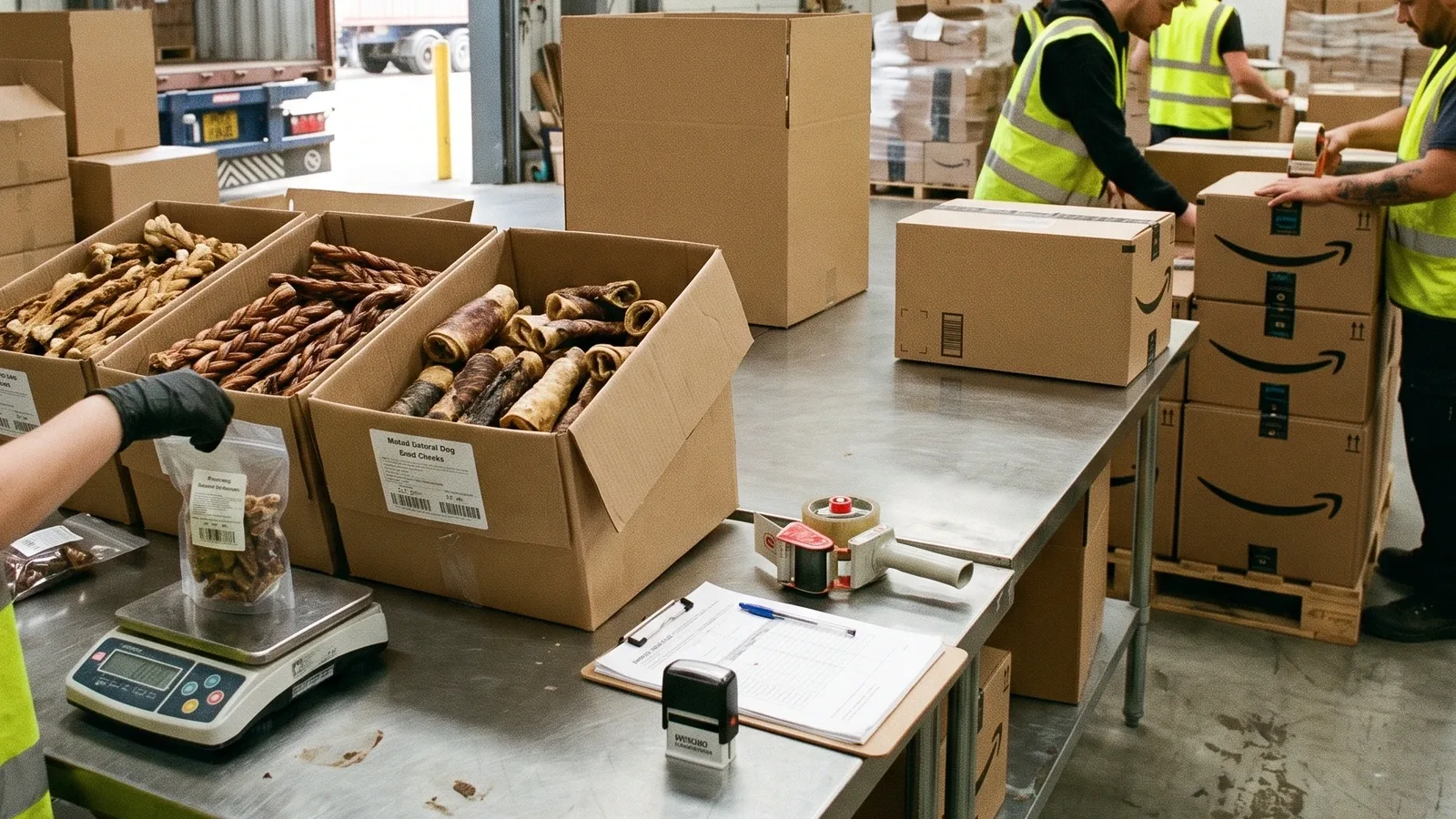
    Blank kraft pouches, packaging proofs and sample cartons laid out on a planning table

    Minimum order quantity, or MOQ, is the smallest order a supplier will accept for a product, a pack format or a production run. For dog treats and chews, the MOQ is rarely a single fixed figure. It depends on how the product is made, how it is packed and how many versions of it you want on the first order.

    This guide explains what drives MOQ for private label dog treats, how samples and packaging fit into the process, and how new brands, Amazon sellers and retailers can plan a first order that stays manageable.

    What does MOQ mean for dog treats and chews?

    For a dog treat supplier, MOQ usually applies at three levels at the same time: the product itself, the pack format and the printed packaging. A supplier may be able to produce a small quantity of bully sticks, for example, but still need a larger quantity for a custom printed pouch because the printer has its own minimum.

    When you compare quotes, check which of these levels each MOQ refers to.

    What drives the minimum order quantity?

    Most MOQ discussions come down to a few cost drivers that sit on the supplier side:

    • Production batch: drying, baking and freeze-drying run in batches, and a batch has a practical minimum size for the equipment
    • Raw material lots: natural chews depend on available raw material, which is bought and processed in lots
    • Packaging print runs: printed pouches, boxes and labels have their own minimums set by the printer
    • SKU count: every extra size, flavor or pack format adds setup, changeover and separate testing
    • Testing and documentation: lot testing and paperwork apply per lot, so very small lots carry the same fixed effort

    Instead of asking only for a lower MOQ, ask which driver sets the minimum for your order and whether a different pack or a shared format would change it.

    MOQ driverWhat sets itHow buyers often reduce it
    Production batchEquipment and drying or freeze-drying cycleChoose standard products and sizes already in production
    Raw material lotAvailability of the animal part or proteinPick year-round items for the first order
    Packaging print runPrinter minimums for pouches, boxes or labelsStart with stock pouches plus a printed label
    SKU countSetup, changeover and separate testing per SKULaunch fewer SKUs, add sizes after sell-through
    Testing and documentsPer-lot testing and export paperworkCombine SKUs into fewer lots and one shipment

    Can private label dog treats start with a low MOQ?

    Often yes, if the first order is built around flexibility. The most common way to keep a private label order small is to use the supplier’s standard products and sizes, a limited number of SKUs and a packaging route that does not require a large print run.

    A low MOQ start is usually a trade-off. Unit cost tends to be higher on small runs because fixed costs are spread over fewer units. Many brands accept that on the first order to test sell-through, then move to larger runs and fully printed packaging once demand is clearer. Our guide on working with a private label dog treats manufacturer covers the rest of that process.

    How do sample orders for dog chews work?

    A sample order is the step before any MOQ discussion becomes final. It lets you check size, texture, color, smell and how each product breaks or splinters before you commit to a production run.

    When you request samples, be specific about what you want to evaluate:

    • The exact products, sizes and species you plan to sell
    • Pieces from current production rather than hand-picked show samples, where possible
    • The draft specification for each item, so you can compare samples against it
    • Basic documentation, such as a recent test report, which can be provided on request

    Measure and weigh a set of pieces, take photos with a ruler in the frame and keep a few pieces sealed for a week to check smell and moisture. If you compare several suppliers, evaluate all samples the same way. Our overview of types of natural dog chews lists what to specify for each product.

    What are the options for custom dog treat packaging?

    Packaging is often the part of the order with the highest minimum, so it is worth choosing the route early. Common options include:

    Packaging routeTypical useMOQ impact
    Bulk cartons with linerRepacking in the US, bulk bins, food service style resaleLowest, no printed retail pack needed
    Stock pouch with printed labelFirst private label orders, test launchesLow to moderate, label print run only
    Fully printed custom pouchEstablished brands, Amazon listings, retail shelvesHigher, set by the pouch printer
    Printed box or display cartonRetail counters and gift setsHigher, set by the box printer

    Whatever the route, retail packs for dried chews and treats usually need a moisture and oxygen barrier, a reseal option where it fits the product, and space for all required label information. Freeze-dried products in particular depend on barrier packaging; see our page on freeze-dried treats for the product range.

    What is pet treat display packaging?

    Display packaging is the shelf-ready format retailers use to present treats at the counter or on a shelf: a printed carton that opens into a tray, a counter display box holding single chews, or a shipper that goes straight onto the floor. For pet stores and boutiques, display packaging can make single chews easier to sell as impulse items.

    Display formats add a second packaging layer, so they usually carry their own print minimum. If you are not sure a display will be used, test the product first in standard packs and add the display once a retail partner confirms the format.

    How does SKU count affect your first order?

    Every SKU is a separate product to produce, pack, label, test and track. Adding a second size of the same chew can be close to doubling the setup work, even if the total quantity stays the same.

    A focused first order, built around a small number of well-chosen products, usually reaches each SKU’s minimum more easily and gives clearer sell-through data. You can add sizes, flavors and bundles to the products that move fastest. Brands starting with natural chews often anchor the range on one bully stick format; our guide to choosing a wholesale bully sticks supplier explains how to specify it.

    How do labeling and compliance affect MOQ planning?

    Labels are part of the packaging run, so they need to be right before printing. A label correction after a print run means reprinting, and that cost is the same whether the order was large or small.

    Before you approve artwork, check the ingredient statement, guaranteed analysis, net quantity, the responsible company’s name and address and any state registration rules. Our article on dog treat label requirements walks through the AAFCO model points. For animal-origin chews, import paperwork such as the USDA APHIS import permit should be confirmed before production is scheduled, so the first lot is not held waiting for documents.

    How should you plan reorders after the first order?

    The first order sets the pattern for reorders. Track sell-through per SKU, note how long each product takes to sell and check shelf life against that pace. A product with a long shelf life gives more room for larger runs; a product with a shorter shelf life is often better reordered more often in smaller lots.

    Share your expected reorder cadence with the supplier early. When a supplier knows roughly when the next order will come, raw material and packaging can sometimes be planned across orders, which can make minimums easier to meet over time.

    What should you ask a dog treat supplier about MOQ?

    • Which level does the MOQ apply to: product, pack format or printed packaging?
    • Can several SKUs share one production lot or one shipment?
    • Is there a stock pouch or label option for the first order?
    • How are samples supplied, and do they come from current production?
    • Which documents can be provided per lot, such as test reports and certificates?
    • How does the unit price change as quantities increase?

    Clear answers to these questions make quotes comparable. If you are new to importing, our step-by-step guide on how to import dog treats into the USA explains the process from quote to delivery, and our compliance and logistics page covers how shipments are prepared.

    Frequently asked questions

    What is a typical MOQ for private label dog treats?

    There is no single typical figure. The minimum depends on the product, the production batch, the number of SKUs and the packaging route. Ask the supplier which of these sets the minimum for your order.

    Why is the packaging MOQ higher than the product MOQ?

    Printed pouches, boxes and labels are produced by printers that have their own minimum runs. Starting with a stock pouch and a printed label can lower that minimum for a first order.

    Can I order samples before committing to an MOQ?

    Yes, samples are the normal first step. They let you check size, texture and appearance against a draft specification before any production run is planned.

    Can different products be combined to reach a minimum?

    Often several SKUs can share one shipment, and sometimes one lot. Each SKU may still have its own minimum, so confirm this with the supplier.

    Does a smaller order cost more per unit?

    Usually yes, because setup, testing and documentation costs are spread over fewer units. Many brands accept this on a first order and move to larger runs later.

    Do I need custom display packaging for pet stores?

    Not always. Many products are first tested in standard packs or bulk formats, and a display carton is added once a retailer confirms it will be used.

    Planning a first private label order?

    Tell us the products, pack format and quantities you have in mind, and we will explain the minimums and send a quote.

    Request a quote
    Chewport

    The US-facing pet line of Export Partners LLC. Wholesale and private-label functional chews, natural dog chews and freeze-dried treats, sourced in Turkiye with FDA and USDA compliance handled on the supplier side.
    Company

    Export Partners LLC ↗ info@chewport.com +1 210 756 2033 San Antonio, Texas 78228, USA Amazon SPN Verified Service Provider
    © 2026 Chewport — part of Export Partners LLC, San Antonio, TX. All rights reserved.
  • How to Vet a Dog Treat Supplier: Samples, COAs and a Checklist

    How to Vet a Dog Treat Supplier: Samples, COAs and a Checklist

    Wholesale & private-label · US company · Supply chain outside China · FDA & USDA documentationPart of Export Partners LLC ↗
    Sourcing guide

    How to Vet a Dog Treat Supplier: Samples, COAs and a Checklist

    How US pet brands check a dog treat supplier before ordering: what to ask, how to judge samples and test reports, and a checklist to compare suppliers.

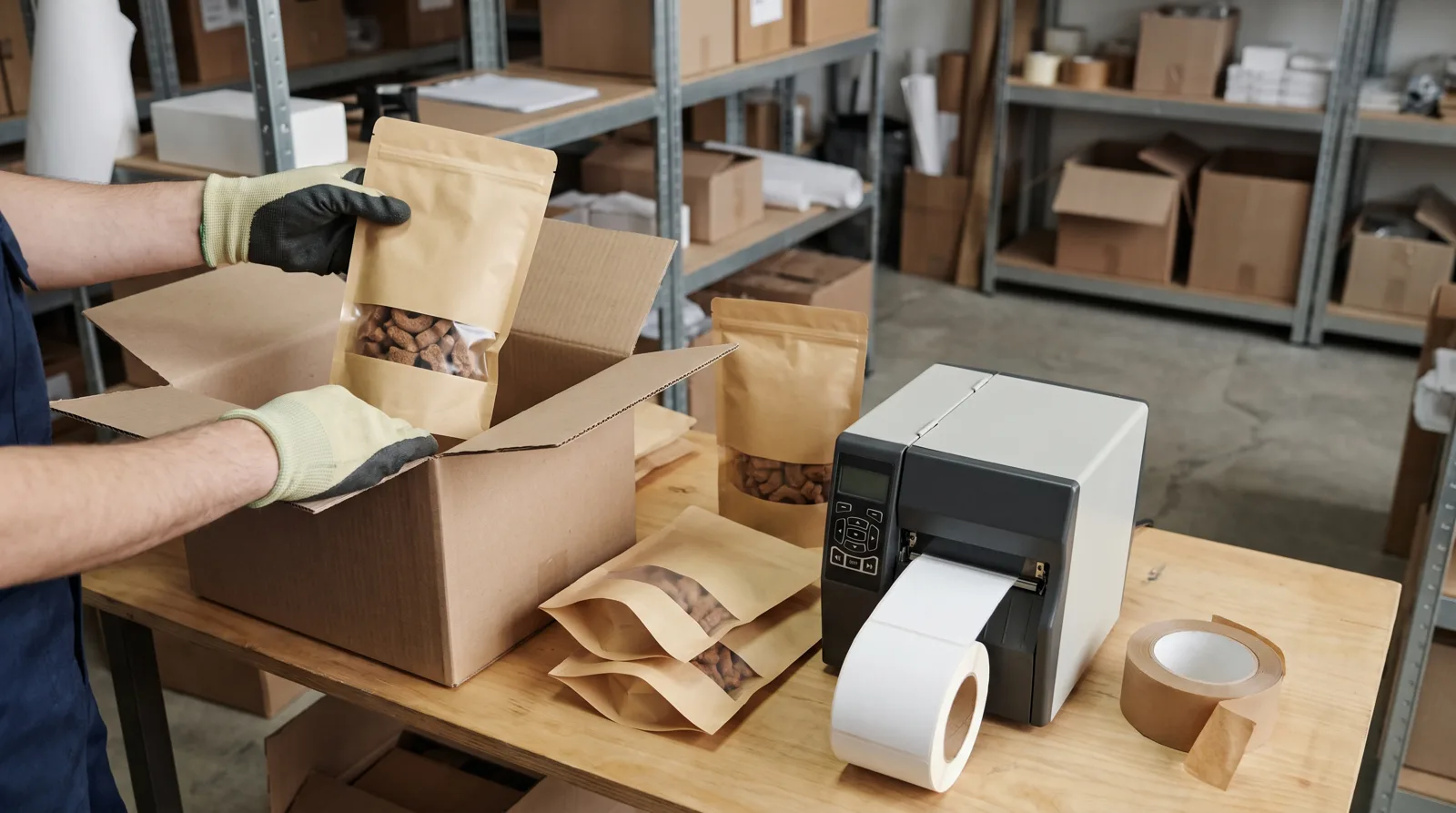
    Buyer inspecting a sample dog chew with an open sample box and spec sheet on the table

    Vetting a dog treat supplier means checking three things before you place an order: that the company actually makes or controls the product, that it can document safety and compliance, and that the product you receive will match the samples you approved. A good price is easy to find; a supplier that passes all three checks takes more work.

    This guide is for US pet brands, retailers and Amazon sellers comparing dog treat suppliers, whether they found them on a marketplace, at a trade show or through a sourcing agent. It ends with a checklist you can use for every supplier.

    Where do buyers find dog treat suppliers?

    Buyers usually find dog treat suppliers through B2B marketplaces, pet industry trade shows, industry directories, referrals and sourcing agents, or by contacting manufacturers directly from their websites. Each source gives you a list of names, not a vetted shortlist. The checks in this guide apply no matter where the first contact came from.

    Is Alibaba a good place to find dog treats?

    Alibaba and similar marketplaces list many dog treat sellers, and they are a quick way to see what products exist. The listings include manufacturers, trading companies and resellers, and it is not always clear which is which. Marketplace badges and verification labels describe what the platform checked, which may not cover food safety or US import requirements.

    If you use a marketplace, treat it as a starting point. Ask who makes the product, request the facility details, and run the same document and sample checks you would for any other supplier. A direct supplier that already ships to US buyers and can explain the import paperwork is often a practical alternative to sourcing dog chews on Alibaba.

    What should you ask a supplier before requesting samples?

    • Do you manufacture the product, or do you source it from another facility?
    • Is the facility registered with FDA, and can you share the registration details?
    • Which products have you shipped to the US, and what documents traveled with them?
    • For animal-origin chews, can you support a USDA APHIS import permit and provide a veterinary health certificate?
    • What pathogen testing do you run on finished product, and who performs it?
    • Can you produce to our specification and pack under our brand?
    • What are your minimum order quantities and lead times for our products?

    Clear, specific answers are a good sign. Vague answers, or answers that change between emails, are worth noting before you spend money on samples and courier fees.

    How should you evaluate dog treat samples?

    Evaluate samples against a written specification, not against a general impression. Measure and weigh a set of pieces, check color and surface, note the smell after the pack has been closed for a few days, and test how each piece breaks. Keep reference photos with a ruler in the frame. They become the standard every production lot is compared against.

    Ask whether the samples come from regular production or were prepared specially. Samples that are better than normal output lead to disappointment on the first order. For chews, our guide to types of natural dog chews lists the size and texture points to specify for each product.

    What should a certificate of analysis for dog treats show?

    A certificate of analysis (COA) for dog treats should identify the product and lot, name the laboratory, list each test with its method, and show the result against a limit or specification. A COA that cannot be linked to a lot number on the carton has limited value.

    COA elementWhat to look for
    Product and lot numberMatches the product name and the lot printed on cartons
    LaboratoryNamed lab, ideally accredited; ask whether it is independent
    Pathogen testsSalmonella at minimum; ask which other organisms are tested
    Moisture or water activityResult against the target agreed in the specification
    Nutrient valuesSupport the guaranteed analysis printed on the label
    Methods and datesTest method named, sampling and report dates stated

    If a supplier sends only a generic certificate with no lot number, ask for a lot-specific report or arrange your own test with an independent lab.

    Which documents should a reliable dog chew supplier provide?

    A reliable dog chew supplier should be able to provide, on request, the facility FDA registration details, a description of its food safety plan under the FSMA Preventive Controls for Animal Food rule, finished-product test reports, a product specification and, for animal-origin products, the veterinary health certificate needed for USDA APHIS. As the US importer, you also need information from the supplier to complete your Foreign Supplier Verification Program (FSVP).

    Our guides on FDA requirements for dog treats and the USDA APHIS import permit explain what each document is for. For the full sequence from supplier to US warehouse, see importing pet treats from an overseas manufacturer.

    How do you audit a dog treat supplier?

    A dog treat supplier audit can be done on site by your team, by a third-party auditing firm, or remotely through a video walk-through and document review. The aim is the same: confirm that the facility exists, that raw materials are traceable, that drying or cooking steps are controlled, and that finished product is tested and stored properly.

    An on-site or third-party audit gives the most confidence, especially before a large or long-term order. A remote review is a reasonable first step for smaller orders, as long as it includes live video of production areas and not only prepared photos. Ask the auditing firm or your own quality advisor which standard they will audit against.

    When does a pet treat sourcing agent help?

    A pet treat sourcing agent can help when you do not have time to screen suppliers, visit facilities or manage communication across time zones. A good agent shortlists suppliers, coordinates samples and follows production. Ask how the agent is paid, whether it receives commissions from suppliers, and whether you will deal directly with the manufacturer. You remain responsible for compliance as the brand owner and importer, so the document checks still apply.

    What red flags should you watch for?

    • The supplier cannot say which facility makes the product
    • Test reports have no lot numbers or no laboratory name
    • Answers about FDA registration or USDA paperwork are vague
    • Samples arrive very different from the photos or the specification
    • Prices are far below other quotes with no explanation
    • Pressure to pay in full before specifications and documents are agreed

    What does a dog treat supplier checklist look like?

    Use the same checklist for every supplier so you can compare them fairly.

    CheckDone when
    Manufacturer identifiedFacility name and address confirmed
    FDA registrationRegistration details provided
    Food safety planPreventive controls described or shared
    Lot-specific test reportsCOA linked to a lot number
    USDA APHIS supportHealth certificate process confirmed for animal-origin products
    Specification signedSize, weight, moisture, packing agreed in writing
    Samples approvedReference photos and measurements on file
    FSVP informationSupplier information needed by the importer provided
    Label reviewedLabel checked against AAFCO model and state rules

    Labeling deserves its own review; see our guide to dog treat label requirements. If bully sticks are on your list, our wholesale bully sticks supplier guide covers grading and testing in detail.

    Chewport works with partner facilities and can provide specifications, test reports and shipping documents on request. See how shipments are documented on our compliance and logistics page, or browse our natural chews.

    Frequently asked questions

    How do I find a dog treat manufacturer?

    Use marketplaces, trade shows, directories, referrals or sourcing agents to build a list, then vet each supplier with document checks, samples and a written specification.

    Is it safe to buy dog treats from Alibaba?

    It can work, but marketplace listings mix manufacturers and traders. Confirm the facility, its FDA registration and lot-specific test reports before ordering.

    What is a certificate of analysis for dog treats?

    A lab report for a specific production lot that lists tests, methods and results, such as Salmonella testing and moisture.

    Should I audit a dog treat supplier before ordering?

    An on-site or third-party audit is useful before large or long-term orders. A remote review with live video can be a first step for smaller orders.

    Do I need a sourcing agent to buy dog treats?

    Not necessarily. An agent can save time, but ask how it is paid and keep direct access to the manufacturer and its documents.

    What documents should a dog chew supplier provide?

    FDA registration details, food safety plan information, lot-specific test reports, a signed specification and, for animal-origin chews, the veterinary health certificate for USDA APHIS.

    Where are natural dog chews sourced?

    US brands name different origins, such as Brazil, Argentina and the US, and some state which countries they avoid. For a buyer, the facility matters as much as the country: FDA registration, USDA APHIS eligibility and lot testing. Chewport works with partner facilities in Turkiye.

    What is SQF certification?

    SQF (Safe Quality Food) is a food safety certification benchmarked by the Global Food Safety Initiative. Many US retailers ask suppliers for a GFSI-recognized scheme such as SQF, BRCGS or FSSC 22000, so ask a supplier which scheme its facility holds.

    Comparing dog treat suppliers?

    Tell us the products you need, and we will send specifications, sample documents and a quote.

    Request a quote
    Chewport

    The US-facing pet line of Export Partners LLC. Wholesale and private-label functional chews, natural dog chews and freeze-dried treats, sourced in Turkiye with FDA and USDA compliance handled on the supplier side.
    Company

    Export Partners LLC ↗ info@chewport.com +1 210 756 2033 San Antonio, Texas 78228, USA Amazon SPN Verified Service Provider
    © 2026 Chewport — part of Export Partners LLC, San Antonio, TX. All rights reserved.
  • Selling Dog Treats on Amazon: Approval, Labels and FBA Prep

    Selling Dog Treats on Amazon: Approval, Labels and FBA Prep

    Wholesale & private-label · US company · Supply chain outside China · FDA & USDA documentationPart of Export Partners LLC ↗
    Amazon guide

    Selling Dog Treats on Amazon: Approval, Labels and FBA Prep

    What new private label brands should check before listing dog treats on Amazon, from category approval and labels to FBA expiration dates.

    Wholesale cartons of natural dog chews being repacked into Amazon shipping boxes at a US prep warehouse

    Selling dog treats on Amazon is open to new private label brands, but the category carries more paperwork than most consumer products. Dog treats are animal food, they have expiration dates, and some products may trigger extra review. Brands that prepare documents, labels and packaging before the first shipment usually avoid the delays that catch others.

    This guide covers what to check before you list, how private label dog treats are usually set up on Amazon, and how to prepare inventory for Fulfillment by Amazon (FBA).

    Can you sell dog treats on Amazon?

    Yes. Dog treats are sold on Amazon by large brands, small private label sellers and resellers. A seller needs a professional selling account, a product that meets US animal food rules, and listings that meet Amazon category and product safety policies. Your product must also be legal to sell in the states where it ships, which for pet food often means state registration.

    Does Amazon require approval for dog treats?

    Amazon may require approval or additional documents for some pet food and pet treat products, and the rules can change. Approval requirements can depend on the subcategory, the brand, the ingredients and any claims on the listing. Before you order inventory, search for your product type in Seller Central and use the “add a product” flow to see whether a listing limitation or approval request appears.

    If Amazon asks for documents, they commonly relate to product safety, labeling, invoices from your supplier and, for some products, test results. Having those ready in one folder makes any review faster.

    Which documents should you have ready?

    Not every item below will be requested, but each one is useful to keep on file for Amazon, for state regulators and for your own records.

    DocumentWhy it mattersWhere it comes from
    Supplier invoiceShows where the product was boughtYour manufacturer or distributor
    Product specificationDefines ingredients, size, moisture and packingAgreed with your supplier
    Certificate of analysis or test reportSupports safety, including pathogen testingSupplier or independent lab
    Label and packaging filesShows required label elementsYour design files
    FDA facility registration detailsConfirms the facility is registeredYour manufacturer
    State feed registration recordsShows the product may be sold in that stateState feed control offices
    Import entry documentsShow lawful entry for imported productsCustoms broker

    For products made abroad, the import side matters as much as the Amazon side. Our guide on how to import dog treats into the USA shows the steps in order.

    How should private label dog treats be set up on Amazon?

    Private label dog treats on Amazon usually follow the same path as other private label products: a brand name, a registered or pending trademark, Amazon Brand Registry, product barcodes, and a listing that you control. Brand Registry gives access to brand tools such as enhanced content and helps protect your listings from unauthorized changes.

    The product itself comes from a manufacturer producing to your specification. Our article on choosing a private label dog treats manufacturer covers specifications, samples and packaging. For chew products specifically, see our guide to working with a dog chews manufacturer.

    What label details matter for an Amazon listing?

    The physical label must meet US animal food rules first; Amazon listing content comes second. A typical dog treat label shows the product name, intended species, net quantity, guaranteed analysis, ingredient statement, the name and address of the responsible company and, for imports, country of origin. Many states follow AAFCO model regulations, so align your label with them. See our guide to dog treat label requirements.

    Keep the listing consistent with the label. If the bag says “beef pizzle” and the listing says “beef chew with chicken flavor”, a reviewer or a customer will notice the mismatch.

    Which dog chews sell well on Amazon?

    To see what sells, look at the Amazon Best Sellers lists for dog treats and dog chews and at the search suggestions for terms like “bully sticks” or “natural dog chews”. Long-lasting single-ingredient chews, such as bully sticks, cheek rolls and trachea, appear often, as do freeze-dried single-protein treats and functional soft chews for joints or skin.

    Popular does not mean easy. Busy categories have many sellers and strong price competition. A new brand usually does better with a clear angle, such as specific sizes, an odor-controlled product, a single protein or a bundle, than with a copy of the top listing. Our overview of types of natural dog chews can help you pick a starting range.

    How do you prepare dog treats for FBA?

    FBA prep for dog treats covers barcodes, packaging and expiration dates. Amazon has specific requirements for expiration-dated products, including how the date is printed on each unit and on the case, and how much shelf life must remain when inventory arrives. Check the current FBA requirements in Seller Central before you finalize packaging, because the date format and shelf life rules affect your print files and your shipping plan.

    Prep pointWhat to check
    Unit barcodeAmazon FNSKU or an accepted manufacturer barcode, scannable and not covered
    Expiration datePrinted on every unit and every case in the format Amazon requires
    PackagingSealed, durable bags; poly bags meet Amazon suffocation warning rules
    Case packSame product and same expiration date in each case, case labels applied
    Shelf lifeEnough remaining shelf life at check-in, per current FBA rules
    Fragile itemsThin chews such as ears or lung protected from breakage

    Ask your manufacturer to print expiration dates and lot numbers on every unit at packing. Adding stickers later in a US warehouse is possible but adds cost and handling.

    Hands packing pouches of dog treats into a shipping carton next to a label printer

    How does importing affect an Amazon launch?

    If your treats are made abroad, the shipment must clear US entry before it can reach Amazon. FDA requires Prior Notice before each food shipment arrives, the importer needs a Foreign Supplier Verification Program (FSVP) for most animal food, and animal-origin chews generally need USDA APHIS paperwork, often an import permit and a veterinary health certificate. Our guides on FDA requirements for dog treats and the USDA APHIS import permit explain both sides.

    Amazon does not act as importer of record. Plan for a customs broker and, in most cases, a US warehouse or prep center between the port and the FBA warehouse.

    What claims should you avoid in a dog treat listing?

    Avoid claims that a treat prevents, treats or cures a disease. For animal food, disease claims can lead regulators to treat the product as an unapproved drug, and Amazon may remove listings that make them. Describe what the product is: the ingredient, the texture, the size and how it is made. Functional soft chews need extra care; our article on dog supplement regulations covers how those claims are usually handled.

    What are common mistakes when selling dog treats on Amazon?

    • Ordering inventory before checking whether the product needs approval
    • Printing packaging without the expiration date format FBA expects
    • Listing claims that do not match the label
    • Skipping state feed registration for states where orders ship
    • Leaving no time for import clearance between production and the FBA check-in

    Chewport supplies natural chews, freeze-dried treats and functional chews for private label brands, and can provide specifications, test reports and shipping documents on request. Our compliance and logistics page explains how shipments are documented.

    Frequently asked questions

    Do you need approval to sell dog treats on Amazon?

    Amazon may require approval or documents for some pet food and treat products. Check your product type in Seller Central before ordering inventory.

    Can I sell private label dog treats on Amazon?

    Yes. Many sellers use a manufacturer, register a trademark, enroll in Brand Registry and list under their own brand.

    Do dog treats need an expiration date for FBA?

    Yes, they are treated as expiration-dated products. Check Seller Central for the current date format and remaining shelf life rules.

    What are the best selling dog chews on Amazon?

    The Best Sellers lists change often. Single-ingredient chews such as bully sticks and cheek rolls, freeze-dried treats and functional soft chews appear regularly.

    Do imported dog treats need extra documents for Amazon?

    Amazon may ask for invoices or safety documents, and US entry requires FDA Prior Notice, FSVP for the importer and, for animal-origin products, USDA APHIS paperwork.

    Can I make health claims in my dog treat listing?

    Avoid disease or treatment claims. Describe ingredients, texture and size instead, and review functional claims carefully.

    Launching dog treats on Amazon?

    Tell us your product list and FBA plans, and we will send specifications and a quote.

    Request a quote
    Chewport

    The US-facing pet line of Export Partners LLC. Wholesale and private-label functional chews, natural dog chews and freeze-dried treats, sourced in Turkiye with FDA and USDA compliance handled on the supplier side.

    Company

    Export Partners LLC ↗ info@chewport.com +1 210 756 2033 San Antonio, Texas 78228, USA Amazon SPN Verified Service Provider
    © 2026 Chewport — part of Export Partners LLC, San Antonio, TX. All rights reserved.