Cow Ears vs Pig Ears for Dogs: What Wholesale Buyers Should Know
Ears are an entry chew in almost every US pet store. Cow ears and pig ears look similar on the shelf, but they differ in fat, chew time and safety history.
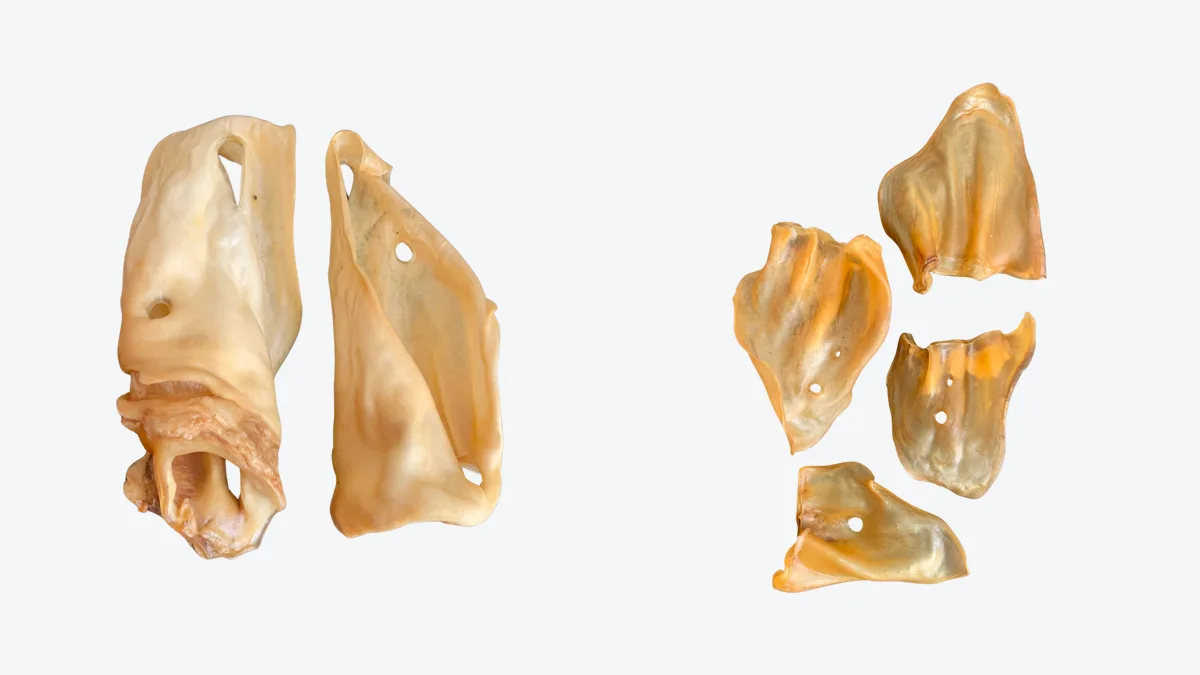
Cow ears vs pig ears is a question both dog owners and retail buyers ask. Ears are light, affordable chews that sell in high volumes, so the choice between the two shapes a large part of a natural chew range. This guide compares them on the points that matter for wholesale: fat content, chew time, safety record, consistency and import paperwork.
One note up front: Chewport supplies beef (cow) ears, not pig ears. We have kept the comparison factual so you can use it whichever way you buy.
What are cow ears?
Cow ears are dried beef ears, sold whole, flat, with hair or without hair, or cut into strips. They are a single-ingredient chew, usually firmer and thinner than pig ears, and they suit a wide range of dog sizes.
What are pig ears?
Pig ears are dried or smoked pork ears. They are popular and widely available, and they tend to be thicker and fattier than cow ears, which gives them a strong aroma that many dogs like.
Cow ears vs pig ears: side by side
| Point | Cow ears | Pig ears |
|---|---|---|
| Fat level | Generally lower | Generally higher |
| Texture | Thinner, firmer | Thicker, can feel greasy |
| Chew time | Short to medium | Short to medium |
| Variants | Whole, flat, with hair, without hair, strips | Whole, strips, smoked |
| Safety history | No major US recall wave | Linked to a multistate Salmonella outbreak in 2019 |
Fat content and why buyers care
Pig ears usually carry more fat than cow ears. For brands that market light or low-fat chews, cow ears fit the story better. Exact values vary by product and processing, so use your supplier’s analysis rather than general figures on the label.
Safety record: the 2019 pig ear outbreak
In 2019, the CDC and FDA investigated a multistate Salmonella outbreak linked to pig ear dog treats, and several products were recalled. The lesson for any ear chew, cow or pig, is the same: buy from a facility with a kill step in processing, and require Salmonella testing on finished product for each lot. Our guide to FDA requirements for dog treats covers what US rules expect.
With hair or without hair?
Cow ears with hair are sold as a natural fiber option; ears without hair look cleaner on the shelf and are easier to pack. Both are single-ingredient. Decide based on your customer and agree on the variant in the specification so lots stay consistent.
Sizing and consistency
Ears vary naturally in size. For wholesale, agree on a weight range per piece or a count per kilogram, and decide whether small and broken pieces are sold as strips or excluded. That keeps retail bags uniform. For other light chews in the same price band, see our overview of types of natural dog chews.
Import documents
Both are animal-origin products and need the same type of paperwork for US import: USDA APHIS requirements, FDA facility registration and Prior Notice for each shipment. Read more on our USDA APHIS import permit guide.
Packing and private label options
Natural chews such as beef ears are usually bought in two ways: bulk cartons for repacking or retail-ready bags under the buyer’s own brand. Chewport ships either way, with retail bags in 100g, 250g, 500g and 1 kg sizes. Cut length, bag format and artwork are set per order, and the US label is reviewed before printing. Our private label dog treats guide walks through the steps.
Questions to ask a supplier before the first order
- Which facility produces the product, and is it registered with the FDA?
- How is the raw material cleaned and dried, and what is the moisture target?
- Which test reports travel with each lot, and is Salmonella tested on finished product?
- What weight range or count per kilogram is guaranteed, and how are off-spec pieces handled?
- Who prepares the USDA APHIS documents, the veterinary certificate and FDA Prior Notice?
- Can you send samples from a production lot rather than a hand-picked batch?
Our guide on how to vet a dog treat supplier covers each of these points in more depth.
Which should you stock?
If your range leans toward lower fat and a clean single-ingredient story, cow ears are the easier fit. Pig ears remain popular for their aroma, but they call for close attention to testing. Chewport supplies beef ears, natural and flat, with and without hair, from partner facilities in Turkiye, with samples and the document pack available to qualified buyers.
Frequently asked questions
Are cow ears or pig ears better for dogs?
Cow ears are usually lower in fat and firmer; pig ears are fattier with a stronger aroma. The better choice depends on the dog and on the story your brand tells.
Are cow ears safe for dogs?
They are a common single-ingredient chew. As with any chew, size it to the dog, supervise, and buy lots that come with Salmonella test results.
Are cow ears suitable for puppies?
Many brands sell cow ears for puppies because they are thinner. Age and size guidance on the label is the brand’s decision and should follow veterinary advice.
Are beef ears and cow ears the same thing?
Yes. Beef ears and cow ears are two names for the same product.
Adding beef ears to your range?
Tell us the variant, size range and volume, and we will send a quote and samples.
Request a quoteThe US-facing pet line of Export Partners LLC. Wholesale and private-label functional chews, natural dog chews and freeze-dried treats, sourced in Turkiye with FDA and USDA compliance handled on the supplier side.
Leave a Reply