Dog Treat Label Requirements in the US: FDA and AAFCO Checklist
A compliant dog treat label is a short list of required elements. Missing one can stop a product at the border or on a retailer’s desk.
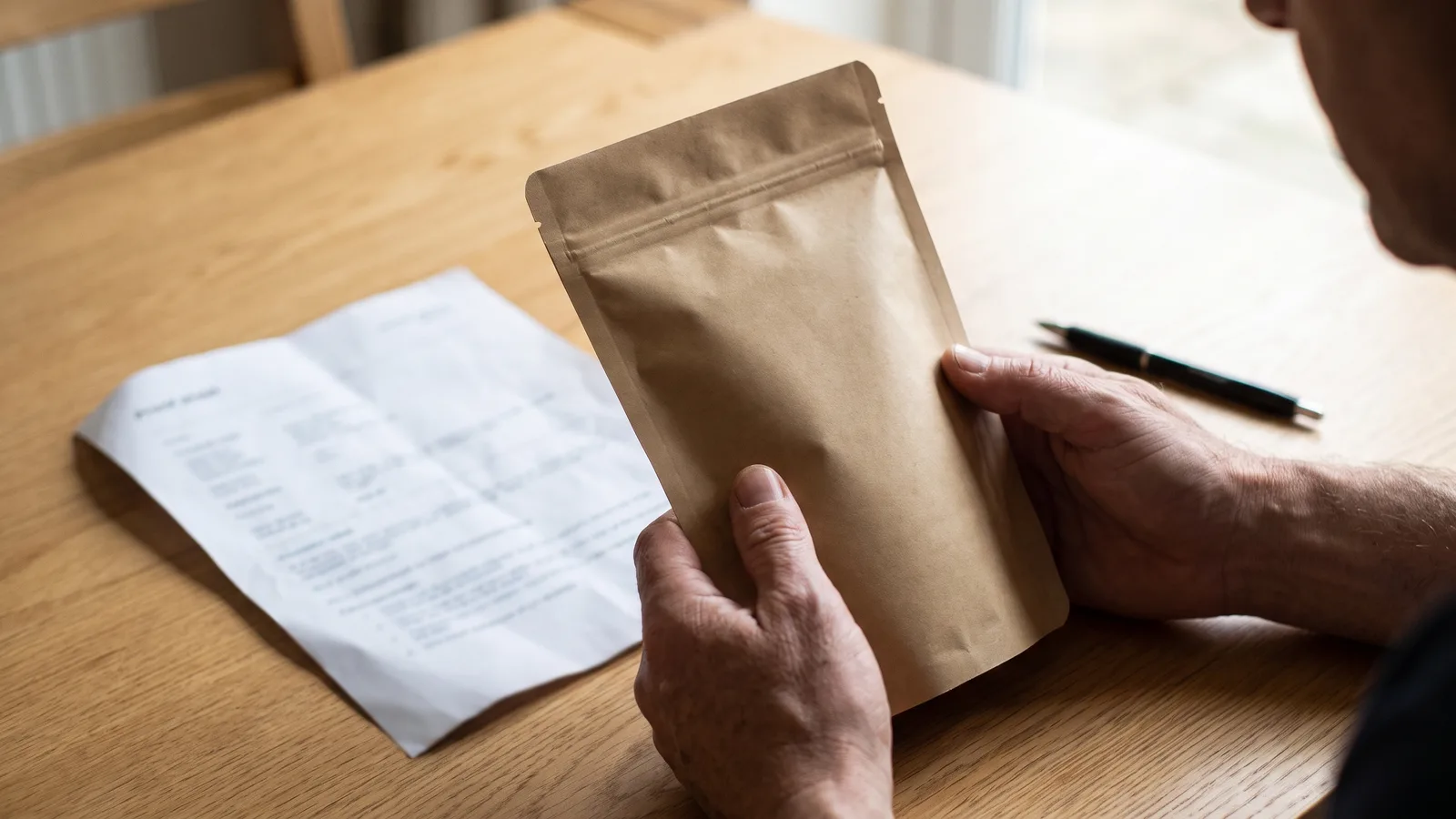
Dog treat label requirements in the US are the federal FDA labeling rules for animal food combined with the AAFCO model regulations that most states adopt. Together they define what must appear on a pet treat package: what the product is, who it is for, how much is inside, what it is made of and who stands behind it.
Who sets the rules
The FDA sets federal labeling requirements for animal food. AAFCO, the Association of American Feed Control Officials, publishes model regulations that states use for pet food and treat labels. In practice, a label built to AAFCO model regulations and FDA rules works across most states.
Enforcement at the point of sale is usually done by state feed control officials, and many states expect pet food and treat products to be registered before they are sold there. Some review the label as part of registration, so a clean label speeds up market entry state by state. The federal side of treat compliance is covered in our FDA requirements guide for dog treats.
The core label elements
- Product name, which must not mislead about the ingredients
- Species statement, for example "for dogs"
- Net quantity, in US customary and metric units
- Guaranteed analysis: minimum crude protein and crude fat, maximum crude fiber and moisture
- Ingredient statement, in descending order by weight
- Name and address of the manufacturer or distributor
- Feeding directions where appropriate
- Nutritional statement: treats not intended as complete food are commonly labeled for intermittent or supplemental feeding
Where each element goes on the pack
AAFCO model regulations separate the front of the pack, the principal display panel, from the information panel. The exact placement rules are detailed, so use this table as a guide and confirm against the current AAFCO model regulations or with a label reviewer.
| Element | Usual placement | Example for a single-ingredient beef chew |
|---|---|---|
| Product name | Principal display panel | Beef Trachea Dog Chews |
| Species statement | Principal display panel | For dogs |
| Net quantity | Principal display panel, lower area | Net Wt 8 oz (227 g) |
| Guaranteed analysis | Information panel | Crude Protein (min), Crude Fat (min), Crude Fiber (max), Moisture (max), values from the spec |
| Ingredient statement | Information panel | Ingredients: Beef trachea |
| Feeding directions and statement | Information panel | For intermittent or supplemental feeding only |
| Name and address | Information panel | Your company as distributor, with city, state and ZIP code |
| Country of origin | Visible to the buyer | Product of Turkiye |
The net weight in the example is illustrative only. Every number on the label should come from your own specification and fill weights.
Where guaranteed analysis numbers come from
Guaranteed analysis values are minimums or maximums that the product must meet in every lot, not averages from a single test. They should be based on laboratory analysis of the actual product, with a margin that reflects normal variation between lots. Ask the producer for analysis results from several lots before you fix the numbers.
If the label says a minimum protein and a later lot tests below it, the product is out of compliance with its own label. That is why the label values, the spec sheet and the supplier’s test plan should all use the same figures.
For freeze-dried or very dry chews, moisture is the value that most often surprises buyers. Products absorb moisture after packing, so the maximum moisture on the label should reflect the finished product as it reaches the shelf, not only the reading straight out of the dryer.
Single-ingredient products
Single-ingredient chews are simple to label but still need every element above. The product name and ingredient statement should match exactly; a "beef trachea" product lists beef trachea. Avoid wording that suggests a health benefit unless you can support it, because health claims change how regulators view the product.
Claims: what a treat label can and cannot say
Factual descriptions are the safest ground: the protein source, single ingredient, texture, chew duration in general terms, and how the product is made, as long as each statement is true. Claims that a product treats, cures or prevents a disease can cause the FDA to treat it as a drug. Functional claims such as dental or joint benefits need support and careful wording.
Supplement-style chews follow a different set of expectations. If you plan a functional line, read our guide to dog supplement regulations, FDA, AAFCO and the NASC seal before writing the label.
Country of origin for imports
Imported products must be marked with the country of origin under US Customs rules, for example "Product of Turkiye". The marking has to be legible and in a place the end buyer will see.
For private-label packs, the country of origin often sits close to the distributor statement, for example “Distributed by” with your company details followed by “Product of Turkiye”. Outer cartons usually carry origin marking too, so check both with your customs broker.
Private label: who is responsible
When you sell under your own brand, you own the label. The producer supplies the specification and guaranteed analysis data; you approve the final artwork. Have the label reviewed before the print run, because reprinting after goods arrive costs more than a review.
A practical review workflow looks like this:
- Collect the final spec and guaranteed analysis data from the producer.
- Draft the label with every required element and the country of origin marking.
- Check claims and product name against the ingredient statement.
- Have the draft reviewed by someone familiar with AAFCO and state requirements.
- Approve a print proof, checking colors, legibility and placement.
- Keep the approved file and spec together so reorders print the same label.
If you are still choosing a producer, our private-label sourcing checklist covers the supplier side.
Common label errors
- Net quantity in only one unit system
- Guaranteed analysis values that do not match the product specification
- Missing distributor address or country of origin
- Claims such as "cleans teeth" or "supports joints" without support
- A product name that implies an ingredient the product does not contain
- Tiny or low-contrast print that makes required information hard to read
Chewport provides specifications and guaranteed analysis data for each SKU and reviews private-label artwork against these requirements before printing.
Frequently asked questions
Is AAFCO a legal requirement?
AAFCO publishes model regulations; states adopt them into their own rules. Following them is the practical way to meet most state requirements.
Do dog treats need a guaranteed analysis?
Yes. Treats sold in the US are expected to show a guaranteed analysis with protein, fat, fiber and moisture values.
How should an imported treat show its origin?
With a clear country of origin marking such as "Product of Turkiye", placed where the end buyer can read it.
Do I need to register my dog treat label in each state?
Many states require pet food and treat products to be registered before sale, and some review the label as part of that process. Check with the feed control office of each state where you plan to sell.
Can I say “human grade” on a dog treat label?
Only under strict conditions that cover how every ingredient is sourced, handled and processed. Most imported chews do not meet them, so avoid the term unless you can document every step.
Whose address goes on a private-label pack?
Usually the US brand that sells the product, labeled as distributor or manufactured for, together with the country of origin marking for the producing country.
Can a chew label say it supports dental health?
General claims such as helping to clean teeth are common, but claims about preventing or treating a disease can make the FDA view a product as a drug. Keep dental wording general and backed by evidence.
How are fat and protein shown on a chew label?
Through the guaranteed analysis: minimum crude protein and crude fat, and maximum crude fiber and moisture. Values come from the supplier’s analysis of the actual product.
Can a dog treat be labeled organic?
In the US, organic claims on pet food follow the USDA National Organic Program, which requires certified organic ingredients and certified handling. Without that certification, the word organic should not appear on the pack.
What feeding guidance should a treat label give?
Treats are usually labeled as intended for intermittent or supplemental feeding, often with a simple feeding guide. A common rule used by veterinarians is to keep treats to around 10 percent of daily calories.
Launching a private-label treat?
Send us your product list and we will provide specifications and a label check for each SKU.
Request a quoteThe US-facing pet line of Export Partners LLC. Wholesale and private-label functional chews, natural dog chews and freeze-dried treats, sourced in Turkiye with FDA and USDA compliance handled on the supplier side.
Leave a Reply