Author: cwpadmin

  • FDA Requirements for Dog Treats: Registration, Safety and Imports

    FDA Requirements for Dog Treats: Registration, Safety and Imports

    Wholesale & private-label · US company · Supply chain outside China · FDA & USDA documentationPart of Export Partners LLC ↗
    FDA guide

    FDA Requirements for Dog Treats: Registration, Safety and Imports

    The FDA regulates dog treats as animal food. For an imported product, that means rules for the facility, the product and every shipment.
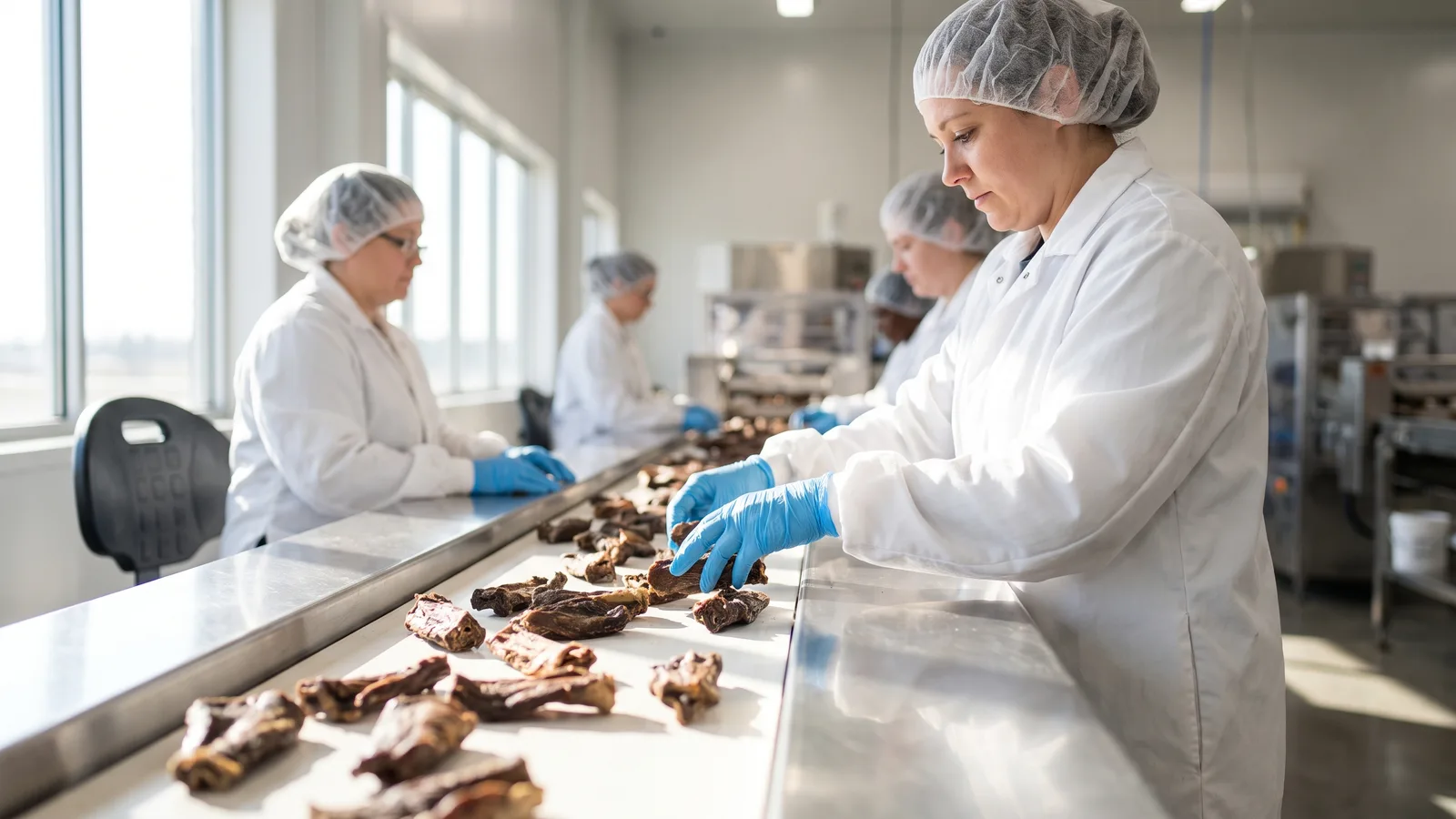
    Workers in a pet treat facility inspecting dried beef dog chews on a production line

    FDA requirements for dog treats are the federal rules that apply to pet treats as animal food: the producing facility must be registered with the FDA, the product must be safe and properly labeled, and imported shipments must be announced to the FDA before they arrive. For a US brand buying from overseas, these rules shape which suppliers are realistic options.

    Dog treats are animal food

    Under the Federal Food, Drug, and Cosmetic Act, pet food and treats are food for animals. The FDA does not pre-approve treats, but it expects them to be safe, produced under sanitary conditions, made from acceptable ingredients and truthfully labeled. Products that fall short can be refused at the border or recalled.

    This is why the phrase “FDA approved” on a chew is a warning sign rather than a selling point. What a buyer can verify is a registered facility, a working food safety system, test results and a compliant label.

    Facility registration

    Facilities that manufacture, process, pack or hold animal food for consumption in the US, including foreign facilities, must be registered with the FDA. Registrations are renewed every two years, in the period from October to December of even-numbered years. A US buyer should confirm the supplier’s registration is current before placing an order.

    The FDA does not publish a public lookup of every facility registration, so buyers usually ask the supplier for the registration number and confirm it through their customs broker or compliance adviser when the first Prior Notice is filed.

    Foreign facilities also designate a US agent as part of registration. The registration number is used in Prior Notice filings, so it needs to match the facility that actually produced the goods, not a trading company or a sister plant.

    Preventive controls and good manufacturing practice

    The FDA’s preventive controls rule for animal food sets current good manufacturing practice (CGMP) requirements and, for most facilities, a written food safety plan based on a hazard analysis. For raw-material-based chews, the key hazards are usually biological, so buyers should ask how the supplier controls pathogens and how that is verified.

    In a chew facility, controls typically sit around raw material receiving, the drying or cooking step, separation of raw and finished areas, cleaning and sanitation, and environmental monitoring. Ask the supplier to walk you through which step it treats as the main control for pathogens and what records it keeps for each lot.

    Salmonella and testing

    The FDA considers pet food contaminated with Salmonella to be adulterated. Because dog chews are handled by people at home, this is one of the most important points in supplier qualification. Ask for recent certificates of analysis from finished-product testing and for the laboratory used.

    Testing is a verification step, not the control itself. A facility that relies only on end-product testing can still ship a contaminated lot that happened to test clean, so the stronger answer combines a validated kill step, such as a defined drying or cooking time and temperature, with sanitation, environmental monitoring and lot testing. Ask how often each lot is sampled, how many samples are taken, and what happens to a lot while results are pending. Good practice is to hold the lot until results are back.

    How to read a certificate of analysis

    A certificate of analysis (COA) is only useful if it clearly ties a result to a lot. When you receive one, check these fields:

    FieldWhat to look for
    Product and lot numberMatches the lot codes on the cartons in the shipment
    Sample dateTaken from finished product, not only raw material
    LaboratoryNamed laboratory, ideally accredited for the methods used
    Tests and methodsSalmonella at minimum; many buyers also ask for Listeria and E. coli
    ResultsReported clearly, for example “not detected” in a stated sample size
    SignatureSigned or issued by the laboratory, not retyped by the supplier

    Import requirements for each shipment

    • Prior Notice: every food shipment, including animal food, must be announced to the FDA before arrival.
    • Admissibility review: the FDA can examine, sample or hold a shipment at entry.
    • Importer responsibilities: US importers may also have supplier verification duties under the Foreign Supplier Verification Program, depending on the product and the parties.

    Under the Foreign Supplier Verification Program, an importer generally needs to evaluate the hazards and the supplier’s performance and keep records of that review. Whether and how the rule applies depends on the product and the parties, so confirm your obligations with a compliance adviser or customs broker.

    Where USDA fits in

    FDA rules cover the food side. For animal-origin chews from many countries, USDA APHIS rules apply as well, which usually means an import permit and a veterinary health certificate. Both agencies need to be satisfied before a shipment is released. Our USDA APHIS import permit guide explains that side.

    In practice the two sets of documents are reviewed side by side at entry. The product description in the FDA Prior Notice, the APHIS permit, the veterinary health certificate and the commercial invoice should all describe the same goods in the same words, which is one of the simplest ways to avoid holds.

    Labeling and claims

    FDA labeling rules work together with AAFCO model regulations and state feed laws. A treat label needs a product name, species, net quantity, guaranteed analysis, ingredient statement and the responsible company’s name and address. See the full dog treat label checklist for detail.

    Claims deserve particular care. A statement that a treat treats or prevents a disease can cause the FDA to view the product as a drug rather than a food. Keep marketing language factual, such as single ingredient, protein source and texture.

    Functional chews with added ingredients such as glucosamine or probiotics sit closer to the line between food and drug. If you plan a line like that, review the wording with a regulatory adviser before printing.

    What to ask a supplier

    • Current FDA facility registration number
    • Description of the food safety system (GMP, HACCP-based plan)
    • Recent finished-product test reports, including Salmonella
    • Product specification and ingredient statement for each SKU
    • Support for Prior Notice data and USDA paperwork

    Chewport’s partner facilities in Turkiye produce for the US market and can provide registration details and this documentation to qualified buyers on request. Our compliance and logistics page shows how the work is shared.

    Frequently asked questions

    Does the FDA approve dog treats before sale?

    No. There is no pre-market approval for treats, but they must be safe, made from acceptable ingredients, produced under sanitary conditions and properly labeled.

    Does a foreign pet treat factory need FDA registration?

    Yes. Foreign facilities that manufacture, process, pack or hold animal food for the US must register with the FDA and renew the registration every two years.

    What is Prior Notice?

    An advance notification to the FDA for each food shipment entering the US. It is filed before the goods arrive.

    Can the FDA inspect a foreign treat facility?

    Yes. The FDA can inspect foreign food facilities that export to the US. A facility that keeps its food safety records in order is better prepared for that possibility.

    What happens if a shipment is detained at entry?

    The FDA may sample the goods or ask for more information. Depending on the outcome, the shipment can be released, reconditioned where allowed, refused or re-exported. Complete documents and test reports reduce the risk.

    Is a HACCP certificate the same as FDA compliance?

    No. A HACCP-based plan or a third-party certificate can support supplier qualification, but FDA compliance depends on registration, the preventive controls rule, labeling and clean import filings.

    Need FDA-ready dog treats?

    Ask for our document pack: facility registration, specifications and test reports for each product.

    Request a quote
    Chewport

    The US-facing pet line of Export Partners LLC. Wholesale and private-label functional chews, natural dog chews and freeze-dried treats, sourced in Turkiye with FDA and USDA compliance handled on the supplier side.
    Company

    Export Partners LLC ↗ info@chewport.com +1 210 756 2033 San Antonio, Texas 78228, USA Amazon SPN Verified Service Provider
    © 2026 Chewport — part of Export Partners LLC, San Antonio, TX. All rights reserved.
  • Probiotic Chews for Dogs: CFU, Strains and Private Label

    Probiotic Chews for Dogs: CFU, Strains and Private Label

    Wholesale & private-label · US company · Supply chain outside China · FDA & USDA documentationPart of Export Partners LLC ↗
    Functional chews

    Probiotic Chews for Dogs: CFU, Strains and Private Label

    Probiotic chews are only as good as the live count they deliver at the end of shelf life. Here is what buyers should ask before ordering wholesale.

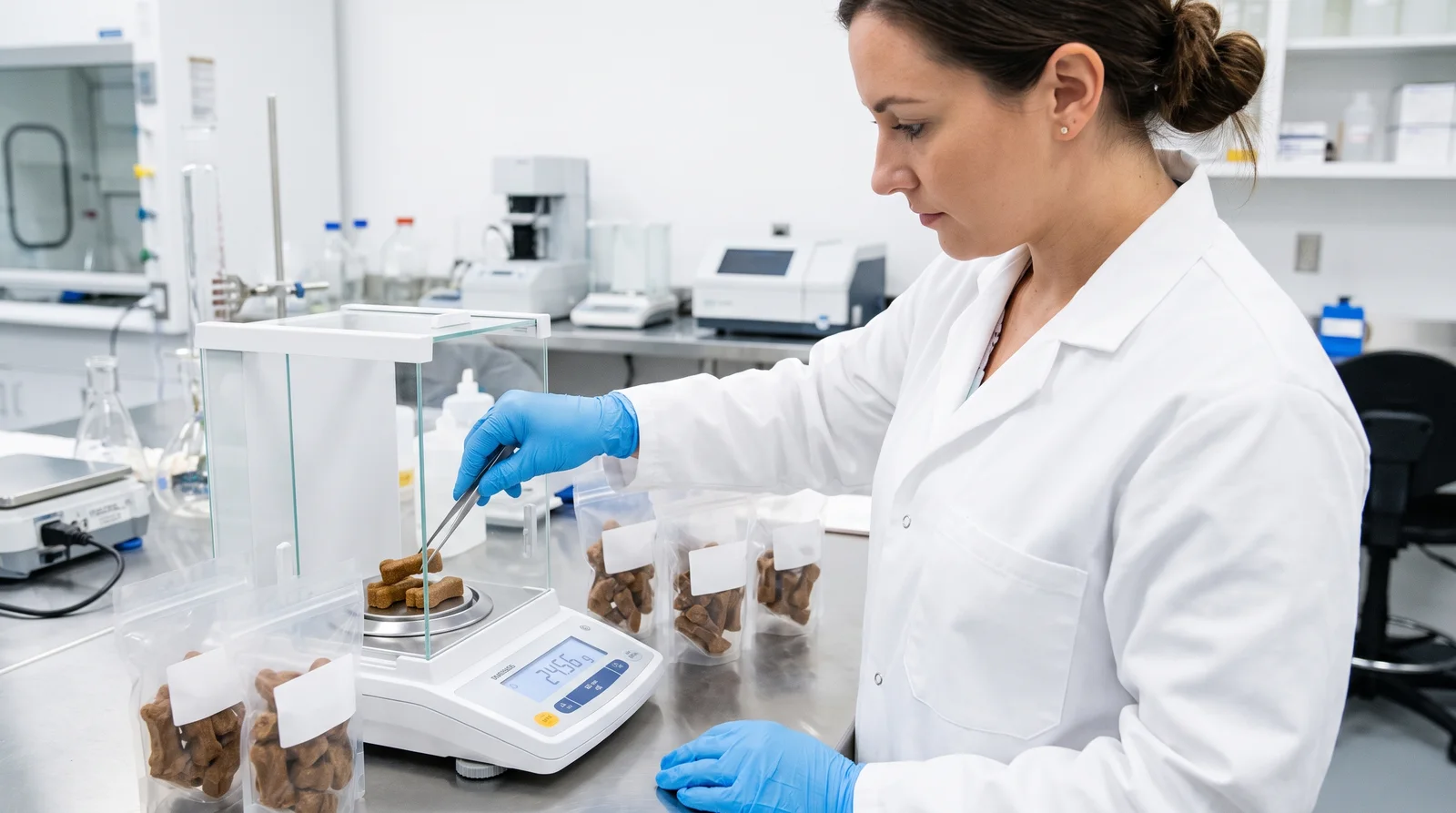
    Technician weighing soft dog supplement chews in a quality control lab

    Probiotic chews for dogs are soft chews containing live beneficial microorganisms, declared in colony-forming units (CFU) per serving, often combined with prebiotic fiber such as pumpkin or inulin. Because the bacteria must survive production and storage, the key buying question is how many CFU remain at the end of the labeled shelf life.

    That one question shapes almost every other decision in a probiotic chew project: which strains are used, how the chew is made, how much margin is built into the formula, how the product is packed and how it is tested.

    Which strains suit probiotic chews?

    Soft chews are produced with heat and pressure, so many formulas use spore-forming strains such as Bacillus subtilis or Bacillus coagulans, which tolerate processing better than many lactic acid bacteria. Ask which strains are used and why they suit the chew format.

    Strain typeExamplesFit for soft chews
    Spore-formingBacillus subtilis, Bacillus coagulansGenerally better tolerance of heat, pressure and storage
    Lactic acid bacteriaLactobacillus and Enterococcus speciesMore sensitive to heat and moisture; process and pack need careful control
    Yeast-basedSaccharomyces speciesUsed in some formulas; ask for stability data in the chew format

    Ask for the strain designation as well as the species, and for the ingredient supplier’s specification. Two products listing the same species can behave very differently in a chew if the strains and their handling differ.

    Should CFU be guaranteed at manufacture or at expiry?

    A label should state CFU per serving. Ask whether that number is guaranteed at manufacture or through the end of shelf life, and ask for the stability data behind it. A lower number guaranteed to expiry is more useful than a higher number at day one.

    Stability data usually means the finished chew, in its final pack, tested for CFU at set intervals under defined storage conditions. Ask to see the time points tested, the storage temperature and humidity, and the result at the last time point compared with the label claim. Manufacturers often add an overage at production to cover losses over time; ask how the overage is set and confirmed.

    How do prebiotics and other actives pair with probiotics?

    Many digestive formulas pair probiotics with fiber sources such as pumpkin, inulin or chicory root. These change texture and moisture, so the final recipe needs its own stability check.

    Probiotics are also added to broader formulas, such as daily multivitamin chews. If you are considering an all-in-one product rather than a dedicated digestive chew, our guide to wholesale dog multivitamin chews covers the trade-offs. Every added active, flavor or humectant can affect water activity, and water activity affects probiotic survival.

    What testing should a probiotic chew supplier run?

    • CFU count on finished product per batch
    • Pathogen testing of finished chews
    • Moisture and water activity, which affect probiotic survival

    When reviewing a certificate of analysis, check that the CFU result is reported per gram or per chew in a way you can convert to the label’s per-serving figure, that it is tied to the lot number on the carton, and that the laboratory and method are identified. A result reported per gram of chew needs the chew weight and serving size to become a label value.

    How should probiotic chews be packed and stored?

    Moisture is the main enemy of probiotics. Induction-sealed tubs, desiccants where appropriate and clear storage directions help protect the count through distribution.

    Consider the full route the product takes: production in Turkiye, ocean or air transit, a US warehouse, then a retailer or a customer’s kitchen. Heat during transit and storage can reduce counts, so ask the supplier what storage conditions the shelf life assumes and put those conditions on the label. Opened tubs are exposed every day, which is one reason many brands choose moderate pack counts for probiotic products.

    What should a probiotic chew label show?

    Declare strains and CFU per serving in the Product Facts panel, with directions and cautions. Use support language, such as “supports digestive health”, rather than disease claims.

    Write CFU in a consistent format, for example “1 billion CFU per serving”, and make sure the serving size in the panel matches the directions. State storage directions, such as keeping the container closed and in a cool, dry place. Claims about treating diarrhea or other conditions can change how the product is regulated; see our overview of dog supplement regulations in the US.

    How do you evaluate probiotic chew samples?

    A probiotic chew has to work as a treat before it can work as a supplement, because a dog that refuses it never receives the serving. Check texture, smell and color when the pack is first opened, and again after it has been opened and closed for a few weeks. Weigh a set of chews and compare against the specified chew weight, since CFU per serving depends on it. Offer samples to dogs of different sizes and note acceptance. Then ask for the certificate of analysis of the sample lot and convert its CFU result to your planned label claim, to confirm the numbers line up before any packaging is printed.

    Which import documents do probiotic chews need?

    Imported supplement chews need an FDA-registered production facility and FDA Prior Notice for each shipment, and the entry is filed with US Customs and Border Protection, usually by a licensed customs broker. If the formula includes animal-derived ingredients, such as a meat flavor, liver powder or dairy-based components, USDA APHIS requirements may also apply depending on the ingredient and its origin. Ask the supplier for an origin statement for each animal-derived ingredient, and confirm the requirements with your customs broker and APHIS before the first order.

    How does a private-label probiotic chew project run?

    1. Brief: target CFU per serving, strain preference, prebiotic choice, flavor and pack
    2. Formula proposal with strain specifications and planned overage
    3. Lab samples for texture, smell and acceptance
    4. Stability plan in the final pack, with agreed time points
    5. Label and claim review against the specification
    6. First production run with CFU and pathogen results per batch
    7. Shipping with attention to temperature, then FDA Prior Notice and customs entry

    Which questions should you ask a probiotic chew supplier?

    • Which strains are used, with strain designations, and why for this format?
    • Is the CFU claim guaranteed through the end of shelf life?
    • What overage is added at production, and how was it set?
    • What water activity target does the chew have?
    • Which stability time points and storage conditions have been tested?

    Common mistakes include comparing products on CFU at manufacture, adding prebiotics without a new stability check, and choosing a cheaper pouch without testing it.

    Chewport supplies digestive and probiotic soft chews from partner facilities in Turkiye under private label. See the functional chews range.

    Frequently asked questions

    Why are Bacillus strains common in probiotic chews?

    They form spores that tolerate heat and pressure in soft chew production better than many other strains.

    What CFU number should be on the label?

    The count guaranteed per serving, ideally through the end of shelf life, backed by stability data.

    Do probiotic chews need special packaging?

    They need protection from moisture. Induction-sealed tubs or barrier pouches are standard.

    What is an overage in a probiotic chew?

    An amount added above the label claim at production to allow for losses during storage. It should be confirmed by stability testing, not estimated.

    Can probiotics be combined with pumpkin or inulin?

    Yes, and many digestive formulas do. The combined recipe needs its own stability check because fiber sources change moisture and texture.

    Does heat during shipping affect probiotic chews?

    It can reduce counts, especially for less robust strains. Ask what storage conditions the shelf life assumes and plan shipping and warehousing around them.

    Launching a probiotic chew?

    Send us your target CFU and pack, and we will propose strains, a formula and a sample plan.

    Request a quote
    Chewport

    The US-facing pet line of Export Partners LLC. Wholesale and private-label functional chews, natural dog chews and freeze-dried treats, sourced in Turkiye with FDA and USDA compliance handled on the supplier side.
    Company

    Export Partners LLC ↗ info@chewport.com +1 210 756 2033 San Antonio, Texas 78228, USA Amazon SPN Verified Service Provider
    © 2026 Chewport — part of Export Partners LLC, San Antonio, TX. All rights reserved.
  • Private-Label Pet Chews: A US Brand’s Overseas Sourcing Checklist

    Private-Label Pet Chews: A US Brand’s Overseas Sourcing Checklist

    Wholesale & private-label · US company · Supply chain outside China · FDA & USDA documentationPart of Export Partners LLC ↗
    Sourcing checklist

    Private-Label Pet Chews: A US Brand’s Sourcing Checklist

    Private label lets a US brand own the shelf without owning a factory. Use this checklist to evaluate an overseas pet-chew supplier.

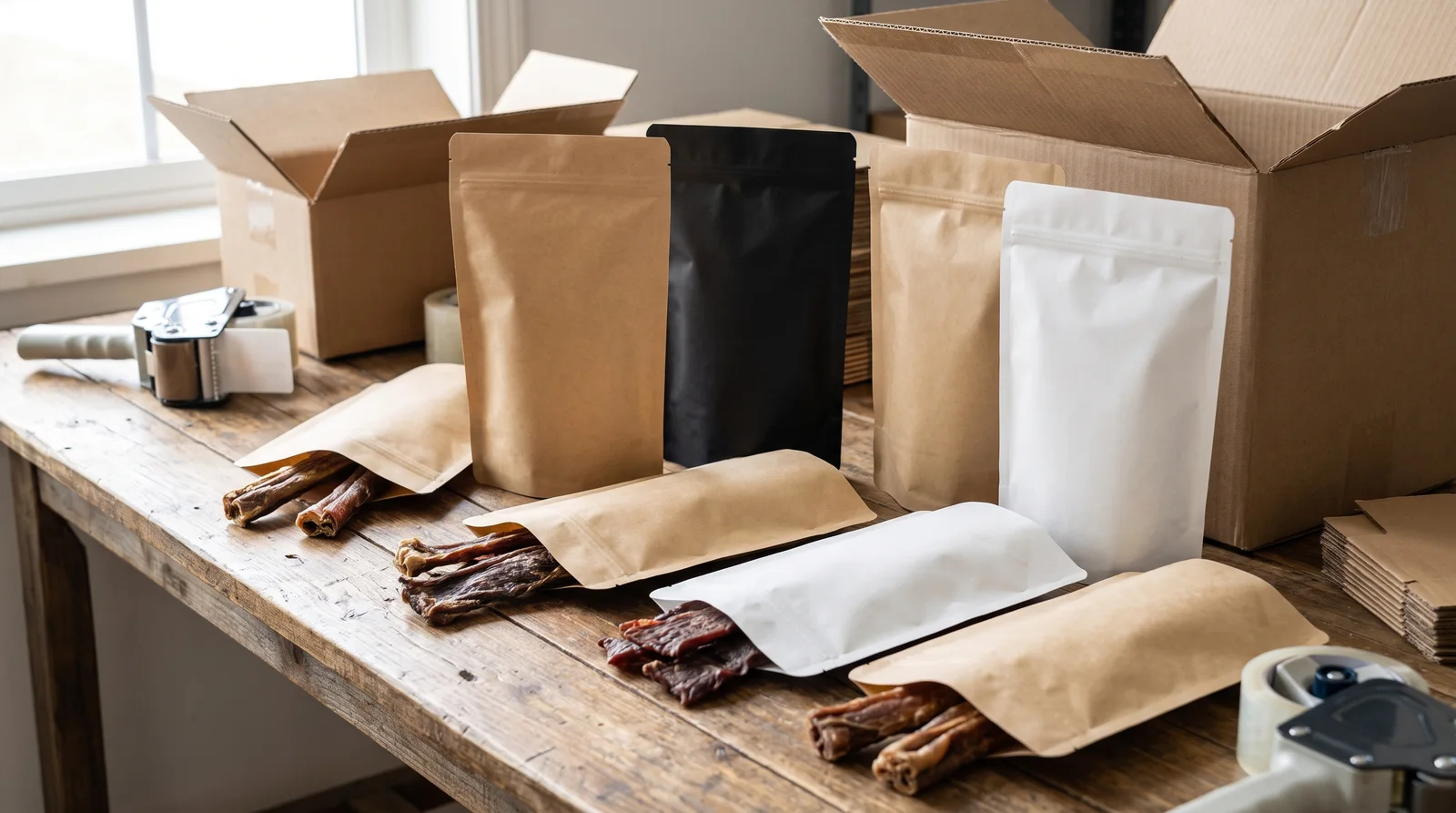
    Blank private-label stand-up pouches with natural beef dog chews on a packing table

    Private label lets a US brand own the shelf without owning a factory. It also moves responsibility for quality and compliance onto you, so the supplier you pick matters more than the price you first see. Here is the checklist we give buyers evaluating an overseas partner.

    The checklist follows the order in which a private-label launch actually runs: define the product, prove it with samples, lock the label, agree on commercial terms, then confirm who handles the paperwork. Each section below can be used on its own as a step in your supplier review.

    Start with single-ingredient clarity

    The cleanest pet chews are one ingredient: beef pizzle, lamb skin, goat tripe, and so on. Single-ingredient products are easier to label, easier to defend to customers, and easier to clear at the border. Ask for the exact composition of every SKU in writing.

    If you are still deciding on the range, our overview of types of natural dog chews compares the common formats. Start with three to five SKUs that cover different price points and chew durations rather than a long list you cannot test properly.

    Get real samples against a written spec

    A sample is only useful next to a spec: dimensions, moisture, protein, packaging and shelf life. Approve the sample, then hold production to that document. A supplier that ships to spec is worth more than one that ships fast.

    Spec itemWhat to write downWhy it matters
    Raw materialSpecies, body part, originDrives the label, the APHIS permit and the customer promise
    SizeLength or weight range per piecePack counts and retail pricing depend on it
    Moisture or water activityTarget range and test methodAffects shelf life and mold risk
    Guaranteed analysisProtein, fat, fiber, moisture valuesMust match what is printed on the label
    PackagingPouch type, barrier, closure, carton countProtects the product in transit and on the shelf
    Shelf lifeMonths from production, storage conditionsRetailers and marketplaces ask for it
    TestingTests per lot and laboratorySupports safety and retailer onboarding

    How to evaluate a sample

    Ask for samples from more than one production lot if possible. One perfect sample shows what the facility can do; two or three show what it usually does.

    • Appearance: even color, no dark scorched spots, no visible mold or white bloom.
    • Size consistency: measure ten pieces and compare against the spec range.
    • Texture: the product should be fully dry for its type, without soft or tacky centers.
    • Odor: natural chews have a smell, but a sour or rancid note is a warning sign.
    • Packaging: check seals, closures and whether the pouch keeps air out after opening and closing.
    • Paperwork: the sample should come with a spec sheet and, ideally, a test report for that lot.

    Decide who owns the label

    In private label the brand, artwork and responsible-party details are yours. Confirm the supplier prints to your approved artwork and does not slip its own branding onto the pack. The label is the part your customer actually sees.

    Build the label to FDA rules and AAFCO model regulations, and include country of origin marking for imported goods. The dog treat label requirements checklist lists the elements to confirm before you send artwork to print.

    Understand MOQs, lead time and logistics

    Ask for minimum order quantities per SKU, production lead time, and how the goods ship. For animal-origin chews, the paperwork adds a few steps, so a partner that has exported to the US before will save you weeks.

    Lead time for a first private-label order is usually longer than for a repeat order, because packaging has to be designed, approved and printed. Ask the supplier to split its quote into packaging lead time and production lead time so you can plan the launch date realistically.

    Also ask how reorders work. A supplier that keeps your spec, artwork files and approved samples on record can turn a repeat order faster and with fewer errors than one that starts from scratch each time.

    Confirm compliance is handled on the supplier side

    The strongest arrangement is one where facility registration, origin health documentation and export paperwork sit with the supplier, and you manage the US entry. That is the model we run, so a US brand can focus on selling rather than on regulatory filings.

    In practice that means the supplier provides its FDA facility registration details, the process description you need for the USDA APHIS import permit, and a veterinary health certificate for each shipment. You, as importer, hold the permit and work with a customs broker.

    What a realistic first-order budget includes

    The unit price on a quote is only part of the landed cost. When you compare suppliers, put every line below into the same spreadsheet so the comparison is fair.

    • Product cost per unit or per kilogram, by SKU and pack size.
    • Packaging: pouch printing, plates or setup charges, cartons and labels.
    • Samples and sample shipping.
    • Laboratory testing, if it is charged separately.
    • Freight from origin to your warehouse, and insurance.
    • Customs broker fees, duties and any port or examination charges.
    • State registration fees where you plan to sell.

    Ask your customs broker to estimate duties and fees for your specific products before you place the order. Duty depends on the tariff classification, so do not rely on a number from another product.

    Questions to ask an overseas private-label supplier

    • Can you share a written specification and recent test reports for each SKU?
    • What are the MOQs per SKU and per pack size?
    • Do you print my artwork, or do I supply printed packaging?
    • How are lots coded on the pack and on the cartons?
    • Which documents do you provide with each shipment?
    • Have you shipped this product type to US importers before?
    • How do you handle a lot that fails a test or is out of spec?

    Red flags when comparing suppliers

    • Claims of an “FDA approved” product. There is no such approval for chews.
    • No written spec, or a spec that changes between quotes.
    • Reluctance to share test reports or facility registration details.
    • A price far below the market without a clear reason, such as a different cut or grade.
    • The supplier’s own brand appearing on what should be your private-label pack.

    How a private-label launch runs, step by step

    1. Shortlist SKUs and request a quote with specs.
    2. Order and evaluate samples against the spec.
    3. Finalize the spec and sign off on the commercial terms.
    4. Design and review the label, then approve the print proof.
    5. Apply for the APHIS permit and confirm the document pack.
    6. Produce, test, pack and ship the first order.
    7. Clear US entry through your broker and track sell-through before reordering.

    You can see the product groups we supply on the natural chews page.

    Frequently asked questions

    What is the difference between private label and white label here?

    In practice both mean the product ships under your brand. Private label usually implies you also influence the spec and packaging, which is what we recommend so the product matches your positioning.

    How small can a first order be?

    Most buyers start with a trial or a single pallet to validate the market, then move to container volumes. Minimums vary by SKU and are confirmed in the quote.

    Who is the responsible party on the label?

    For a private-label brand it is normally you, the US seller. We print to your approved artwork and responsible-party details.

    Can I mix several SKUs in one shipment?

    Usually yes, as long as each SKU meets its own minimum and is covered by your APHIS permit. Mixed pallets are a common way to test a range before committing to full containers.

    Who pays for samples?

    Terms vary by supplier. Many charge for samples and shipping and credit the cost against the first order. Ask for the sample terms in writing with the quote.

    Can I change the spec after the first order?

    Yes, but treat it as a new spec. Re-approve samples, update the label if the analysis changes, and check that your import permit still covers the product.

    Talk to a supplier, not a broker

    Tell us your product group, target market and volumes, and we will come back with a quote and the compliance steps that actually apply.

    Request a quote
    Chewport

    The US-facing pet line of Export Partners LLC. Wholesale and private-label functional chews, natural dog chews and freeze-dried treats, sourced in Turkiye with FDA and USDA compliance handled on the supplier side.

    Company

    Export Partners LLC ↗ info@chewport.com +1 210 756 2033 San Antonio, Texas 78228, USA Amazon SPN Verified Service Provider
    © 2026 Chewport — part of Export Partners LLC, San Antonio, TX. All rights reserved.
  • Glucosamine and Chondroitin Chews for Dogs: Wholesale Sourcing Guide

    Glucosamine and Chondroitin Chews for Dogs: Wholesale Sourcing Guide

    Wholesale & private-label · US company · Supply chain outside China · FDA & USDA documentationPart of Export Partners LLC ↗
    Functional chews

    Glucosamine and Chondroitin Chews for Dogs: Wholesale Sourcing Guide

    Hip and joint chews are a top seller for senior and large-breed dogs. Sourcing them well comes down to actives per chew, ingredient origin and documentation.

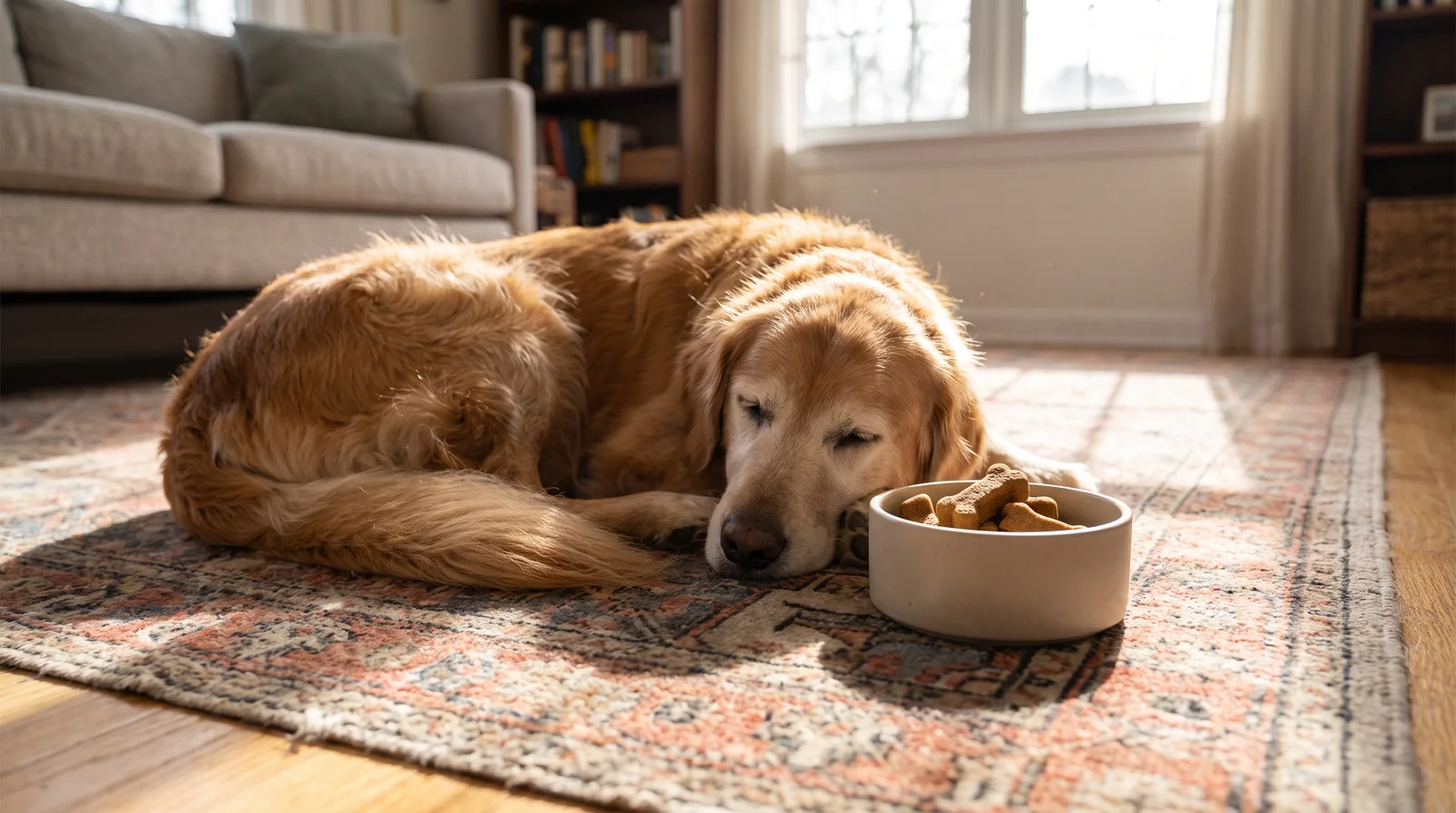
    Senior golden retriever resting next to a bowl of hip and joint soft chews

    Glucosamine and chondroitin chews for dogs are soft chews marketed for hip and joint support, usually combining glucosamine (often from shellfish), chondroitin sulfate (often bovine) and supporting ingredients such as MSM, green-lipped mussel or omega-3. For a wholesale buyer, the questions are how much of each active is in every serving, where it comes from and how that is documented.

    Hip and joint is one of the most competitive functional categories, and shoppers compare labels closely. That makes the specification, the origin statements and the label the real product, as much as the chew itself.

    How should actives per serving be specified?

    Hip and joint products compete on the amount of active ingredients. Ask for the milligrams of each active per serving, the number of chews per serving and the serving guidance by dog weight. Proprietary blends are common, but your specification should still state the total blend weight per serving.

    Also confirm the exact form of each active, since it changes both cost and label wording. Glucosamine is commonly supplied as glucosamine HCl or glucosamine sulfate, and chondroitin as chondroitin sulfate. The specification, the certificate of analysis and the label should all use the same name and the same unit.

    Which supporting ingredients are common in joint chews?

    Most formulas build on glucosamine and chondroitin and add one or more supporting ingredients. Each one brings its own sourcing and documentation points.

    IngredientCommon sourceSourcing note
    GlucosamineShellfish, or non-shellfish sourcesState the source on the label where relevant
    Chondroitin sulfateOften bovine cartilage; other animal sources existAnimal origin can affect import paperwork
    MSM (methylsulfonylmethane)SyntheticUsually simple to document
    Green-lipped musselShellfishAnimal origin and allergen statement
    Omega-3 (fish oil)Fish or algal oilOxidation control and origin statement
    Hyaluronic acid, turmericVariousConfirm form, amount and supplier specification

    Adding more actives raises cost and can make the chew harder to form. A focused formula with clearly stated amounts is often easier to sell than a long list of small additions.

    Why does ingredient origin matter for import?

    Glucosamine is commonly sourced from shellfish and chondroitin from bovine cartilage. Animal-origin ingredients can bring USDA APHIS requirements into an import, in addition to FDA rules. Ask your supplier for the origin of each animal-derived ingredient and for the supporting statements, so the import paperwork matches.

    In practice, this means the supplier should be able to provide, on request, a statement for each animal-derived ingredient naming the species and the country of origin, along with the ingredient supplier’s specification. Your customs broker and USDA APHIS can then confirm whether a permit or certificate is needed for the finished product. The process for animal-origin products is covered in our guide to the USDA APHIS import permit for pet treats.

    How should allergens and species be shown on the label?

    Shellfish-derived glucosamine should be stated on the label where relevant. Many brands add the source in brackets in the ingredient list, for example “Glucosamine HCl (Shellfish)”.

    The same approach works for other animal-derived ingredients, such as “Chondroitin Sulfate (Bovine)”. Clear source statements help owners whose dogs do better without certain proteins, and they reduce questions from retailers and marketplaces.

    What testing should a joint chew supplier provide?

    • Certificate of analysis per batch for the declared actives
    • Moisture and microbiological testing of finished chews
    • Stability data supporting the shelf life on the label

    When reviewing a certificate, check that the lot number matches the carton, that the tested values are shown next to the label claim, and that the test method is identified. Chondroitin in particular can be hard to measure accurately in a finished soft chew, so ask which method the laboratory uses and whether the supplier also holds certificates for the raw material.

    How should labels and claims be written?

    Use support language, such as “supports hip and joint health”, and avoid disease claims such as treating arthritis. Follow the Product Facts format and include cautions, for example advice to consult a veterinarian if the condition does not improve.

    Product names and imagery count as claims too. A name or picture that implies treatment of a disease can create the same issue as a written claim. Our overview of dog supplement regulations in the US explains how intended use decides whether a product is treated as a food or a drug.

    Which packaging protects hip and joint chews?

    Soft chews pick up moisture and can harden, sweat or develop mold if the pack is weak. Tubs with induction-sealed lids are the most common format for 60, 90 and 120 count products and protect the chews from crushing in transit. Resealable barrier pouches are lighter and cheaper to ship, but they need a reliable zipper and a strong moisture barrier. Where the formula contains fish oil, an oxygen barrier matters as well. Ask the supplier which pack the stability data was generated in, and keep the same pack for production.

    How does a private-label joint chew project run?

    1. Brief: target actives per serving, dog size range, flavor, count and pack
    2. Formula proposal with specification and ingredient origin statements
    3. Lab samples for texture, smell and acceptance
    4. Label and claim review, including source statements for animal-derived ingredients
    5. Import requirement check with your customs broker and, where relevant, USDA APHIS
    6. First production run with a batch certificate of analysis
    7. Shipping, FDA Prior Notice and customs entry

    Running the import check early matters most for formulas with bovine chondroitin or shellfish ingredients, because the answer can affect timing.

    How do brands build a hip and joint range?

    Brands usually offer a standard and an advanced strength, or separate formulas for small and large dogs. Starting with one formula in two pack sizes keeps the first order simple.

    A senior formula that combines joint actives with omega-3 is another common extension once the core product sells. Each new formula needs its own specification, label review and stability check, so add them one at a time.

    How do you evaluate samples and compare suppliers?

    • Compare actives per serving at the same serving size, not per chew
    • Check that each supplier states the form and source of every active
    • Ask for a sample certificate of analysis and the test method
    • Review texture, smell and acceptance by dogs of different sizes
    • Compare the shelf life and the pack it was tested in

    Common mistakes include comparing prices without matching actives, printing labels before origin statements are confirmed, and using disease language in marketplace listings that the label itself avoids.

    Chewport supplies hip and joint soft chews from partner facilities in Turkiye under private label, with ingredient origin statements and batch reports. See the functional chews range.

    Frequently asked questions

    Where does glucosamine in dog chews come from?

    Most often from shellfish. Some formulas use non-shellfish sources; the specification and label should state the source.

    Does chondroitin affect import paperwork?

    Chondroitin is often of bovine origin, and animal-origin ingredients can bring USDA APHIS requirements into an import. Confirm the origin and documents with your supplier.

    Can I make a claim about arthritis?

    Claims to treat or prevent disease change how the product is regulated. Keep to support language unless you have a regulatory basis for more.

    How many milligrams of glucosamine should a chew contain?

    There is no single standard amount. Set levels with a qualified animal nutritionist, state them per serving, and give serving guidance by dog weight.

    Should I use a proprietary blend?

    Blends are common, but buyers and retailers increasingly compare stated amounts. If you use a blend, at least state its total weight per serving.

    Can a joint chew include fish oil?

    Yes. Omega-3 is a common addition for senior formulas, but it adds oxidation control and stability points to the specification.

    Sourcing hip and joint chews?

    Tell us your target actives and pack sizes, and we will send a quote with specifications.

    Request a quote
    Chewport

    The US-facing pet line of Export Partners LLC. Wholesale and private-label functional chews, natural dog chews and freeze-dried treats, sourced in Turkiye with FDA and USDA compliance handled on the supplier side.
    Company

    Export Partners LLC ↗ info@chewport.com +1 210 756 2033 San Antonio, Texas 78228, USA Amazon SPN Verified Service Provider
    © 2026 Chewport — part of Export Partners LLC, San Antonio, TX. All rights reserved.
  • USDA APHIS Import Permit for Pet Treats: What US Importers Need

    USDA APHIS Import Permit for Pet Treats: What US Importers Need

    Wholesale & private-label · US company · Supply chain outside China · FDA & USDA documentationPart of Export Partners LLC ↗
    USDA guide

    USDA APHIS Import Permit for Pet Treats: What US Importers Need

    Animal-origin dog chews from many countries need a USDA APHIS permit and a veterinary health certificate before they can enter the US. Here is how the permit side works.

    Importer reviewing a USDA import permit and veterinary health certificate for natural dog chews

    A USDA APHIS import permit is the federal authorization that allows animal-origin pet food, treats and chews to enter the United States from countries where livestock diseases exotic to the US are present. For natural dog chews made from beef, lamb or goat, it is usually the first document a US importer has to line up, and it has to be in place before the goods ship.

    What APHIS regulates and why

    The FDA looks at pet treats as animal food. The USDA Animal and Plant Health Inspection Service (APHIS) looks at something different: whether the animal material in the product could carry a livestock disease into the US. That is why the permit question depends on the raw material and the country of origin, not on the brand or the retailer.

    According to the FDA’s own import guidance, a USDA APHIS Veterinary Services (VS) permit is required for animal food that contains animal-origin material from countries with livestock diseases exotic to the United States. Most single-ingredient chews, such as bully sticks, trachea, ears and cheek rolls, fall into this group.

    The two documents that travel together

    In practice, importers deal with a pair of documents:

    • USDA APHIS VS import permit, issued to the US importer, which states the product, origin and the conditions the shipment must meet.
    • Veterinary health certificate, issued by the veterinary authority of the exporting country, which confirms the product was produced and treated under those conditions.

    The permit sets the conditions; the certificate proves each shipment meets them. One without the other is not enough at the border.

    Import permitVeterinary health certificate
    Who holds or issues itIssued by APHIS to the US importerIssued by the exporting country’s veterinary authority
    How oftenValid for a period and the products it listsOne for each shipment
    What it saysProducts, origin and import conditionsThat this shipment meets those conditions
    Who checks itReviewed at entry against the goodsReviewed at entry against the permit and invoice

    Who applies, and when

    The permit is held by the US importer of record, not by the foreign producer. The application is filed with APHIS online, and the importer describes the product, its processing and the origin country. Because processing review can take time, the permit should be requested well before the first production run, not after the goods are ready.

    A good supplier helps here by providing an accurate product description, processing details and the facility information APHIS asks for. That information also needs to match what the veterinary certificate will later state.

    How the application usually runs, step by step

    1. Confirm with your supplier the exact products, species and origin you plan to import.
    2. Collect a written process description for each product: raw material, treatment, drying or cooking, and packing.
    3. Create or use your account in APHIS’s online permitting system and start a Veterinary Services import application.
    4. Describe each product clearly and attach the supporting information APHIS requests.
    5. Answer any follow-up questions from APHIS reviewers promptly and consistently.
    6. Once the permit is issued, send a copy to your supplier so the health certificate wording can be prepared to match.
    7. Keep the permit on file with your customs broker and check its validity before each order.

    Forms, systems and review practices can change, so check the current instructions on the APHIS website or with a customs broker who handles animal products before you apply.

    Processing details matter

    APHIS decisions often turn on how the product was made: the raw material, the treatment it went through and how it was packed. Ask your supplier for a clear process description for each SKU. Vague descriptions slow down permit reviews and lead to questions at entry.

    A useful process description names the species and body part, the country of origin of the raw material, each processing step with its purpose, how the finished product is protected from recontamination, and how it is packed. Keep the same wording in the application, the invoice and the health certificate.

    What the health certificate usually covers

    The exact wording depends on the permit conditions, but a veterinary health certificate for pet chews commonly identifies the exporter and consignee, describes the product and quantity, references the producing facility, and includes statements about the origin of the raw material and the treatment applied. The certificate is signed and stamped by an official veterinarian in the exporting country.

    Ask your supplier for a draft before the shipment is loaded and have your customs broker compare it with the permit. Small wording differences are much easier to fix before the goods leave than at a US port.

    Keep a copy of every certificate with the related invoice and permit. If a later shipment raises a question, a consistent record of earlier entries makes it easier to show that the same product has cleared before under the same conditions.

    Common mistakes

    • Shipping before the permit is issued.
    • A health certificate that does not match the permit conditions or the product description.
    • Changing the product, for example adding flavoring or basting, without checking whether the permit still covers it.
    • Assuming a permit for one origin or one product covers another.
    • Letting the permit lapse between orders without noticing.
    • Using different product names on the invoice, the certificate and the packaging.

    How the APHIS permit fits with FDA and customs

    The APHIS permit is one part of a wider entry. The producing facility also needs FDA food facility registration, each shipment needs FDA Prior Notice before arrival, and the customs broker files the entry with CBP. Our FDA requirements guide for dog treats covers the FDA side, and the importer’s compliance guide shows how all the pieces line up for one shipment.

    How Chewport handles the APHIS side

    Chewport works with partner facilities in Turkiye that produce for the US market. We prepare the product and process information for your permit application and coordinate the veterinary health certificate on the supplier side, so the paperwork matches before the container is loaded. Our compliance and logistics page explains how the tasks are split between us and the importer.

    Frequently asked questions

    Do all dog treats need a USDA permit?

    No. The requirement depends on whether the product contains animal-origin material and on the country it comes from. Natural chews made from beef, lamb or goat from countries with exotic livestock diseases generally need one.

    Who holds the APHIS permit, the supplier or the importer?

    The US importer. The supplier provides the product and process information and the veterinary health certificate for each shipment.

    Can I use one permit for several products?

    Only if the permit covers them. Check the permit conditions before adding new products or a new origin.

    How long does it take to get an APHIS import permit?

    Review times vary with the product, the completeness of the application and APHIS workload. Apply well before your first production run and check current processing information with APHIS.

    Is there a fee for the permit?

    APHIS may charge user fees for import permits. Check the current fee schedule on the APHIS website or with your customs broker before applying.

    What happens if a shipment arrives without the right documents?

    The shipment can be held, refused entry or required to be re-exported or destroyed, depending on the case. That is why the permit and the health certificate should be confirmed before the goods are loaded.

    Planning your first import?

    Tell us the products and origin you are considering, and we will map the permit and certificate steps that apply.

    Request a quote
    Chewport

    The US-facing pet line of Export Partners LLC. Wholesale and private-label functional chews, natural dog chews and freeze-dried treats, sourced in Turkiye with FDA and USDA compliance handled on the supplier side.
    Company

    Export Partners LLC ↗ info@chewport.com +1 210 756 2033 San Antonio, Texas 78228, USA Amazon SPN Verified Service Provider
    © 2026 Chewport — part of Export Partners LLC, San Antonio, TX. All rights reserved.
  • Wholesale Dog Multivitamin Chews: A Private-Label Buyer’s Guide

    Wholesale Dog Multivitamin Chews: A Private-Label Buyer’s Guide

    Wholesale & private-label · US company · Supply chain outside China · FDA & USDA documentationPart of Export Partners LLC ↗
    Functional chews

    Wholesale Dog Multivitamin Chews: A Private-Label Buyer’s Guide

    Multivitamin soft chews are one of the largest functional categories in US pet retail. Here is what a brand should check before sourcing them wholesale.

    Dog multivitamin soft chews spilling from an unlabeled tub

    Wholesale dog multivitamin chews are soft or semi-soft chews that combine vitamins, minerals and functional ingredients such as glucosamine, fish oil or probiotics in a single daily serving, supplied in bulk or under a buyer’s own label. In US retail and on Amazon, the category is led by “all-in-one” formulas sold in tubs of 60 to 120 chews.

    For a brand, the attraction is clear: one product, one daily habit for the owner, and room to tell a broad wellness story. The work sits in the details. Formula, dosing per chew, claims, stability and packaging all need to be agreed before the first production run.

    What goes into a multivitamin chew?

    A typical formula pairs a vitamin and mineral blend with one or more functional actives. Common combinations on the US shelf include:

    • B vitamins, vitamin E and trace minerals as the base blend
    • Glucosamine and chondroitin for hip and joint positioning
    • Fish oil (omega-3) for skin and coat positioning
    • Probiotics such as Bacillus subtilis for digestive positioning

    The base of the chew, for example pea or chickpea flour, vegetable glycerin and a flavor such as peanut butter or chicken, decides texture, palatability and shelf life.

    Each added active has its own sourcing story. If your formula leans on joint support, our guide to glucosamine and chondroitin chews covers ingredient origin and dosing points in more depth.

    How should the formula be agreed per chew?

    Ask for a specification that states each active ingredient per serving, the serving size in chews and grams, the inactive ingredients and the target moisture. If two chews make one serving, the label and the specification must say so in the same way.

    Fat-soluble vitamins such as A and D have upper limits in dog nutrition, and a multivitamin chew is often given alongside a complete and balanced diet. Formula levels should be set with a qualified animal nutritionist rather than copied from a competitor’s label. Ask the supplier who reviews formulas and on what basis serving guidance by dog weight is set.

    A simple specification layout keeps everyone aligned:

    ItemWhat to state
    Serving sizeChews per serving and weight per chew in grams
    Active ingredientsEach active with amount per serving and unit
    Inactive ingredientsBase, binders, flavor, preservatives, in descending order
    PhysicalChew shape, size, color range, moisture target
    PackCount per tub or pouch, pack type, closure
    Shelf lifeLabeled shelf life and the storage conditions it assumes

    What is the Product Facts panel?

    US dog supplements are commonly labeled with a Product Facts panel: active ingredients per serving, inactive ingredients, directions, cautions and the name and address of the company. Brands that follow National Animal Supplement Council (NASC) labeling guidelines use this format, and many retailers expect it.

    The panel has to match the specification line by line. A common problem is a label that lists an active “per chew” while the specification lists it “per serving” of two chews. Check units as well, for example mg versus IU for vitamins, and make sure directions by dog weight match the serving size used in the panel.

    Which claims can a multivitamin chew make?

    Supplement labels in this category use support language such as “supports hip and joint health” or “supports skin and coat”. Claims to treat, cure or prevent a disease change how the product is regulated in the US. Keep claims inside what your formula and data can support, and have the label reviewed before printing.

    Claims appear in more places than the label: the Amazon listing, the brand website, social posts and retailer copy. Keep one approved claim list and use it everywhere. The regulatory background is covered in our article on dog supplement regulations in the US.

    What testing and stability data should a supplier provide?

    • Certificate of analysis per batch for actives and moisture
    • Microbiological testing of finished chews
    • Stability data supporting the shelf life on the label, especially for vitamins and probiotics

    Some vitamins degrade over time, and probiotics lose count with moisture and heat. That is why many manufacturers formulate with a margin above the label claim for sensitive actives. Ask how the supplier sets that margin and whether the label claim is supported through the end of shelf life, not only at the day of manufacture.

    Which packaging works for soft chews?

    Soft chews are sensitive to moisture and heat. Tubs with induction-sealed lids or resealable pouches with a moisture barrier are standard. Ask how the shelf life was tested in the chosen pack.

    Tubs suit the 60 to 120 count formats common on the shelf and protect chews from crushing in transit. Pouches cost less to ship and store but need a strong barrier and a good zipper. Whichever you choose, the outer cartons should carry lot numbers and best-before dates, and the stability data should refer to the same pack you plan to sell.

    How does a private-label multivitamin project run step by step?

    1. Brief: target formula, positioning, chew count and pack, target price range
    2. Formula proposal and specification from the supplier
    3. Lab samples for taste, texture and appearance review
    4. Label and claim review against the agreed specification
    5. Stability plan and, where needed, adjustments to formula or pack
    6. First production run with batch certificate of analysis
    7. Import documents, shipping and FDA Prior Notice

    Running label review in parallel with sampling saves time, but do not print packaging until the formula and specification are final.

    How do you evaluate multivitamin chew samples?

    Lab samples show whether the formula works as a product, not only on paper. Check the chew for smell, color and texture right after opening and again after the pack has been opened and closed for a couple of weeks, since soft chews can harden or sweat. Weigh a set of chews against the specified weight. Offer the samples to a few dogs of different sizes and note acceptance, because palatability drives repeat purchase in this category. Finally, read the draft label next to the specification and confirm that every active, unit and serving size matches.

    Which questions should you ask a supplier?

    • Who sets formula levels, and on what nutritional basis?
    • Is the label claim guaranteed through the end of shelf life?
    • Which tests are run on every batch, and which are periodic?
    • Where do the active ingredients come from, and are origin statements available?
    • What is the minimum order per SKU, and can flavors share a base formula?

    Sourcing from Turkiye

    Chewport supplies multivitamin and functional soft chews from partner facilities in Turkiye under private label, with specifications, batch test reports and the US import paperwork handled on the supplier side. See our functional chews range.

    Frequently asked questions

    What is the minimum order for private-label multivitamin chews?

    It depends on the formula and pack. Most private-label projects start with a minimum per SKU agreed in the quote.

    Can the formula be customized?

    Yes. Actives, flavor, chew size and count per tub can be set per brand, within what the production line and stability data support.

    Do multivitamin chews need a Product Facts panel?

    It is the common US format for dog supplements and the one NASC labeling guidelines use. Many retailers expect it.

    Can a multivitamin chew include probiotics and fish oil together?

    Often yes, but each added active affects texture, moisture and stability. The combined formula needs its own stability check in the final pack.

    How long is the shelf life of a soft chew multivitamin?

    It depends on the formula and packaging. Ask for the stability data behind the labeled shelf life and the storage conditions it assumes.

    Should I copy the doses on a leading competitor’s label?

    No. Set levels with a qualified animal nutritionist based on your formula and serving guidance, and keep claims within what that formula supports.

    Planning a multivitamin chew line?

    Send us your target formula and pack size, and we will come back with a quote and a sample plan.

    Request a quote
    Chewport

    The US-facing pet line of Export Partners LLC. Wholesale and private-label functional chews, natural dog chews and freeze-dried treats, sourced in Turkiye with FDA and USDA compliance handled on the supplier side.

    Company

    Export Partners LLC ↗ info@chewport.com +1 210 756 2033 San Antonio, Texas 78228, USA Amazon SPN Verified Service Provider
    © 2026 Chewport — part of Export Partners LLC, San Antonio, TX. All rights reserved.
  • Importing Dog Chews and Treats into the United States: A Buyer’s Compliance Guide

    Importing Dog Chews and Treats into the United States: A Buyer’s Compliance Guide

    Wholesale & private-label · US company · Supply chain outside China · FDA & USDA documentationPart of Export Partners LLC ↗
    US import guide

    Importing Dog Chews into the US: A Buyer’s Compliance Guide

    Importing pet chews into the US is a predictable paperwork exercise once you know which agency cares about what. Here is the buyer’s checklist.

    Inspector checking a carton of imported dog chews at a US port warehouse

    Bringing dog chews and freeze-dried treats into the United States is mostly a paperwork exercise, and the paperwork is predictable once you know which agency cares about what. This guide walks a US importer through the checks that matter before the first container ships.

    The short version: the producing facility must be registered with the FDA, animal-origin products usually need a USDA APHIS import permit and a matching veterinary health certificate, every shipment needs FDA Prior Notice, and the retail label has to meet FDA and state feed rules. A customs broker ties it together at entry. The rest of this page explains each piece and the order in which to line them up.

    Who regulates pet chews at the US border

    Two federal agencies do most of the work. The FDA treats pet food and treats as food, so the producing facility and the product labeling fall under food rules. The USDA APHIS cares about the animal-origin part, because chews are made from beef, lamb, goat and similar materials, and animal products crossing the border need import permits and health documentation.

    Two more parties complete the picture. US Customs and Border Protection (CBP) handles the entry itself, the tariff classification and country of origin marking. State feed control officials enforce labeling at the point of sale, and many states expect pet food and treat products to be registered before they are sold there.

    WhoWhat they look atWhat you will see on paper
    FDAFacility registration, product safety, labeling, shipment noticeFacility registration number, Prior Notice confirmation
    USDA APHIS Veterinary ServicesDisease risk from animal-origin materialImport permit, veterinary health certificate
    CBPEntry, classification, duties, origin markingEntry filing, commercial invoice, packing list
    State feed controlRetail labeling, product registration where requiredState registration or license, label approval

    FDA: facility registration and prior notice

    The foreign facility that makes the product should be registered with the FDA as a food facility. For each shipment, FDA prior notice is filed before arrival. There is no “FDA approval” stamp for a chew, and any supplier claiming one is describing something that does not exist. What exists is a registered facility, compliant labeling, and clean entry filings.

    Behind the registration sits the FDA’s preventive controls rule for animal food, which expects most facilities to follow current good manufacturing practice and run a written food safety plan based on a hazard analysis. On the US side, importers may also have duties under the Foreign Supplier Verification Program, depending on the product and the parties involved. Our FDA requirements guide for dog treats covers these points in more detail.

    USDA APHIS: the animal-origin permit

    Because chews are rendered or dried animal parts, APHIS import conditions apply and typically require a permit and a health certificate from the country of origin. The exact conditions depend on the species and the processing, so the safest path is to confirm the permit language with your supplier before production, not after the goods are on the water.

    The permit is held by the US importer. The health certificate is issued for each shipment by the veterinary authority in the exporting country and has to match what the permit says. For a closer look at how the application works and the mistakes that slow it down, see our guide to the USDA APHIS import permit for pet treats.

    Labeling before it reaches the shelf

    US retail and marketplace listings expect an ingredient statement, a guaranteed analysis where applicable, net weight, and the name and address of the responsible party. If you are selling under your own brand, that responsible party is usually you, which means the label is your asset and should be finalized before the run, not improvised at the dock.

    Imported packs also need a clear country of origin marking, such as “Product of Turkiye”. Labels built to AAFCO model regulations are the practical way to meet most state requirements, and the dog treat label checklist lists each element.

    Customs entry and the practical timeline

    A customs broker files the entry, ties it to the FDA prior notice and the APHIS documentation, and clears the goods. When the facility is registered, the permit is in hand and the labels are correct, entries are routine. Most delays come from a missing document, not from the product itself.

    At entry, the FDA can review, examine or sample a shipment, and APHIS documentation is checked against the goods. Timing varies by port, by season and by whether a shipment is selected for examination, so build some buffer into your launch plan and ask your broker what is typical at your port of arrival.

    What the document pack for one shipment looks like

    A clean shipment usually travels with the same set of papers every time. Ask your supplier to send drafts before the goods are loaded so your broker can review them.

    DocumentPrepared byWhat to check
    Commercial invoiceSupplierProduct description, quantities and values match the packing list
    Packing listSupplierCarton count, weights and lot codes
    Bill of lading or air waybillCarrier or forwarderConsignee and notify party are correct
    Veterinary health certificateExporting country veterinary authorityWording matches the APHIS permit conditions
    APHIS import permit (copy)US importerProduct and origin are covered and the permit is valid
    FDA Prior Notice confirmationBroker or importerFiled before arrival, facility registration number included
    Certificate of analysisSupplier or its laboratoryLot numbers match, pathogen results are reported

    Step by step: your first import

    1. Agree on the product list and a written specification for each SKU.
    2. Confirm the supplier’s FDA facility registration and ask for its food safety documentation.
    3. Apply for the APHIS import permit using the product and process details from the supplier.
    4. Finalize and review the label, including country of origin marking.
    5. Check state registration requirements for the states where you will sell.
    6. Approve pre-production samples against the specification.
    7. Review the draft document pack with your customs broker before loading.
    8. Ship, file Prior Notice and the entry, and keep copies of every document for the next order.

    After the first entry, repeat shipments follow the same path. Most of the effort is front-loaded into the first order.

    Common mistakes that hold shipments at the border

    • Booking the shipment before the APHIS permit is issued.
    • A health certificate whose wording does not match the permit or the invoice.
    • Prior Notice filed late or with a facility registration number that does not match the producer.
    • Adding a new SKU, flavor or coating without checking whether the permit still covers it.
    • Labels without country of origin marking or with unsupported health claims.
    • Product descriptions that differ between the invoice, the certificate and the packaging.

    Questions to ask a supplier before the first order

    • What is your FDA facility registration number, and who is your US agent?
    • Which pathogen tests do you run on finished product, and can I see recent reports?
    • Can you provide a process description for each SKU for the APHIS permit application?
    • Who arranges the veterinary health certificate, and can I see a draft before shipment?
    • Have you shipped this product type to US importers before?
    • How are lots coded, and how would a lot be traced if a retailer asked?

    A supplier that answers these in writing is usually one that has done US shipments before. You can read how we split these tasks on our compliance and logistics page.

    Frequently asked questions

    Is there an FDA certificate for dog chews?

    No. The FDA registers facilities and reviews labeling and entries; it does not issue a per-product approval certificate for chews. A registered facility plus compliant labeling is what a serious buyer verifies.

    Do I need a USDA permit to import beef or lamb chews?

    Animal-origin products generally fall under USDA APHIS import conditions, which commonly require a permit and a health certificate. Confirm the exact conditions for your species and process before production.

    Can the supplier handle the compliance side?

    A capable supplier registers the facility, provides the origin health documentation and prepares compliant labels, so the US buyer mainly manages the customs entry through a broker.

    Do I need a customs broker to import dog treats?

    It is not strictly required, but most importers use a licensed customs broker because the entry has to be tied to FDA Prior Notice and APHIS documents. A broker who handles food and animal products regularly will spot mismatches before they cause a hold.

    Who files FDA Prior Notice for each shipment?

    Usually the customs broker or the importer files it before the goods arrive. The supplier provides the facility registration number and product details needed for the filing.

    Do I need to register dog treats with individual states?

    Many states expect pet food and treat products to be registered or licensed before they are sold there. Requirements differ, so check with the feed control office of each state where you plan to sell.

    Talk to a supplier, not a broker

    Tell us your product group, target market and volumes, and we will come back with a quote and the compliance steps that actually apply.

    Request a quote
    Chewport

    The US-facing pet line of Export Partners LLC. Wholesale and private-label functional chews, natural dog chews and freeze-dried treats, sourced in Turkiye with FDA and USDA compliance handled on the supplier side.

    Company

    Export Partners LLC ↗ info@chewport.com +1 210 756 2033 San Antonio, Texas 78228, USA Amazon SPN Verified Service Provider
    © 2026 Chewport — part of Export Partners LLC, San Antonio, TX. All rights reserved.