Author: cwpadmin

  • How to Start a Dog Treat Business: Sourcing, Labels and Your First Order

    How to Start a Dog Treat Business: Sourcing, Labels and Your First Order

    Wholesale & private-label · US company · Supply chain outside China · FDA & USDA documentationPart of Export Partners LLC ↗
    Startup guide

    How to Start a Dog Treat Business: Sourcing, Labels and Your First Order

    Starting a dog treat brand comes down to four decisions: what you sell, who makes it, how it is labeled and where you sell it. Here is the order that works.

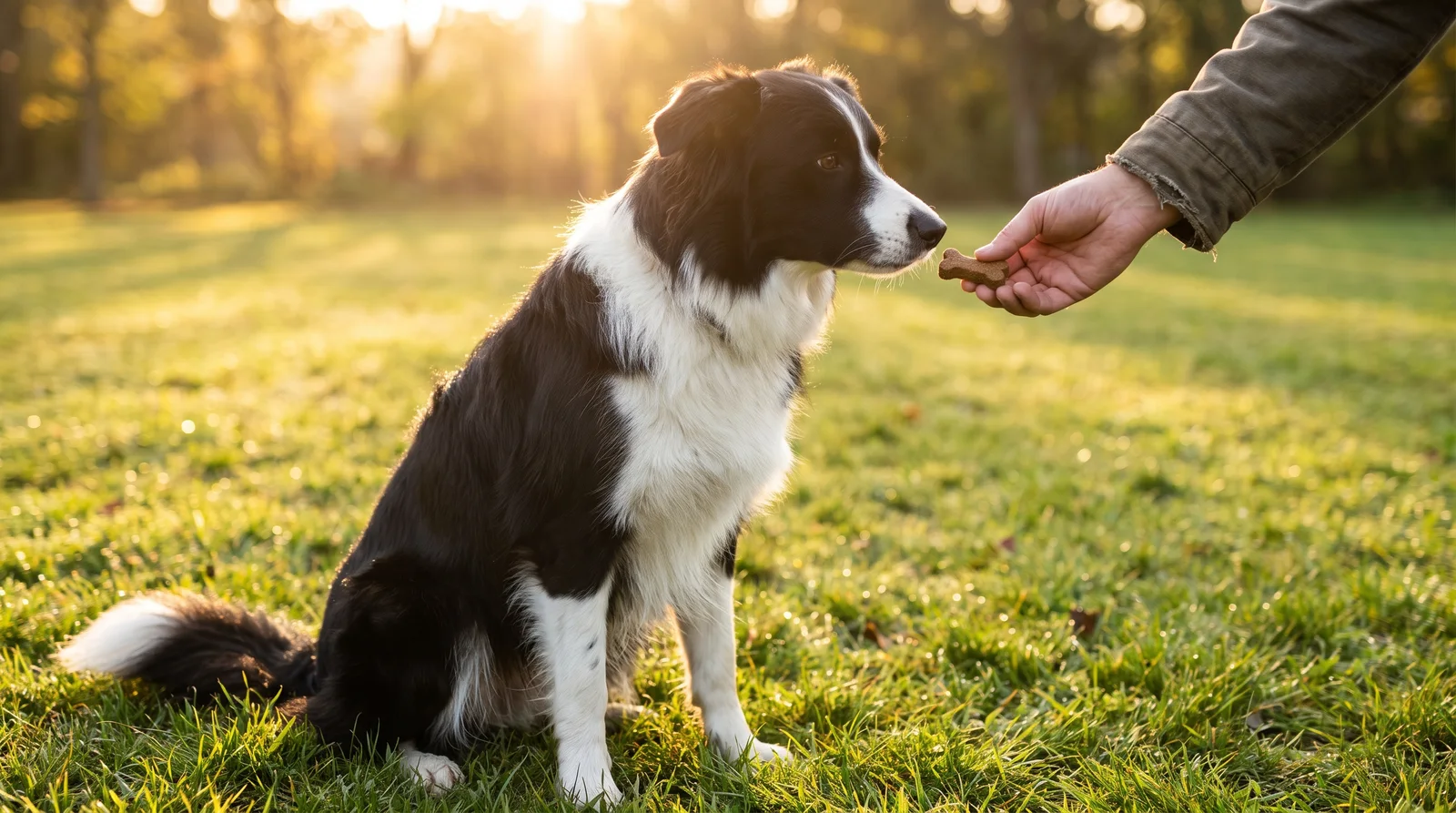
    Entrepreneur sorting sample bags of natural dog chews at a home office desk with a dog nearby

    Starting a dog treat business means making four decisions in the right order: what you will sell, who will make it, how it will be labeled, and where you will sell it. Most new pet brands that stall do so because they settle the last question first and the sourcing and labeling questions late.

    This guide walks through those decisions for a new brand selling in the US, from the first product list to the first wholesale order. It is written for entrepreneurs, Amazon sellers and retailers who want their own label without building a kitchen or a factory.

    What does it take to start a dog treat business?

    A dog treat business needs a defined product range, a compliant manufacturer, a label that meets federal and state rules, a sales channel and enough working capital to carry inventory. Dog treats are regulated as animal food in the US, so the brand owner is responsible for what is on the label and for selling a safe product, even when someone else makes it.

    In practice, a first-year brand usually looks like this: a short list of products, one manufacturing partner, one or two sales channels, and a simple operation for receiving, storing and shipping stock.

    Should you make treats yourself or work with a manufacturer?

    There are three common models. Each one changes your costs, your workload and the paperwork you carry.

    ModelHow it worksMain advantageMain burden
    Make your ownYou bake or dehydrate treats in a licensed facilityFull control over recipe and processFacility, food safety plan, equipment and labor
    Private labelA manufacturer produces to your specification and packs under your brandNo factory needed, faster to marketSupplier vetting, specifications, minimum order quantities
    Wholesale resaleYou buy finished branded products and resell themLowest setup effortLittle brand equity, thinner differentiation

    Most new brands that want their own name on the bag choose private label. If that is your route, our guide to working with a private label dog treats manufacturer covers specifications, samples and packaging decisions.

    How do you choose your first products?

    Start with products that shoppers already understand and search for. Single-ingredient natural chews such as bully sticks, beef trachea and cheek rolls are easy to explain. Freeze-dried treats suit training and meal topping. Functional soft chews, such as hip and joint or multivitamin chews, sit closer to supplements and carry extra labeling care.

    Three to five products is a manageable first range. Cover different chewing times or uses rather than five variations of the same item. Our overview of the types of natural dog chews shows how buyers group chews by texture and chewing time.

    What should a dog treat business plan include?

    A dog treat business plan does not need to be long, but it should answer these questions in writing:

    • Customer: who buys, for what kind of dog, and why your product instead of the one already on the shelf
    • Range: the first products, sizes and pack formats
    • Supply: who manufactures, where the product is stored, and how it reaches you
    • Compliance: label review, state feed registration and import documents if the product is made abroad
    • Channels: your own website, Amazon, independent pet stores, or wholesale to other brands
    • Unit economics: landed cost per unit against your target retail and wholesale prices
    • Cash: how much inventory you must buy before the first sale comes in

    Keep the numbers in the plan tied to real quotes from suppliers, freight forwarders and label printers, not to assumptions.

    Which US rules apply to a new dog treat brand?

    Dog treats are animal food under FDA oversight. The facility that makes the treats generally needs FDA food facility registration and, in most cases, must follow the FSMA Preventive Controls for Animal Food rule. Many states also require pet food products to be registered before they are sold there, and they usually follow AAFCO model regulations for labeling.

    If your treats are made outside the US, more steps apply: Prior Notice to FDA before each shipment, a Foreign Supplier Verification Program (FSVP) for the importer, and for animal-origin products, USDA APHIS requirements such as an import permit and a veterinary health certificate. Our article on FDA requirements for dog treats explains the federal side, and the USDA APHIS import permit guide covers the veterinary side.

    What goes on a dog treat label?

    A typical dog treat label includes the product name, the species it is intended for, the net quantity, a guaranteed analysis, an ingredient statement in descending order by weight, and the name and address of the manufacturer or distributor. Imported products also carry country of origin marking. Feeding directions and a calorie statement are common, and some states expect specific wording.

    Labels are one of the most common reasons a new brand has to reprint packaging. Have the label reviewed before you approve print files. See our guide to dog treat label requirements for the AAFCO points most states follow.

    What are the main pet treat startup costs?

    Startup costs vary widely with product type, order size and channel, so it is better to list the cost items and get quotes than to rely on averages. The table below shows the usual items and who can give you a real number.

    Cost itemWhat drives itWho to ask
    First inventory orderProduct type, quantity, pack formatYour manufacturer
    Samples and testingNumber of products, lab tests requestedSupplier and an independent lab
    Packaging and labelsBag type, print run, number of designsPackaging supplier or manufacturer
    Freight and customsShipping mode, volume, customs broker feesFreight forwarder and customs broker
    State registrationsNumber of states, product countEach state feed control office
    Sales channel setupWebsite, Amazon fees, retail samplesPlatform and channel partners
    Storage and fulfillmentWarehouse, 3PL or Amazon FBA3PL or Amazon Seller Central

    Ask every quote to state what is included. A low product price can look very different once packaging, testing and freight are added.

    How do you sell dog treats online?

    Most new brands sell online through their own store, Amazon, or both. Your own site gives you customer data and control of the brand story. Amazon gives you search traffic but has its own category rules and fees. Wholesale to independent pet stores and other brands is a third route, often added once the product and packaging are stable.

    Whatever the channel, the same basics apply: clear product photos, honest descriptions, ingredient and size details, and claims you can support. Avoid disease or treatment claims; for animal food, those can turn a treat into an unapproved drug in the eyes of regulators.

    Is selling dog treats profitable?

    Selling dog treats can be profitable, but margin depends on your landed cost, your channel fees and how fast the stock sells. Single-ingredient chews and freeze-dried treats can support premium pricing when quality is consistent, while commodity products compete mostly on price.

    Work out the landed cost per unit before you set prices: product, packaging, freight, duties if any, customs and testing, then channel fees. If the margin only works at a volume you cannot sell yet, start with fewer products rather than a bigger order.

    How should you plan your first order?

    A first order should be large enough to test sell-through and small enough that slow products do not tie up your cash. Confirm the specification and approved samples in writing, agree the label and packaging, and confirm the documents that will travel with the shipment before production starts.

    If the product is imported, line up a customs broker early and check how the shipment will be handled at entry. Our step-by-step guide on how to import dog treats into the USA shows the order of the paperwork.

    Chewport supplies natural chews, freeze-dried treats and functional soft chews for US brands, and can provide specifications, test reports and shipping documents on request. Browse our natural chews, freeze-dried treats and functional chews.

    Frequently asked questions

    Do I need a license to start a dog treat business?

    Requirements depend on how you operate. A facility that makes treats generally needs FDA registration, and many states require product registration before sale. Check with the feed control office in each state where you sell.

    Can I start a dog treat brand without making the treats myself?

    Yes. Many brands use a private label manufacturer that produces to their specification and packs under their brand.

    How many products should a new dog treat brand launch with?

    Many brands start with three to five products that cover different uses, such as a long-lasting chew, a lighter chew and a training treat.

    Is selling dog treats online profitable?

    It can be, depending on landed cost, channel fees and sell-through. Calculate the full cost per unit before setting prices.

    Do imported dog treats need extra paperwork?

    Usually yes: FDA Prior Notice, FSVP for the importer and, for animal-origin products, USDA APHIS requirements. Confirm the details for each product with the agencies or your customs broker.

    What should I check on my dog treat label?

    The product name, species, net quantity, guaranteed analysis, ingredient list, the responsible company name and address and, for imports, country of origin. Have the label reviewed before printing.

    Starting a dog treat brand?

    Tell us the products you have in mind, and we will send specifications and a quote.

    Request a quote
    Chewport

    The US-facing pet line of Export Partners LLC. Wholesale and private-label functional chews, natural dog chews and freeze-dried treats, sourced in Turkiye with FDA and USDA compliance handled on the supplier side.

    Company

    Export Partners LLC ↗ info@chewport.com +1 210 756 2033 San Antonio, Texas 78228, USA Amazon SPN Verified Service Provider
    © 2026 Chewport — part of Export Partners LLC, San Antonio, TX. All rights reserved.
  • Importing Pet Treats from Turkiye: Step-by-Step for US Buyers

    Importing Pet Treats from Turkiye: Step-by-Step for US Buyers

    Wholesale & private-label · US company · Supply chain outside China · FDA & USDA documentationPart of Export Partners LLC ↗
    Import guide

    Importing Pet Treats from Turkiye: Step-by-Step for US Buyers

    Turkiye is a growing source of natural dog chews for the US. Here is the import process from first quote to cleared shipment.

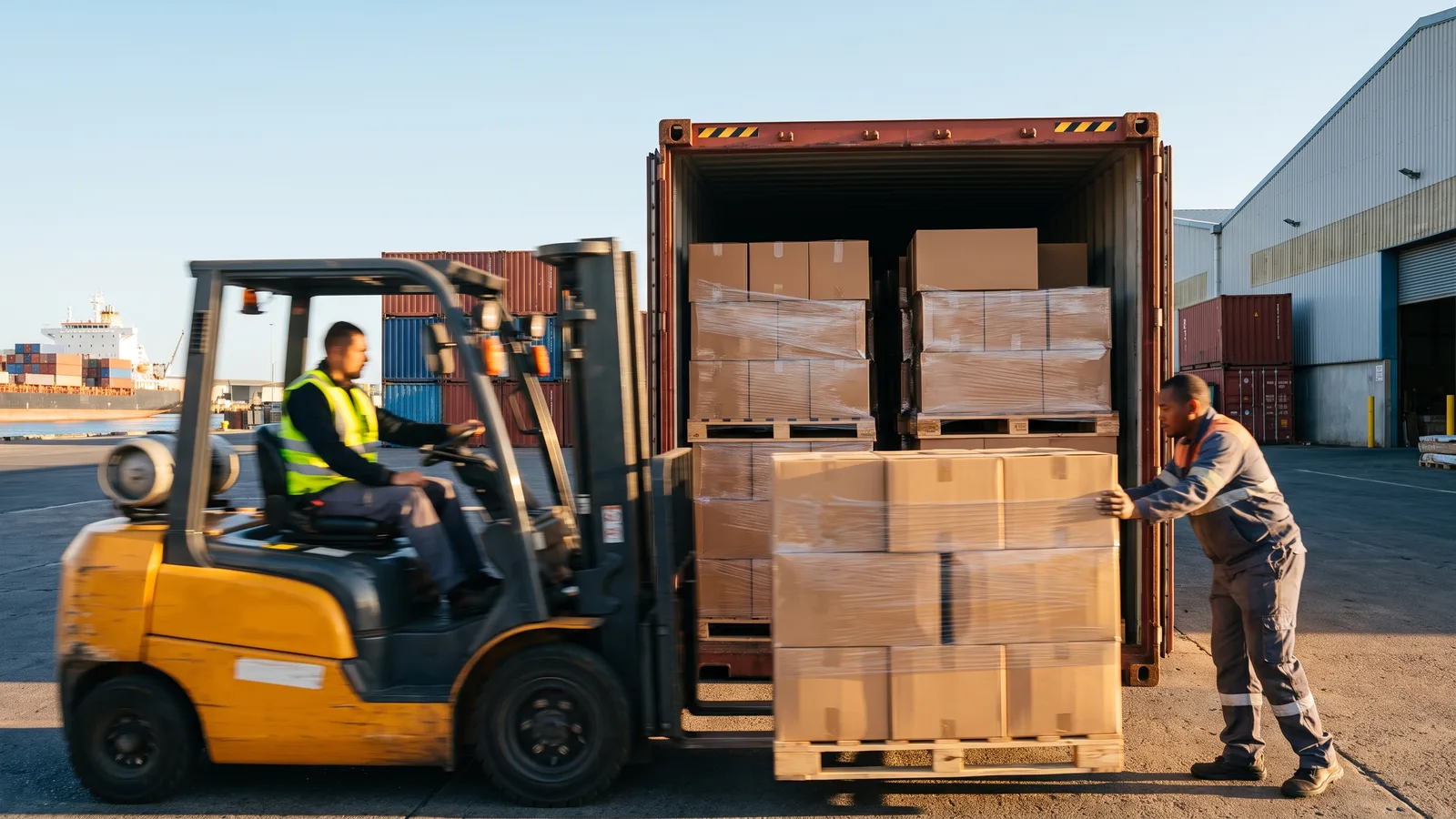
    Palletized cartons being loaded into a shipping container at a port warehouse

    Importing pet treats from Turkiye means bringing dog chews and treats produced in Turkiye into the United States under FDA and USDA rules: the supplier provides the facility and product documents, the US importer secures the USDA permit, and each shipment is announced to the FDA and cleared through US Customs. Done in the right order, the process is predictable.

    The steps below follow the order in which work actually happens on a first order. Several of them run in parallel, but the sequence matters: most delays on a first import come from a step that was started too late, not from a step that was done badly.

    Step 1: How do you qualify a supplier in Turkiye?

    • FDA facility registration
    • Approval by the Turkish Ministry of Agriculture and Forestry for pet food and animal by-product processing
    • GMP and HACCP-based food safety system
    • Product specifications and recent test reports, including Salmonella

    Ask for these documents in writing before discussing price in detail. A supplier that can send a current registration, an approval document, a sample certificate of analysis and a specification sheet within a few days is usually set up for export. It is also worth asking how the facility addresses the FDA Preventive Controls for Animal Food requirements, since many foreign facilities that export animal food to the US fall under them.

    Under the Foreign Supplier Verification Program, US importers of animal food are generally expected to verify that their foreign suppliers meet US safety standards. Your customs broker or a compliance adviser can confirm what applies to your products, and the supplier’s document pack is the starting point for that file.

    Step 2: What do you agree on for products and labels?

    Fix the product list, specifications, packing and, for private label, the label artwork. Labels need to meet FDA and AAFCO requirements and carry a country of origin marking such as "Product of Turkiye".

    A label usually needs a product name that identifies the species and part, the words that show it is for dogs, net quantity, a guaranteed analysis, an ingredient statement, and the name and address of the manufacturer or distributor. Many states also require pet treat registration. Our guide to dog treat label requirements covers the AAFCO model points in more detail. Approve the artwork before production is scheduled, since reprinting packaging is one of the most avoidable delays.

    Step 3: When should the USDA APHIS permit be secured?

    For animal-origin chews, the US importer applies for a USDA APHIS Veterinary Services import permit. Start early, because the permit should be in place before production for the order begins.

    The permit is issued to the US importer, not to the supplier, and it sets conditions that the veterinary health certificate must later match: the product description, the origin, and the processing or treatment requirements. Share the permit conditions with the supplier as soon as you have them. Processing times vary, so confirm current expectations with APHIS. Our article on the USDA APHIS import permit for pet treats walks through the application.

    Step 4: How do production and the veterinary certificate work?

    The order is produced and tested. Before shipping, the Turkish veterinary authority issues the veterinary health certificate that matches the permit conditions.

    During this step the supplier produces to the agreed specification, runs finished-product tests on each lot and prepares the commercial documents. Ask for the certificate of analysis and a draft of the veterinary certificate before the goods leave, and check that product names, lot numbers, weights and the importer details match your permit and invoice exactly. Small mismatches are easier to fix in Turkiye than at a US port.

    Kumport container terminal in Ambarli, Istanbul, with straddle carriers between container stacks

    Step 5: How are pet treats shipped from Turkiye?

    Treats travel by air or ocean. For ocean freight, the importer’s customs broker files the Importer Security Filing before loading. Moisture-barrier packaging and clear lot marking on every carton protect the product and make inspections faster.

    ModeBest forPoints to plan
    Air freightSamples, urgent launches, small first ordersHigher cost per kilo; documents must be ready before booking
    Ocean, consolidated (LCL)Medium orders that do not fill a containerMore handling; strong cartons and clear marking matter
    Ocean, full container (FCL)Regular volume ordersLowest cost per unit; Importer Security Filing before loading

    Agree on the Incoterm in the quote so both sides know who books freight and who pays which costs. Ask your forwarder or broker for current transit times on your route rather than relying on general estimates.

    Step 6: How do FDA Prior Notice and customs entry work?

    Prior Notice is filed with the FDA before arrival. A licensed customs broker files the entry with US Customs and Border Protection, usually backed by a customs bond. The FDA and USDA can review, sample or hold the shipment before release.

    The broker needs the commercial invoice, packing list, bill of lading or air waybill, the permit, the veterinary certificate and the facility registration details. Prior Notice must name the registered facility correctly, so confirm those details with the supplier in advance. If an agency asks for more information or samples, the broker coordinates the response; a complete and consistent document pack is the best way to keep that short.

    Step 7: What happens after release, and how do repeat orders work?

    After the first shipment clears, keep the document set as a template. Repeat orders move faster when specifications, labels and permit conditions stay the same.

    Note the permit’s validity period and renewal timing, keep retained samples and lot records for each shipment, and track any agency questions so they can be addressed before the next order. If you add a new product or change a formula, check whether the permit, label or registration needs updating before production.

    Which documents make up a complete import pack?

    DocumentPrepared byWhen
    FDA facility registration detailsSupplierBefore the order
    Specification and certificate of analysisSupplierSpecification before order; certificate per lot
    USDA APHIS import permitUS importerBefore production
    Veterinary health certificateTurkish veterinary authorityBefore shipping
    Commercial invoice and packing listSupplierAt shipping
    FDA Prior NoticeImporter or brokerBefore arrival
    Customs entry and bondCustoms brokerAt arrival

    What are common mistakes on a first import?

    • Starting production before the USDA permit is issued
    • Product names that differ between the invoice, certificate and permit
    • Labels without a country of origin marking
    • Cartons without lot numbers, which slows inspections
    • Choosing a customs broker after the goods have shipped

    Why buyers work with Chewport

    Chewport is part of Export Partners LLC, a US company in San Antonio, Texas, with a team on the ground in Turkiye. We work directly with the production facilities and prepare the supplier-side documents, so the US importer receives a complete, consistent document pack with every order.

    Frequently asked questions

    Can you import dog chews from Turkiye into the US?

    Yes. With an FDA-registered facility, a USDA APHIS permit where required, a veterinary health certificate and FDA Prior Notice, dog chews from Turkiye can be imported into the US.

    How long does the first import take?

    It depends mostly on the USDA permit and production time. Starting the permit early is the best way to avoid delays.

    Do I need a customs broker?

    Most importers use a licensed customs broker to file the entry, the Importer Security Filing for ocean freight and to coordinate with FDA and USDA.

    Who holds the USDA permit, the supplier or the importer?

    The US importer applies for and holds the permit. The supplier and the Turkish veterinary authority then work to its conditions when preparing the veterinary certificate.

    Should the first order go by air or ocean?

    Small first orders and samples often go by air to test the process; regular volume orders usually move by ocean. Compare total landed cost, not freight alone.

    What happens if FDA or USDA holds a shipment?

    The agency may ask for documents or samples. Your customs broker coordinates the response, and a consistent document pack usually shortens the review.

    Ready to import from Turkiye?

    Tell us your products and volumes, and we will send a quote with the document pack and the steps for your first shipment.

    Request a quote
    Chewport

    The US-facing pet line of Export Partners LLC. Wholesale and private-label functional chews, natural dog chews and freeze-dried treats, sourced in Turkiye with FDA and USDA compliance handled on the supplier side.
    Company

    Export Partners LLC ↗ info@chewport.com +1 210 756 2033 San Antonio, Texas 78228, USA Amazon SPN Verified Service Provider
    © 2026 Chewport — part of Export Partners LLC, San Antonio, TX. All rights reserved.
  • Wholesale Freeze-Dried Dog Treats: What US Buyers Should Check

    Wholesale Freeze-Dried Dog Treats: What US Buyers Should Check

    Wholesale & private-label · US company · Supply chain outside China · FDA & USDA documentationPart of Export Partners LLC ↗
    Wholesale guide

    Wholesale Freeze-Dried Dog Treats: What US Buyers Should Check

    Freeze-dried single-ingredient treats sell on simplicity. Buying them wholesale is less simple. Here is what to check before you place a bulk order.

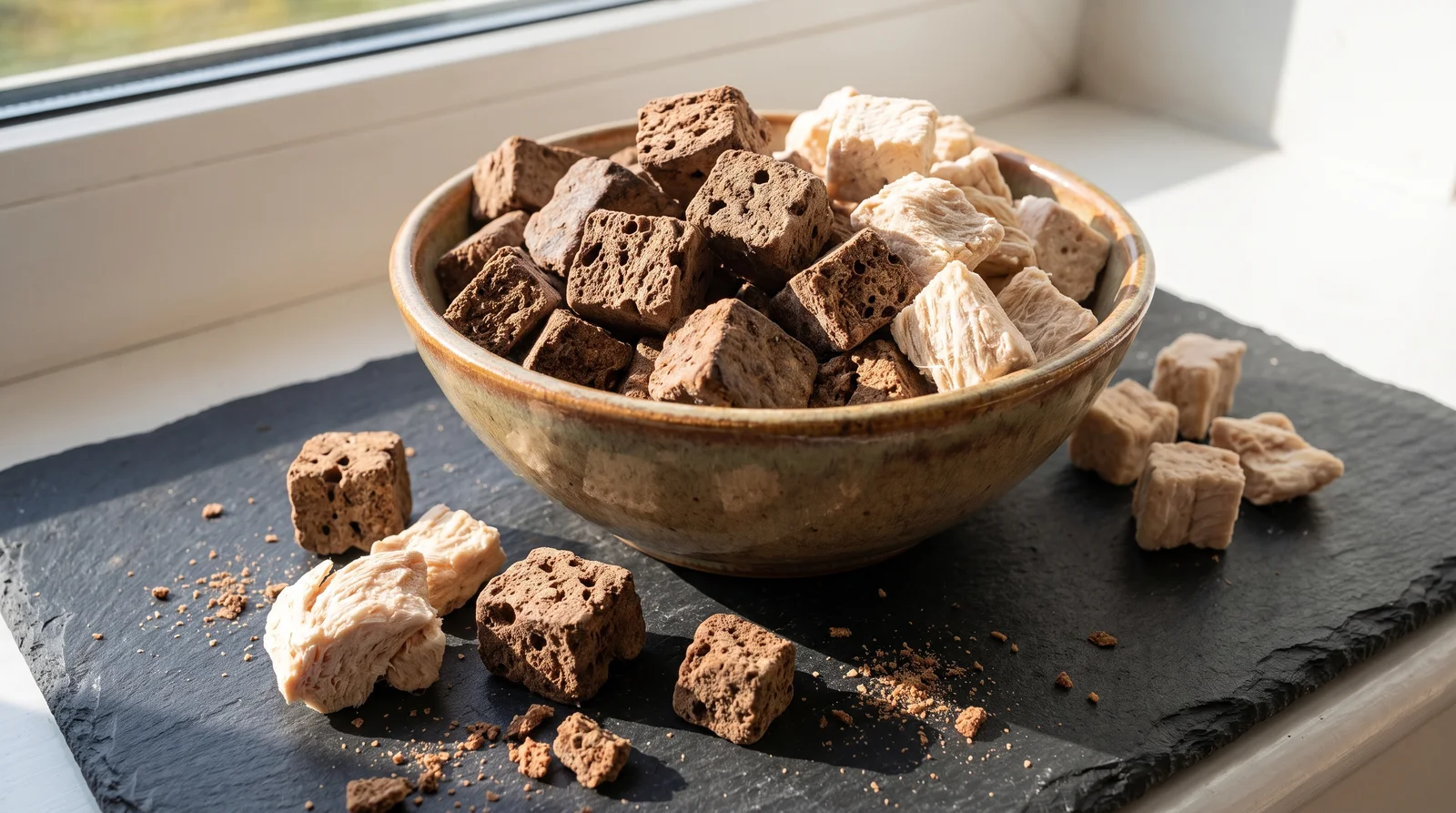
    Freeze-dried beef liver and chicken cubes for dogs in a bowl

    Freeze-dried dog treats have moved from a niche product to a standard shelf item in US pet stores and on Amazon. Most of them are single-ingredient: beef liver, chicken breast, lamb lung, salmon. That simplicity is the selling point for the end customer, but for a brand or distributor buying wholesale, the questions are about consistency, documentation and how the product travels.

    What freeze-drying actually does

    Freeze-drying removes water from raw or lightly prepared meat at low temperature under vacuum. The result is a light, shelf-stable treat that keeps much of the raw material’s colour and texture. Because the product is low in moisture, it can be stored and shipped without refrigeration, as long as the packaging keeps moisture and oxygen out.

    For a buyer, this means two things matter more than with baked treats: how dry the finished product is, and how well it is packed.

    Which freeze-dried proteins sell, and what to watch

    A wholesale range usually starts with a few proteins that cover different price points and textures. The table below is a starting point for a quote request, not a fixed list.

    ProteinTypical formatBuyer note
    Beef liverCubes or chunksA common entry product; check piece size consistency
    Chicken breastCubes or stripsLight and crumbly; packaging protects against breakage
    Lamb lungChunksVery light, so pack counts and fill weights need care
    Salmon or white fishCubes or bitesOdor and oxidation control matter; ask about barrier packaging
    Beef heart or kidneyCubesOften used to extend a single-protein line

    If you also sell long-lasting chews, our guide to natural chew types helps pair the two ranges.

    Specification: agree on it in writing

    Before the first order, ask for a product specification for each SKU. A useful spec covers the raw material and its origin, the piece size or cut, the target moisture or water activity range, the packing format and the shelf life the producer stands behind. Single-ingredient products should list exactly one ingredient; if the spec mentions additives, ask why.

    The spec is also what you compare future shipments against. Without it, a change in cut or dryness is hard to argue about.

    Test reports that matter for the US

    The FDA regulates pet treats as animal food, and it considers pet food contaminated with Salmonella to be adulterated. For raw-material-based treats, ask the supplier which microbiological tests are run on finished product, how often, and by which laboratory. Salmonella is the first item on that list; many buyers also ask about Listeria and E. coli.

    Ask to see recent reports rather than a statement that testing is done. A supplier that tests routinely will have them on file. Check that the lot numbers on the report match the lot codes on the cartons, and that the report states the method and the laboratory. More on the federal side is in our FDA requirements guide for dog treats.

    Facility registration and animal-origin paperwork

    A facility that manufactures or packs pet food for the US market needs to be registered with the FDA. Because freeze-dried treats are made from animal materials, shipments also fall under USDA APHIS rules for animal products, which can mean an import permit and a health certificate depending on the material and origin. Confirm who prepares these documents and when, before the goods are produced.

    Labeling for the US shelf

    US pet treat labels follow FDA rules and, in most states, AAFCO model regulations: product name, net quantity, ingredient statement, guaranteed analysis, the name and address of the responsible company and feeding directions where relevant. If you sell under your own brand, the label is yours to approve, so have it reviewed before the print run, not after the goods arrive.

    Freeze-dried products are light, so net quantity in ounces and grams has to be checked carefully against the actual fill weight. Our dog treat label checklist covers each required element.

    Packaging and shelf life

    Freeze-dried treats pick up moisture quickly once exposed to air. Resealable pouches with a moisture and oxygen barrier, and in many cases an oxygen absorber, are standard. Ask how the shelf life on the spec was determined and whether it assumes a specific pack. Bulk cartons for repacking need the same attention, because the product will sit in a warehouse before it is portioned.

    Pouch size also affects the customer experience. Large pouches of very light product look under-filled when the treats settle in transit, so agree on a fill level and pouch size that look right on the shelf.

    How to evaluate a freeze-dried sample

    • Dryness: pieces should be light and crisp through the center, without soft or chewy spots.
    • Color: close to the raw material, without dark burnt edges or grey patches.
    • Breakage: open a pouch after shipping and check how much has turned to crumbs.
    • Odor: a clean meat or fish smell; a rancid note, especially in fish, is a warning sign.
    • Pack check: reseal and reopen the pouch over a few days to see whether pieces soften.
    • Documents: the sample should arrive with its spec sheet and, ideally, a lot test report.

    Minimum order, lead time and private label

    Wholesale terms vary by producer and by material. Expect to agree on a minimum order per SKU, a production lead time and a payment structure. For private label, add the time needed to design and approve your packaging. Starting with a small range of two or three proteins makes it easier to test sell-through before committing to larger volumes.

    Before you sign, ask these questions in writing:

    • What is the minimum per SKU and per pack size?
    • Which tests are run on every lot, and who pays for them?
    • What shelf life do you guarantee, and in which packaging?
    • Which documents travel with each shipment?
    • How are out-of-spec lots handled?

    How Chewport works with buyers

    Chewport supplies freeze-dried and natural dog treats produced in Turkiye for US brands and distributors. We share specifications and supporting documents with qualified buyers, and we handle the FDA and USDA paperwork on the supplier side so the product arrives ready for the US market. You can see the current range on our freeze-dried treats page.

    Frequently asked questions

    Are freeze-dried dog treats raw?

    Many are made from raw meat that is freeze-dried without cooking. Ask the supplier how the product is processed and which pathogen tests are run, because that is what US regulators and retailers look at.

    Do freeze-dried treats need refrigeration?

    No, not while the pack is sealed. Once opened, they should be kept closed and dry, as the label directs.

    Can I sell freeze-dried treats under my own brand?

    Yes. Private label is common in this category. You approve the label and packaging; the producer manufactures to the agreed specification.

    Can I buy freeze-dried treats in bulk for repacking?

    Yes, many buyers order bulk cartons and pack in the US. Make sure the bulk packaging has a moisture barrier and that your repacking site follows US animal food rules for packing.

    Why does the same treat weigh differently from lot to lot?

    Freeze-dried pieces vary in size and density, so a fixed count can weigh differently. Agree whether packs are filled by weight or by count, and print the net quantity accordingly.

    Do freeze-dried treats need a USDA permit to enter the US?

    Animal-origin treats can fall under USDA APHIS import conditions depending on the material and the country of origin. Confirm the requirements for each protein with your supplier and customs broker before production.

    What is the difference between air-dried and freeze-dried treats?

    Air-dried treats are dried slowly with warm air and end up denser and chewier. Freeze-dried treats are frozen first, then the water is removed under vacuum, so they stay light and keep their shape. Both are shelf stable when packed correctly.

    Looking for a freeze-dried treat supplier?

    Tell us your proteins, pack sizes and volumes, and we will come back with a quote and the compliance steps that apply.

    Request a quote
    Chewport

    The US-facing pet line of Export Partners LLC. Wholesale and private-label functional chews, natural dog chews and freeze-dried treats, sourced in Turkiye with FDA and USDA compliance handled on the supplier side.
    Company

    Export Partners LLC ↗ info@chewport.com +1 210 756 2033 San Antonio, Texas 78228, USA Amazon SPN Verified Service Provider
    © 2026 Chewport — part of Export Partners LLC, San Antonio, TX. All rights reserved.
  • Types of Natural Dog Chews: A Wholesale Buyer’s Guide

    Types of Natural Dog Chews: A Wholesale Buyer’s Guide

    Wholesale & private-label · US company · Supply chain outside China · FDA & USDA documentationPart of Export Partners LLC ↗
    Product guide

    Types of Natural Dog Chews: A Wholesale Buyer’s Guide

    Natural dog chews cover dozens of products. Here are the main types US buyers stock, and what to check for each.

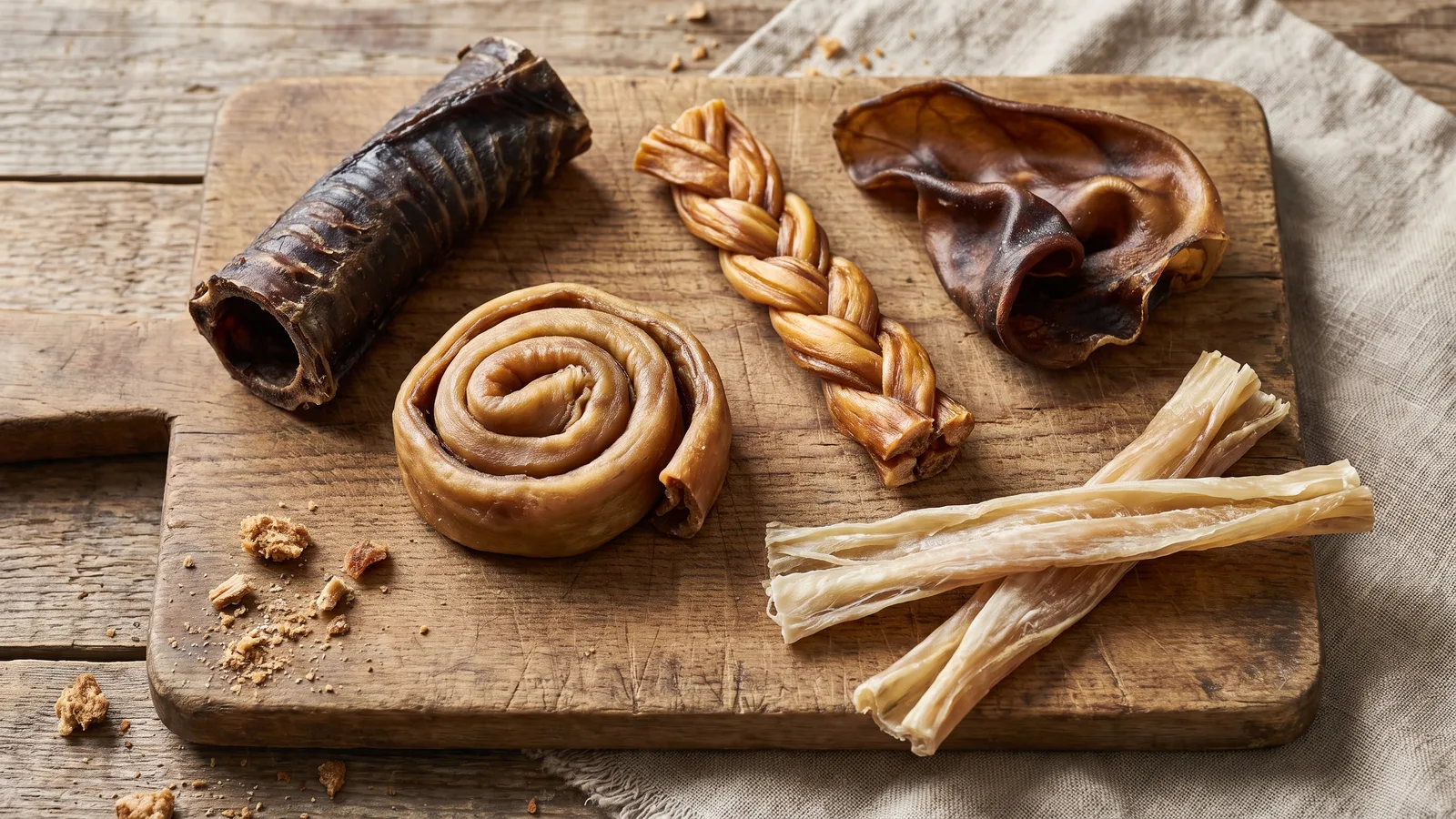
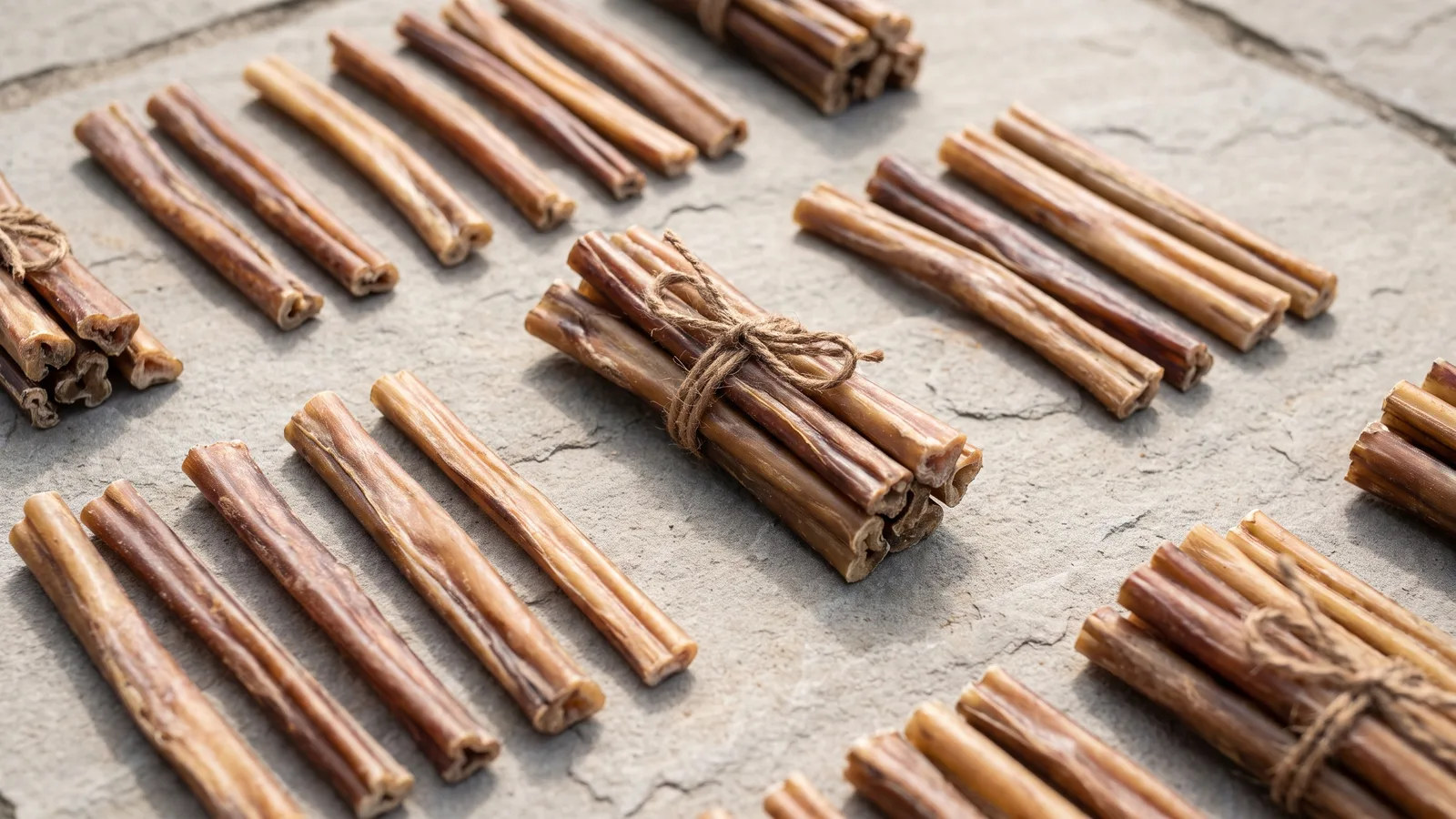
    Assortment of single-ingredient natural dog chews: trachea, cheek roll, braided pizzle, ears and tendons

    Natural dog chews are single-ingredient or minimally processed chews made from animal parts such as beef pizzle, trachea, cheek, ears and tendons, dried or baked without artificial additives. For a wholesale buyer, the range is wide, and each type has its own sizing, texture and documentation points.

    This guide groups the main types by species and chewing time, explains what to specify for each, and shows how US brands usually build a first range without overcommitting on volume.

    Which beef chews are most common?

    • Bully sticks: beef pizzle, straight, braided or ring-shaped, sold by length and thickness
    • Beef trachea: a lighter, crunchier chew, often sold whole or in pieces
    • Beef cheek rolls: rolled cheek meat, a long-lasting chew
    • Beef ears: a softer chew for smaller dogs
    • Tendons: dense, long-lasting chews

    Bully sticks are usually the anchor product because demand is steady and shoppers know the name. If they are the first item on your list, our guide to choosing a wholesale bully sticks supplier covers grading and testing in detail.

    Why add lamb and goat chews?

    Lamb and goat chews, such as ears, horns and lung pieces, offer alternative proteins for dogs that do better without beef. They are also a way for brands to build a broader range from one supplier.

    Alternative proteins also help on the shelf. A range that offers beef, lamb and goat options can speak to owners who rotate proteins or who are looking for a novel protein, without the brand needing several suppliers. When adding these items, ask the supplier which species and parts are available year-round, since some by-products depend on seasonal slaughter volumes.

    How do natural chews compare on texture and chewing time?

    Buyers usually group chews by how long they last: light chews such as ears and lung, medium chews such as trachea, and long-lasting chews such as bully sticks, cheek rolls and tendons. A balanced range covers all three. For head-to-head comparisons, see beef trachea vs bully sticks, collagen sticks vs bully sticks and cow ears vs pig ears.

    ChewSpeciesTextureChewing timeTypical buyer
    Bully stickBeefFirm, denseLongCore range, all dog sizes by thickness
    Cheek rollBeefFirm, layeredLongStrong chewers
    TendonBeefVery denseLongMedium and large dogs
    TracheaBeefCrunchy, hollowMediumMid-price range
    EarsBeef, lamb, goatSofter, thinShortSmall dogs, light treat
    Lung piecesBeef, lambLight, airyShortTraining and small dogs
    HornGoatHardLongAlternative long-lasting option

    Chewing time depends on the dog, the size of the piece and the drying method, so use these groupings as a starting point and confirm with samples.

    Where do freeze-dried treats fit next to natural chews?

    Freeze-dried treats are a different category: meat, organ or fish pieces with the water removed at low temperature, usually used as training rewards or meal toppers rather than long-lasting chews. Many brands stock both because they serve different moments in the day. If you plan to add them, expect different specification points, such as residual moisture, piece size and oxygen and moisture barrier packaging.

    What should you check for every type of natural chew?

    • A single-ingredient specification with size, weight and moisture
    • Finished-product test reports, including Salmonella
    • FDA facility registration
    • USDA APHIS permit and veterinary health certificate for animal-origin products
    • Labeling that names the exact part and species

    The same checklist applies to every product in the range, but the details differ. Ears and lung are thin and dry quickly; tendons and cheek rolls are dense and need longer drying to reach a stable moisture level. Ask the supplier for the target moisture per product, not one figure for the whole range, and make sure each test report is tied to a lot number that appears on the carton.

    How should each chew be specified?

    A clear specification protects both sides. For each SKU, agree on the following before the first order:

    • Species and part, named exactly as they will appear on the label
    • Size: length, width or diameter, with tolerances
    • Weight range per piece, or net weight per bag for pieces
    • Moisture target and test method
    • Color and surface appearance, with reference photos
    • Packing: pieces or weight per carton, carton marking, pallet pattern
    • Shelf life and storage conditions

    Reference photos with a ruler in the frame are simple and very effective. They become the standard you compare every future shipment against.

    How should natural chews be packed and stored?

    Natural chews are dried products, so the main risks in storage are moisture uptake, mold and breakage. Bulk cartons for repacking should carry a liner or inner bag, a lot number and a production or best-before date on every carton. Retail packs work best in resealable pouches with a moisture barrier, and some products such as ears and lung benefit from rigid packs or careful cartoning because they break easily.

    Ask the supplier how the stated shelf life was set, which pack it applies to, and what storage conditions are assumed. A shelf life tested in a sealed barrier pouch does not automatically carry over to a paper bag or a shrink-wrapped bundle. Store cartons off the floor, away from heat and humid walls, and rotate stock by lot.

    How do you evaluate samples across a range?

    When samples of several products arrive at once, evaluate them in the same way so the comparison is fair. Measure and weigh a set of pieces, check color consistency, note the smell after the pack has been sealed for a few days, and test how each product breaks or splinters. If you work with a retail partner or a small group of customers, short feedback on palatability and chewing time is useful before you fix the launch list.

    How do US brands build a first natural chew range?

    Most US brands start with three to five products: one bully stick format, one long-lasting chew and one or two lighter chews. Starting small makes it easier to test sell-through before larger orders.

    A simple starting structure might look like this: a 6 inch bully stick as the anchor, a cheek roll or tendon for strong chewers, beef ears or lung for small dogs, and one lamb or goat item as an alternative protein. Once sell-through data comes in, add sizes or bundles to the products that move fastest.

    What are common mistakes when sourcing natural chews?

    • Launching too many SKUs before sell-through is known
    • Using generic names such as “beef chew” instead of the exact part on the label
    • Ordering lamb or goat items without checking year-round availability
    • Planning production before the USDA permit conditions are confirmed
    • Treating all products as having the same moisture and shelf life

    Labeling deserves its own review. Our article on dog treat label requirements explains the AAFCO model labeling points that many states follow.

    Chewport supplies natural beef, lamb and goat chews and freeze-dried treats from partner facilities in Turkiye. See our natural chews range.

    Frequently asked questions

    What counts as a natural dog chew?

    A chew made from a single animal part, or a minimally processed product, without artificial additives.

    Which natural chews last longest?

    Bully sticks, cheek rolls and tendons are usually the longest-lasting; ears and lung pieces are lighter.

    Do all natural chews need USDA paperwork?

    Animal-origin chews from many countries need a USDA APHIS permit and veterinary health certificate. Check the requirements for each product and origin.

    How many products should a first order include?

    Many brands start with three to five products covering light, medium and long-lasting chews. That keeps the first order manageable and gives clear sell-through data.

    Can one supplier provide beef, lamb and goat chews?

    Often yes. Ask which items are available year-round and whether each product comes with its own specification and test reports.

    How should natural chews be labeled?

    With the exact species and part, a guaranteed analysis, ingredient statement, net quantity, the responsible company’s name and address and the country of origin. Check state registration rules where you sell.

    Are natural chews an alternative to rawhide?

    Many single-ingredient chews, such as bully sticks, trachea, ears and collagen rolls, are sold as rawhide-free alternatives. They are made from one animal part and dried, rather than from processed hide sheets. Our comparison of collagen sticks vs bully sticks covers the closest case.

    How should a chew range be sized?

    Most brands group sizes by dog weight bands and print a size guide on the pack. For wholesale, agree length, thickness and weight range for each band with the supplier, so the size guide on your label matches what is in the bag.

    Building a natural chew range?

    Tell us the products you want to start with, and we will send specifications and a quote.

    Request a quote
    Chewport

    The US-facing pet line of Export Partners LLC. Wholesale and private-label functional chews, natural dog chews and freeze-dried treats, sourced in Turkiye with FDA and USDA compliance handled on the supplier side.
    Company

    Export Partners LLC ↗ info@chewport.com +1 210 756 2033 San Antonio, Texas 78228, USA Amazon SPN Verified Service Provider
    © 2026 Chewport — part of Export Partners LLC, San Antonio, TX. All rights reserved.
  • Wholesale Bully Sticks: How to Choose a Supplier

    Wholesale Bully Sticks: How to Choose a Supplier

    Wholesale & private-label · US company · Supply chain outside China · FDA & USDA documentationPart of Export Partners LLC ↗
    Product guide

    Wholesale Bully Sticks: How to Choose a Supplier

    Bully sticks are one of the best-selling natural chews in the US. Buying them wholesale is about consistency, documentation and honest specifications.

    Natural bully sticks of uniform length arranged for wholesale

    Wholesale bully sticks are single-ingredient dog chews made from dried beef pizzle, sold in bulk to brands, distributors and retailers. They are a high-demand product in the US, and because the raw material is natural, the difference between suppliers shows up in consistency, safety testing and documentation.

    This guide walks through what a US buyer should specify, test and ask before placing a first wholesale order, and how to compare suppliers on more than price per piece.

    What is a bully stick?

    A bully stick is made from a single ingredient: beef pizzle, cleaned, shaped and dried or baked. Variants include straight sticks, braids, rings and odor-reduced versions. Our guide to odor-free bully sticks explains what low odor means and how to specify it. Because there is only one ingredient, the quality of the raw material and the drying process decide the result.

    Bully sticks sit in the long-lasting segment of natural chews, next to cheek rolls and tendons. If you are building a wider range, our overview of types of natural dog chews shows where they fit against lighter chews such as ears and lung.

    Which bully stick formats do US buyers stock?

    Most US ranges are built from a small set of formats. Each format has its own processing steps and its own points to agree on with the supplier.

    FormatTypical useWhat to specify
    Straight sticksCore retail item, sold singly or in packsLength, thickness grade, weight range per piece
    Braided sticksPremium, longer chewing timeNumber of strands, braid tightness, finished length
    Rings and shapesGift and seasonal rangesDiameter, closure method, weight
    Odor-reduced sticksBuyers who want indoor-friendly chewsCleaning and drying method, how odor is assessed
    Bites and piecesTraining and small dogs, use of off-cutsPiece size range, weight per bag

    How should sizing and grading be specified?

    US retail usually sells bully sticks by length, such as 6 inch and 12 inch, and by thickness grades. Agree on length tolerance, thickness grade and weight range in your specification. Without that, cartons can vary from shipment to shipment.

    A practical specification states three things for each SKU: the nominal length and the accepted tolerance, the thickness grade with a measurable definition (for example a diameter range or weight per inch), and the pieces per carton or net weight per carton. If you sell by count, define how undersized or broken pieces are handled. If you sell by weight, define the minimum piece length so a bag is not filled with short ends.

    Ask the supplier to photograph a reference set for each grade next to a ruler. That set becomes the shared standard for every future shipment and makes disputes much easier to resolve.

    Why do odor and moisture matter?

    Odor depends on cleaning and drying. Odor-reduced sticks take longer to process. Moisture affects shelf life and weight; ask for the target moisture range and how it is measured.

    Moisture has a commercial side as well. A stick that is sold by weight but carries extra moisture costs you more per usable piece, and a stick that is too moist can develop mold in storage. A stick that is over-dried may become brittle and splinter. Agree on a target range, the test method and how often it is checked, and ask to see results in the batch report rather than only in the general specification.

    What safety testing should a bully stick supplier provide?

    Bully sticks are handled by people at home, so pathogen control matters. Ask for certificates of analysis that include Salmonella testing on finished product, and ask how often testing is done. The FDA considers pet food contaminated with Salmonella to be adulterated.

    When you review a certificate of analysis, check that it names the product, the lot number and the production date, that the lot number matches the carton marking, and that the laboratory and test method are identified. A report that cannot be tied to a specific lot is of limited use if a question comes up later.

    • Salmonella on finished product, per lot or at an agreed frequency
    • Moisture, and where relevant water activity
    • Any other microbiological tests your retailer or distributor requires
    • A description of the kill step in the process, such as the drying or baking conditions

    The supplier’s facility should also run a written food safety plan. For animal food sold in the US, FDA rules under the Food Safety Modernization Act, including the Preventive Controls for Animal Food requirements, apply to many facilities, foreign facilities included. Ask the supplier how its plan covers pathogen control and how records are kept.

    Which import documents do bully sticks need?

    Because bully sticks are of bovine origin, imports from many countries require a USDA APHIS import permit and a veterinary health certificate, in addition to FDA facility registration and Prior Notice for each shipment. Confirm who prepares each document before the order is placed.

    DocumentWho usually handles itNote
    FDA food facility registrationProducing facilityAsk for the registration details before ordering
    USDA APHIS import permitUS importerApply early; conditions vary by product and origin
    Veterinary health certificateExporting country’s veterinary authorityMust match the permit conditions
    FDA Prior NoticeImporter or customs brokerFiled for each shipment before arrival
    Customs entryLicensed customs brokerFiled with CBP, usually with a customs bond

    Requirements change and depend on the exact product and origin, so confirm current conditions with USDA APHIS and your customs broker. The full sequence is covered in our article on the USDA APHIS import permit for pet treats.

    What packing options exist for wholesale and private label?

    • Bulk cartons for repacking, with lot numbers on every carton
    • Retail-ready pouches or shrink-wrapped bundles under your brand
    • Moisture-barrier packaging and clear storage instructions

    For private label, the supplier packs to your approved artwork. Your label still needs to meet US requirements, including a product name, net quantity, ingredient statement, guaranteed analysis, the name and address of the responsible company and a country of origin marking. Many states also require pet treat registration before sale.

    How do you evaluate bully stick samples?

    A sample shipment is the cheapest way to avoid an expensive first order. Treat it as a test, not a formality.

    • Measure a set of pieces against the agreed length and thickness grades
    • Weigh pieces and compare against the specification
    • Check color and surface consistency across the set
    • Smell the product after it has been sealed for a few days
    • Bend test a few pieces for brittleness or splintering
    • Check that the sample comes with a batch report and lot number

    Keep a few reference pieces from the approved sample. When the first full order arrives, compare them side by side.

    What are common mistakes when buying bully sticks wholesale?

    • Comparing quotes on price per piece without matching size, grade and weight
    • Placing the order before the USDA permit is in place
    • Accepting a general specification without lot-level test reports
    • Leaving label review until the packaging is already printed
    • Skipping moisture-barrier packaging to save cost, then losing stock in storage

    Supplier checklist

    • Single-ingredient specification with size, grade and moisture
    • FDA facility registration
    • Batch test reports including Salmonella
    • USDA and veterinary certificate support
    • Sample shipment before the first full order

    Questions worth asking in the first call: how raw material is sourced and inspected, how many grades the facility runs, how lots are numbered, how often finished product is tested, which documents come with each shipment, and how claims about out-of-specification cartons are handled.

    Chewport supplies bully sticks and other natural chews from partner facilities in Turkiye, with the document pack and samples available to qualified buyers.

    Frequently asked questions

    What are bully sticks made of?

    A single ingredient: beef pizzle, cleaned and dried or baked.

    Do imported bully sticks need a USDA permit?

    Usually yes when they come from countries with livestock diseases exotic to the US. The importer holds the permit and each shipment travels with a veterinary health certificate.

    Can I sell bully sticks under my own brand?

    Yes. Private label is common; you approve the label and packaging, the producer works to the agreed specification.

    How do I compare bully stick quotes from different suppliers?

    Compare like for like: the same length, thickness grade, weight range, packing and documents. A lower price per piece often reflects a thinner grade or looser tolerance.

    What test reports should come with each shipment?

    At minimum a certificate of analysis tied to the lot number, including Salmonella on finished product and moisture. Your distributor or retailer may ask for more.

    Are odor-free bully sticks completely odorless?

    Usually not. Odor-reduced sticks are processed to lower the smell, but some natural odor remains. Evaluate samples after they have been sealed for a few days.

    How are bully sticks made?

    The raw pizzle is cleaned, shaped or braided, dried or baked, then cut, graded by length and thickness and packed. Each step affects odor, color and consistency, which is why buyers ask for the process description.

    How long does a bully stick last?

    It depends mainly on thickness, length and format, and on how strongly the dog chews. Thick and braided sticks last longest. For a range, specify thickness grades so each size band gives a predictable chew time.

    Why do bully sticks vary in thickness and color?

    The raw material is natural, so thickness differs from animal to animal, and drying temperature and time change the color. Grading by weight or thickness and an agreed tolerance keep packs consistent. Uniform color across every piece is not a sign of quality on its own.

    Looking for a bully stick supplier?

    Tell us sizes, grades and volumes, and we will send a quote and samples.

    Request a quote
    Chewport

    The US-facing pet line of Export Partners LLC. Wholesale and private-label functional chews, natural dog chews and freeze-dried treats, sourced in Turkiye with FDA and USDA compliance handled on the supplier side.
    Company

    Export Partners LLC ↗ info@chewport.com +1 210 756 2033 San Antonio, Texas 78228, USA Amazon SPN Verified Service Provider
    © 2026 Chewport — part of Export Partners LLC, San Antonio, TX. All rights reserved.
  • Why US Pet Brands Source Natural Chews from Turkiye

    Why US Pet Brands Source Natural Chews from Turkiye

    Wholesale & private-label · US company · Supply chain outside China · FDA & USDA documentationPart of Export Partners LLC ↗
    Market view

    Why US Pet Brands Source Natural Chews from Turkiye

    US pet brands source natural dog chews from Turkiye for a broad protein base, single-ingredient products and a US-ready compliance chain.

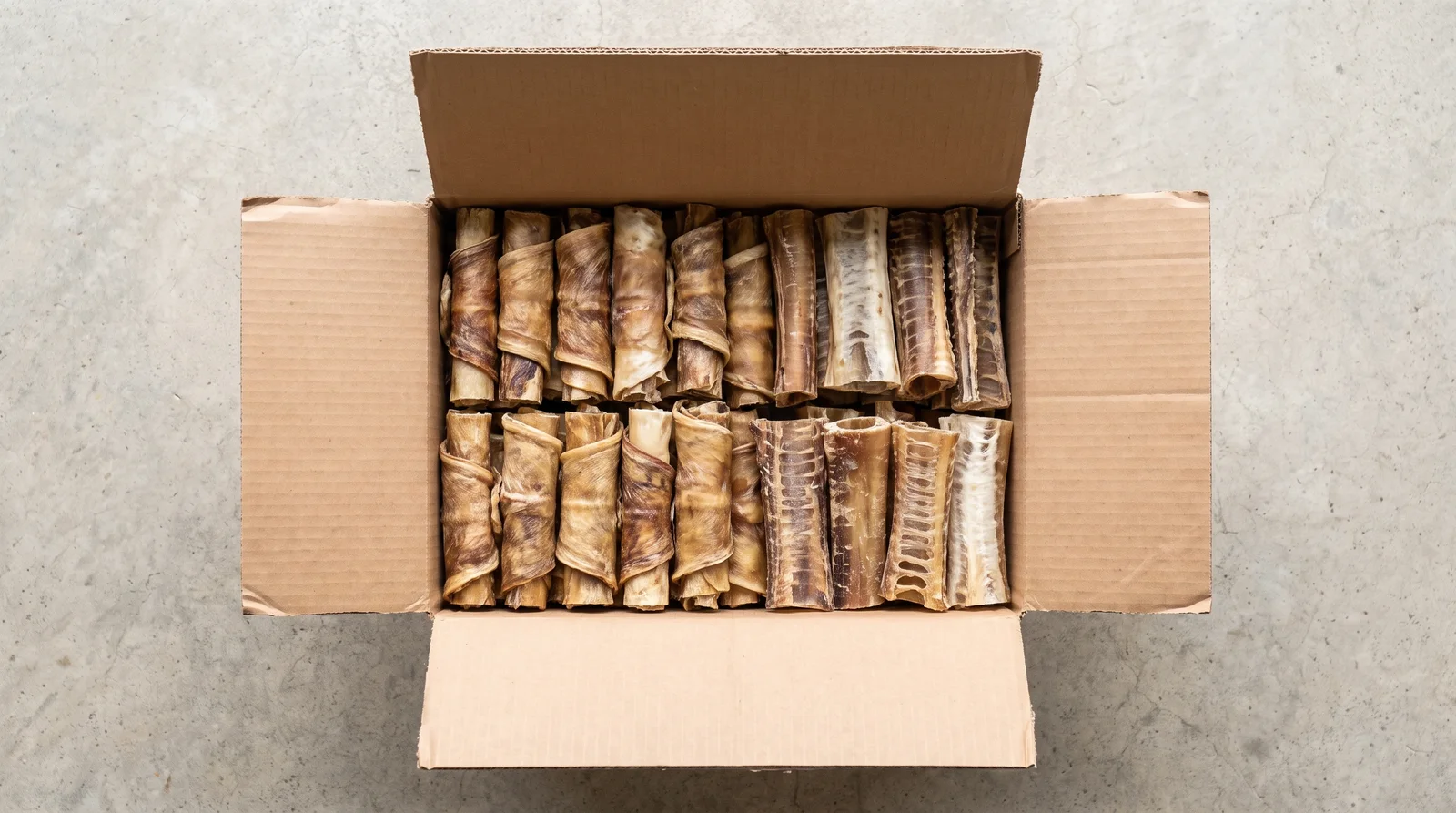
    Wholesale carton packed with beef cheek rolls and beef trachea dog chews

    US pet brands increasingly source natural dog chews from Turkiye, and the reasons are practical rather than sentimental: a broad protein base, single-ingredient products, real manufacturing capacity and a supply chain that already understands US paperwork.

    This page sets out those reasons in a way a buyer can check, and it is honest about what to verify. Sourcing from any country only works if the specific facility you choose meets your spec and documentation needs, so the second half of the page is a practical evaluation checklist.

    A wide protein base in one place

    Turkiye’s livestock base means beef, lamb, goat, buffalo and even camel chews come from the same supply region. For a brand building a range, sourcing bully sticks, braided skins and organ chews from one partner simplifies both buying and compliance.

    ProteinTypical chew formatsBuyer note
    BeefBully sticks, braided skins, trachea, cheek rolls, tendonsThe core of most US chew ranges
    LambSkin rolls, ears, tripeOften positioned for smaller dogs or as a novel protein
    GoatEars, skins, hornsNovel protein appeal; confirm permit coverage by species
    BuffaloSkins, cheek chewsSimilar formats to beef with a different positioning
    CamelSkins and other specialty chewsNiche protein; check retailer demand before large orders

    For a format-by-format comparison, see our guide to the types of natural dog chews.

    Single-ingredient by default

    The category that sells best in the US, clean single-ingredient chews, is exactly what this supply base does well: pizzles, skins, tripe and lungs with nothing added. That makes labeling honest and marketing straightforward.

    Single-ingredient products also simplify the regulatory side. The ingredient statement is one line, the product description on the invoice, the health certificate and the label can match word for word, and there are fewer questions at entry about added materials.

    Manufacturing capacity, not a middleman

    Working directly with a production facility, rather than through a broker, means better control of spec, packaging and lead time. It also means the compliance documentation comes from the party that actually made the product.

    Container terminal at Ambarli Port, Istanbul, with gantry cranes and container trucks

    Compliance readiness

    The practical advantage is a partner that has already handled FDA facility registration and USDA APHIS documentation for the US. A brand that sources here spends its time on selling, not on learning export regulation from scratch.

    Even so, readiness is something to verify, not assume. Ask for the facility’s FDA registration details, a process description you can use for your APHIS import permit, and a sample of the veterinary health certificate it has used for previous US shipments. Our step-by-step guide to importing pet treats from Turkiye shows where each document fits.

    How goods move from Turkiye to the US

    Most chew orders move by sea in containers from major ports in Turkiye such as Mersin on the Mediterranean or Ambarli near Istanbul. Smaller trial orders can go as part of a shared container, and samples usually travel by air. Transit time depends on the route and the carrier, so ask your forwarder for current schedules rather than relying on a fixed number.

    Dried chews are shelf-stable and ship without refrigeration when packed properly, which keeps freight simple. Ask for packaging that protects against moisture during a sea voyage, especially for long transit routes.

    Plan the shipment around the documents, not the other way round. The veterinary health certificate is issued for each shipment, and the FDA Prior Notice has to be filed before arrival, so your forwarder, your broker and the supplier should share the booking details as soon as they are confirmed.

    What to compare when choosing a sourcing country

    FactorWhat to check with any supplier
    Raw materialSpecies available, consistency of supply through the year
    ProcessingDrying method, moisture control, size grading
    DocumentationFDA registration, test reports, health certificate experience
    PackagingPrivate-label printing, barrier pouches, carton specs
    LogisticsPort access, container and shared-container options
    CommunicationResponse time, written specs, English documentation

    These factors matter more than the country name. A strong facility in any origin beats a weak one, so use the table as a scorecard across your shortlist.

    Common concerns US buyers raise, and how to answer them

    Buyers new to sourcing from Turkiye tend to ask the same questions. Most of them can be answered with documents rather than promises.

    • Consistency between lots: ask for a written spec with size and moisture ranges, and compare samples from different lots.
    • Food safety: ask for recent finished-product test reports, including Salmonella, and the laboratory used.
    • Border risk: ask for a draft document pack and have your customs broker review it before the first shipment.
    • Communication: agree on one point of contact and keep specs, artwork and approvals in writing.
    • Payment terms: clarify deposits, balance timing and what happens if a lot is out of spec.

    None of these are unique to Turkiye. They are the same checks a careful buyer applies to any overseas chew supplier, and a supplier that handles them well will usually say so in writing without being pushed.

    If a supplier cannot answer one of these points, that is not always a dealbreaker, but it tells you where to focus your first-order checks. A gap in testing, for example, can be closed by agreeing on a laboratory and a test plan before production.

    What a US buyer typically starts with

    Most brands begin with a small trial across a few SKUs, such as a braided beef chew, a lamb skin roll and a bully stick, confirm the market response, then scale to container volumes on the same spec.

    Brands that also want a treat line often add one or two freeze-dried single-ingredient treats to the same trial, so they can test both categories with one supplier relationship.

    How to evaluate a Turkiye-based chew supplier

    • Ask for a written spec and recent test reports for each SKU you are considering.
    • Request samples from more than one lot and compare them against the spec.
    • Confirm FDA facility registration details and who acts as the facility’s US agent.
    • Ask which documents come with every shipment and request a draft set.
    • Check whether the supplier can print your private-label artwork and how long packaging takes.
    • Agree on how out-of-spec lots are handled before the first order.

    Our full range is listed on the natural chews page.

    Frequently asked questions

    What are the most popular chew types for the US market?

    Bully sticks, braided skins and collagen-style chews travel well and sell consistently. If you are choosing between the two most common sticks, our collagen sticks vs bully sticks comparison sets out the differences. A short trial across a few SKUs is the usual way to find the right mix.

    Is single-ingredient really important to US buyers?

    Yes. US pet owners increasingly read labels, and a one-ingredient chew is easier to trust and easier to market than a compound product.

    Do you supply both chews and freeze-dried treats?

    Yes. The same partner can supply natural chews and freeze-dried single-ingredient treats, which lets a brand build a fuller range from one source.

    Do chews from Turkiye need a USDA permit?

    Animal-origin chews generally fall under USDA APHIS import conditions, which commonly require an import permit held by the US importer and a veterinary health certificate for each shipment. Confirm the conditions for your products before production.

    How should the country of origin appear on the pack?

    Imported products need a clear country of origin marking, for example “Product of Turkiye”, placed where the end buyer can see it.

    Can I start with less than a full container?

    Yes. Many buyers start with a pallet or a shared container to test a few SKUs, then move to full containers once sell-through is confirmed.

    Talk to a supplier, not a broker

    Tell us your product group, target market and volumes, and we will come back with a quote and the compliance steps that actually apply.

    Request a quote
    Chewport

    The US-facing pet line of Export Partners LLC. Wholesale and private-label functional chews, natural dog chews and freeze-dried treats, sourced in Turkiye with FDA and USDA compliance handled on the supplier side.

    Company

    Export Partners LLC ↗ info@chewport.com +1 210 756 2033 San Antonio, Texas 78228, USA Amazon SPN Verified Service Provider
    © 2026 Chewport — part of Export Partners LLC, San Antonio, TX. All rights reserved.
  • Dog Treat Label Requirements in the US: FDA and AAFCO Checklist

    Dog Treat Label Requirements in the US: FDA and AAFCO Checklist

    Wholesale & private-label · US company · Supply chain outside China · FDA & USDA documentationPart of Export Partners LLC ↗
    Labeling guide

    Dog Treat Label Requirements in the US: FDA and AAFCO Checklist

    A compliant dog treat label is a short list of required elements. Missing one can stop a product at the border or on a retailer’s desk.

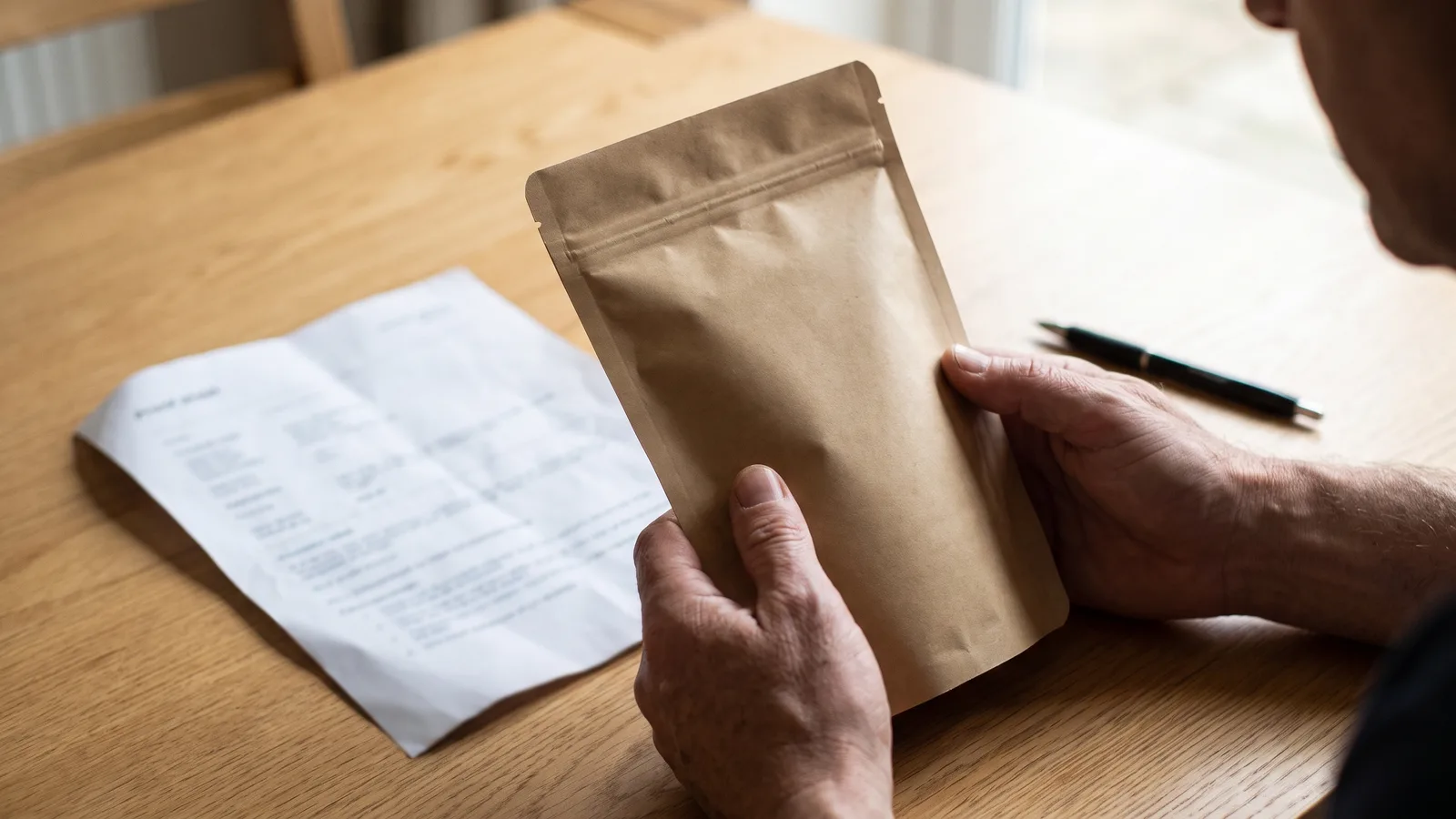
    Dog treat pouch next to a label proof sheet during label review

    Dog treat label requirements in the US are the federal FDA labeling rules for animal food combined with the AAFCO model regulations that most states adopt. Together they define what must appear on a pet treat package: what the product is, who it is for, how much is inside, what it is made of and who stands behind it.

    Who sets the rules

    The FDA sets federal labeling requirements for animal food. AAFCO, the Association of American Feed Control Officials, publishes model regulations that states use for pet food and treat labels. In practice, a label built to AAFCO model regulations and FDA rules works across most states.

    Enforcement at the point of sale is usually done by state feed control officials, and many states expect pet food and treat products to be registered before they are sold there. Some review the label as part of registration, so a clean label speeds up market entry state by state. The federal side of treat compliance is covered in our FDA requirements guide for dog treats.

    The core label elements

    • Product name, which must not mislead about the ingredients
    • Species statement, for example "for dogs"
    • Net quantity, in US customary and metric units
    • Guaranteed analysis: minimum crude protein and crude fat, maximum crude fiber and moisture
    • Ingredient statement, in descending order by weight
    • Name and address of the manufacturer or distributor
    • Feeding directions where appropriate
    • Nutritional statement: treats not intended as complete food are commonly labeled for intermittent or supplemental feeding

    Where each element goes on the pack

    AAFCO model regulations separate the front of the pack, the principal display panel, from the information panel. The exact placement rules are detailed, so use this table as a guide and confirm against the current AAFCO model regulations or with a label reviewer.

    ElementUsual placementExample for a single-ingredient beef chew
    Product namePrincipal display panelBeef Trachea Dog Chews
    Species statementPrincipal display panelFor dogs
    Net quantityPrincipal display panel, lower areaNet Wt 8 oz (227 g)
    Guaranteed analysisInformation panelCrude Protein (min), Crude Fat (min), Crude Fiber (max), Moisture (max), values from the spec
    Ingredient statementInformation panelIngredients: Beef trachea
    Feeding directions and statementInformation panelFor intermittent or supplemental feeding only
    Name and addressInformation panelYour company as distributor, with city, state and ZIP code
    Country of originVisible to the buyerProduct of Turkiye

    The net weight in the example is illustrative only. Every number on the label should come from your own specification and fill weights.

    Where guaranteed analysis numbers come from

    Guaranteed analysis values are minimums or maximums that the product must meet in every lot, not averages from a single test. They should be based on laboratory analysis of the actual product, with a margin that reflects normal variation between lots. Ask the producer for analysis results from several lots before you fix the numbers.

    If the label says a minimum protein and a later lot tests below it, the product is out of compliance with its own label. That is why the label values, the spec sheet and the supplier’s test plan should all use the same figures.

    For freeze-dried or very dry chews, moisture is the value that most often surprises buyers. Products absorb moisture after packing, so the maximum moisture on the label should reflect the finished product as it reaches the shelf, not only the reading straight out of the dryer.

    Single-ingredient products

    Single-ingredient chews are simple to label but still need every element above. The product name and ingredient statement should match exactly; a "beef trachea" product lists beef trachea. Avoid wording that suggests a health benefit unless you can support it, because health claims change how regulators view the product.

    Claims: what a treat label can and cannot say

    Factual descriptions are the safest ground: the protein source, single ingredient, texture, chew duration in general terms, and how the product is made, as long as each statement is true. Claims that a product treats, cures or prevents a disease can cause the FDA to treat it as a drug. Functional claims such as dental or joint benefits need support and careful wording.

    Supplement-style chews follow a different set of expectations. If you plan a functional line, read our guide to dog supplement regulations, FDA, AAFCO and the NASC seal before writing the label.

    Country of origin for imports

    Imported products must be marked with the country of origin under US Customs rules, for example "Product of Turkiye". The marking has to be legible and in a place the end buyer will see.

    For private-label packs, the country of origin often sits close to the distributor statement, for example “Distributed by” with your company details followed by “Product of Turkiye”. Outer cartons usually carry origin marking too, so check both with your customs broker.

    Private label: who is responsible

    When you sell under your own brand, you own the label. The producer supplies the specification and guaranteed analysis data; you approve the final artwork. Have the label reviewed before the print run, because reprinting after goods arrive costs more than a review.

    A practical review workflow looks like this:

    1. Collect the final spec and guaranteed analysis data from the producer.
    2. Draft the label with every required element and the country of origin marking.
    3. Check claims and product name against the ingredient statement.
    4. Have the draft reviewed by someone familiar with AAFCO and state requirements.
    5. Approve a print proof, checking colors, legibility and placement.
    6. Keep the approved file and spec together so reorders print the same label.

    If you are still choosing a producer, our private-label sourcing checklist covers the supplier side.

    Common label errors

    • Net quantity in only one unit system
    • Guaranteed analysis values that do not match the product specification
    • Missing distributor address or country of origin
    • Claims such as "cleans teeth" or "supports joints" without support
    • A product name that implies an ingredient the product does not contain
    • Tiny or low-contrast print that makes required information hard to read

    Chewport provides specifications and guaranteed analysis data for each SKU and reviews private-label artwork against these requirements before printing.

    Frequently asked questions

    Is AAFCO a legal requirement?

    AAFCO publishes model regulations; states adopt them into their own rules. Following them is the practical way to meet most state requirements.

    Do dog treats need a guaranteed analysis?

    Yes. Treats sold in the US are expected to show a guaranteed analysis with protein, fat, fiber and moisture values.

    How should an imported treat show its origin?

    With a clear country of origin marking such as "Product of Turkiye", placed where the end buyer can read it.

    Do I need to register my dog treat label in each state?

    Many states require pet food and treat products to be registered before sale, and some review the label as part of that process. Check with the feed control office of each state where you plan to sell.

    Can I say “human grade” on a dog treat label?

    Only under strict conditions that cover how every ingredient is sourced, handled and processed. Most imported chews do not meet them, so avoid the term unless you can document every step.

    Whose address goes on a private-label pack?

    Usually the US brand that sells the product, labeled as distributor or manufactured for, together with the country of origin marking for the producing country.

    Can a chew label say it supports dental health?

    General claims such as helping to clean teeth are common, but claims about preventing or treating a disease can make the FDA view a product as a drug. Keep dental wording general and backed by evidence.

    How are fat and protein shown on a chew label?

    Through the guaranteed analysis: minimum crude protein and crude fat, and maximum crude fiber and moisture. Values come from the supplier’s analysis of the actual product.

    Can a dog treat be labeled organic?

    In the US, organic claims on pet food follow the USDA National Organic Program, which requires certified organic ingredients and certified handling. Without that certification, the word organic should not appear on the pack.

    What feeding guidance should a treat label give?

    Treats are usually labeled as intended for intermittent or supplemental feeding, often with a simple feeding guide. A common rule used by veterinarians is to keep treats to around 10 percent of daily calories.

    Launching a private-label treat?

    Send us your product list and we will provide specifications and a label check for each SKU.

    Request a quote
    Chewport

    The US-facing pet line of Export Partners LLC. Wholesale and private-label functional chews, natural dog chews and freeze-dried treats, sourced in Turkiye with FDA and USDA compliance handled on the supplier side.
    Company

    Export Partners LLC ↗ info@chewport.com +1 210 756 2033 San Antonio, Texas 78228, USA Amazon SPN Verified Service Provider
    © 2026 Chewport — part of Export Partners LLC, San Antonio, TX. All rights reserved.
  • Dog Supplement Regulations in the US: FDA, AAFCO and the NASC Seal

    Dog Supplement Regulations in the US: FDA, AAFCO and the NASC Seal

    Wholesale & private-label · US company · Supply chain outside China · FDA & USDA documentationPart of Export Partners LLC ↗
    Regulation guide

    Dog Supplement Regulations in the US: FDA, AAFCO and the NASC Seal

    Dog supplements sit in a gray zone between food and drugs. Here is how US rules apply to functional chews, and where the NASC Quality Seal fits.

    Supplement tub being checked against a regulatory checklist

    Dog supplement regulations in the US are the federal and state rules that decide whether a functional chew is treated as animal food or as an animal drug, based mainly on its ingredients and the claims made for it. Unlike human dietary supplements, animal supplements do not have their own federal category, which is why labels and claims need extra care.

    This guide explains the framework in plain terms for brands, distributors and importers. It is a practical overview, not legal advice; for a specific product, confirm the position with the FDA, the relevant state feed control officials or a regulatory adviser.

    Is a dog supplement a food or a drug?

    Under the Federal Food, Drug, and Cosmetic Act, a product for animals is regulated as a food or as a drug depending on its intended use. Claims to treat, cure, mitigate or prevent disease point to a drug. Support language, such as “supports joint health”, is how most supplement chews are positioned.

    Intended use is judged from everything the company says about the product, not only the label. Product names, website copy, marketplace listings, social media posts and images can all show intended use. A chew with careful label wording can still raise questions if its online listing talks about treating a condition.

    WordingHow it is usually read
    “Supports healthy hips and joints”Structure or function style support language
    “Supports digestive health”Structure or function style support language
    “Treats arthritis”Disease claim, points toward drug status
    “Prevents diarrhea”Disease claim, points toward drug status
    “Relieves allergies”Likely read as a disease claim

    Ingredients matter as well as words. An ingredient that is not recognized as acceptable for use in animal food, or one that is associated with drug use, can raise questions even when the claims are modest. Before finalizing a formula, ask the supplier and your regulatory adviser whether each ingredient is accepted for use in animal products in the states where you plan to sell, and keep that review on file.

    Why does DSHEA not apply to dog supplements?

    The Dietary Supplement Health and Education Act, which created the dietary supplement category for human products, does not apply to products for animals. Animal supplements are therefore treated under the general food and drug framework.

    This is the most common source of confusion for brands that come from the human supplement market. Practices that are routine for human supplements, such as relying on the dietary supplement category itself, do not carry over. The FDA has said that animal supplements may be regulated as food or as drugs depending on their claims and ingredients, and it decides how to apply its rules case by case.

    Who regulates what in the US?

    BodyRole for supplement chews
    FDA, Center for Veterinary MedicineFederal food and drug rules, facility registration, food safety rules for animal food, Prior Notice for imports
    State feed control officialsState feed laws, product registration and label review in many states
    AAFCOPublishes model regulations that many states adopt; not a regulator itself
    NASCVoluntary industry organization with an audited quality program and labeling guidelines
    USDA APHISAnimal health import requirements for animal-origin products and ingredients
    US Customs and Border ProtectionCustoms entry, country of origin marking, release of imported goods

    How do state feed rules affect supplement chews?

    States regulate animal feed, and many base their rules on AAFCO model regulations. Some states require registration of pet products, including some supplements, before sale. Check the requirements for the states where you sell.

    Registration usually involves submitting the label, paying a fee and in some states renewing periodically. Requirements and fees differ by state, so build a state list early if you plan national distribution or marketplace sales. Our guide to dog treat label requirements explains the AAFCO model labeling points that many states follow.

    What must a dog supplement label include?

    • Product Facts panel with active ingredients per serving
    • Inactive ingredients
    • Directions for use and cautions
    • Name and address of the company responsible
    • Country of origin for imported products

    Common additions include a statement that the product is for dogs, net quantity, a lot number and a best-before date. Cautions often include keeping the product out of reach of children and advising owners to consult a veterinarian if a condition persists. The panel should match the product specification exactly, including units and serving size.

    What is the NASC Quality Seal?

    The National Animal Supplement Council (NASC) is a US industry organization for animal health supplements. Member companies that pass an independent audit and follow NASC requirements, including labeling guidelines and adverse event reporting, can display the NASC Quality Seal. It is voluntary, but many retailers and buyers look for it.

    The seal belongs to the brand company that passes the audit, not to the product formula alone. A brand sourcing private-label chews still needs its own quality processes, such as supplier qualification, complaint handling and adverse event records. A supplier that already works to NASC labeling guidelines and can provide batch documentation makes that work easier. Check current membership terms directly with NASC.

    Which food safety rules apply to the producing facility?

    Facilities that manufacture, process, pack or hold animal food for the US market, including many foreign facilities, generally need FDA food facility registration. Many are also subject to the FSMA Preventive Controls for Animal Food requirements, which call for a written food safety plan, hazard analysis and controls. US importers are generally expected to verify their foreign suppliers under the Foreign Supplier Verification Program. Ask the supplier how its plan covers your products, and confirm your own obligations with a compliance adviser.

    What do imported supplement chews need?

    Imported supplement chews also need an FDA-registered facility and FDA Prior Notice for each shipment. Animal-origin ingredients, such as bovine chondroitin or fish oil, can add USDA APHIS requirements.

    The customs entry is filed with US Customs and Border Protection, usually by a licensed customs broker, and the product must carry a country of origin marking. The full sequence for a first order is covered in our guide on how to import dog treats into the USA.

    What should a compliance checklist cover before launch?

    • Claims reviewed on the label, website and every marketplace listing
    • Product Facts panel matched line by line to the specification
    • State registration list for every state where the product will be sold
    • Supplier documents: facility registration, specification, batch certificates
    • Origin statements for every animal-derived ingredient
    • Import plan: customs broker, Prior Notice, any USDA APHIS requirements
    • Adverse event and complaint handling process

    Chewport’s functional chews are produced for the US market with specifications, batch reports and import documents prepared on the supplier side. See the functional chews range.

    Frequently asked questions

    Are dog supplements regulated like human supplements?

    No. The human dietary supplement law (DSHEA) does not apply to animal products; they are regulated as food or drugs depending on intended use.

    Is the NASC Quality Seal required?

    No. It is voluntary, but it signals an audited quality program and many buyers look for it.

    Which claims are safe for supplement chews?

    Support language about normal structure or function, such as supporting joint or digestive health. Disease claims change the regulatory status.

    Do I need to register dog supplements with each state?

    Some states require registration of pet products, including some supplements, before sale. Requirements differ, so check each state where you sell.

    Does marketplace listing copy count as a claim?

    Yes. Intended use can be shown by any statement about the product, including listings, websites and social media, not only the label.

    Does the producing facility need FDA registration?

    Facilities that produce animal food for the US market generally need FDA food facility registration, and many must also follow the Preventive Controls for Animal Food requirements.

    Building a compliant supplement line?

    Talk to us about formula, labeling and import paperwork for your functional chews.

    Request a quote
    Chewport

    The US-facing pet line of Export Partners LLC. Wholesale and private-label functional chews, natural dog chews and freeze-dried treats, sourced in Turkiye with FDA and USDA compliance handled on the supplier side.

    Company

    Export Partners LLC ↗ info@chewport.com +1 210 756 2033 San Antonio, Texas 78228, USA Amazon SPN Verified Service Provider
    © 2026 Chewport — part of Export Partners LLC, San Antonio, TX. All rights reserved.
  • Exporting Natural Dog Chews to the US from Turkiye: From Facility to Shelf

    Exporting Natural Dog Chews to the US from Turkiye: From Facility to Shelf

    Wholesale & private-label · US company · Supply chain outside China · FDA & USDA documentationPart of Export Partners LLC ↗
    Exporter’s view

    Exporting Dog Chews to the US from Turkiye: From Facility to Shelf

    From the export side, shipping dog chews to the US is a sequence, not a single event. Here is the path from a registered facility to a US shelf.

    Natural beef dog chews on stainless steel drying racks in a production facility

    Seen from the export side, shipping natural dog chews to the United States is a sequence, not a single event. Each step unlocks the next, and skipping ahead is where shipments stall. This is the path we run from the facility in Turkiye to a US buyer’s shelf.

    This page is written for US buyers who want to understand what happens before goods reach their port: what the facility does, which documents are produced on the export side, and what the buyer should receive with every shipment. If you are looking at the same process from the importer’s side, our US import compliance guide covers it.

    Step one: a registered facility

    Before anything moves, the producing facility is registered with the FDA as a food facility. This is the foundation the rest of the paperwork rests on, and it is done at the start of the relationship, not in a rush before a shipment.

    Registration is not a one-off form. Foreign facilities designate a US agent, renew their registration on the FDA’s cycle, and are expected to follow the preventive controls rule for animal food, which means good manufacturing practice and, for most facilities, a written food safety plan. A buyer can ask to see how that plan addresses biological hazards such as Salmonella.

    Step two: the origin documentation and APHIS permit

    Because the goods are animal-origin, the export runs on a USDA APHIS import permit and a health certificate issued in the country of origin. The permit language is agreed before production so the health certificate matches exactly what ships.

    The permit belongs to the US importer. The facility’s job is to supply an accurate description of the raw material, the process and the packing so the application is clear, and later to arrange the veterinary health certificate for each shipment with wording that matches the permit conditions.

    Step three: labeling that will clear US retail

    Labels are prepared to US expectations before the run: ingredient statement, net weight and responsible-party details. For private-label buyers the artwork is theirs; the facility prints to the approved file.

    Country of origin marking such as “Product of Turkiye” goes on the retail pack, and the guaranteed analysis printed on the label should come from the product specification, not from a generic template.

    Container terminal at the Port of Mersin on Turkiye's Mediterranean coast

    Step four: shipment and US entry

    Goods move by the agreed route while the US customs broker files the entry against the prior notice and the APHIS documents. When the earlier steps are clean, entry is routine and the timeline is predictable.

    Most chew shipments travel by sea in containers from ports such as Mersin or Istanbul, while samples and urgent small orders can go by air. The route affects transit time and cost, not the paperwork: the same document pack is needed either way.

    What happens inside the facility

    For a natural chew such as a bully stick or a braided beef skin, production usually follows the same general flow. Details vary by product and by facility, so ask your supplier for its own process description.

    1. Raw material receiving: incoming animal material is checked for origin documents, temperature and condition.
    2. Cleaning and preparation: material is washed, trimmed and cut or shaped to the product spec.
    3. Drying or baking: the product is dried under controlled time and temperature until it reaches the target moisture.
    4. Cooling and inspection: pieces are cooled, sorted by size and checked for defects.
    5. Testing: samples from the lot go to a laboratory for the agreed tests.
    6. Packing and lot coding: product is packed into retail or bulk packaging with a lot code that links back to production records.

    How quality is checked before goods leave

    A shipment should not leave the facility on trust. Before loading, the buyer and the supplier usually confirm three things: the lot test results, the physical condition of the goods, and the documents.

    • Lot results: the certificate of analysis for each lot is reviewed and matched to the lot codes on the cartons.
    • Physical check: a sample of cartons is opened to confirm size range, dryness, packaging seals and label print against the approved spec.
    • Documents: draft invoice, packing list and health certificate wording are compared with the permit and with each other.

    Some buyers use an independent inspection company for this pre-shipment check, especially on the first orders. Others rely on photos, test reports and draft documents sent by the supplier. Either way, agree on the method before production starts so it does not delay loading.

    Who does what along the route

    StageLed byWhat it produces
    Facility registration and food safety planFacilityFDA registration details, food safety documentation
    Import permit applicationUS importer, with supplier dataUSDA APHIS import permit
    Specification and labelBuyer and facility togetherApproved spec sheet and print-ready artwork
    Production and testingFacilityPacked goods, certificate of analysis per lot
    Export documentsFacility and exporting country authoritiesInvoice, packing list, veterinary health certificate
    US entryUS customs brokerFDA Prior Notice, entry filing, release

    Why the order matters

    Every delay we have seen traces back to a step taken out of sequence: a shipment booked before the permit, or a label finalized after production. Run the steps in order and the border becomes the easy part.

    Order also matters for changes. Adding a new protein, a coating or a new pack format can affect the permit, the label and the test plan at the same time. Treat any change as a small restart of the sequence rather than an edit at the last minute.

    The same applies to timing. The health certificate is issued close to shipment, after production and testing, so a late test result or a packaging delay pushes the certificate and the booking with it. Building a small buffer between the planned production end and the vessel cut-off avoids most of these knock-on delays.

    What a US buyer should receive with each shipment

    • Commercial invoice and packing list with matching product descriptions and lot codes.
    • Veterinary health certificate issued for that shipment.
    • Certificate of analysis for each lot in the shipment.
    • Bill of lading or air waybill.
    • The facility details your broker needs for FDA Prior Notice.

    If you are evaluating chew suppliers more broadly, our guide to choosing a wholesale bully stick supplier applies the same checks to a single product line, and our compliance and logistics page shows how we divide these tasks.

    Frequently asked questions

    How long does the first export take to set up?

    The one-time steps are facility registration and the permit. Once those are in place, repeat shipments follow the same documented path and move on a predictable schedule.

    Does the US buyer need to file anything?

    The US buyer, through a customs broker, files the entry and the FDA prior notice. The origin-side documentation is prepared by the supplier.

    What animal proteins can be exported?

    Common chew proteins include beef, lamb, goat, buffalo and camel. The permit conditions depend on the species and the processing, which we confirm before production.

    Can I visit the facility or ask for an audit?

    Many buyers ask for a site visit or a third-party audit before a large program. Discuss it with the supplier early so the visit can be planned around production.

    Can samples be shipped before the permit is issued?

    Samples of animal-origin products can also fall under import rules. Check with your customs broker and APHIS before shipping samples, especially in larger quantities.

    What if a lot fails a laboratory test?

    A failed lot should not ship. Agree in advance how the supplier handles out-of-spec lots and how replacement production affects your delivery date.

    Talk to a supplier, not a broker

    Tell us your product group, target market and volumes, and we will come back with a quote and the compliance steps that actually apply.

    Request a quote
    Chewport

    The US-facing pet line of Export Partners LLC. Wholesale and private-label functional chews, natural dog chews and freeze-dried treats, sourced in Turkiye with FDA and USDA compliance handled on the supplier side.
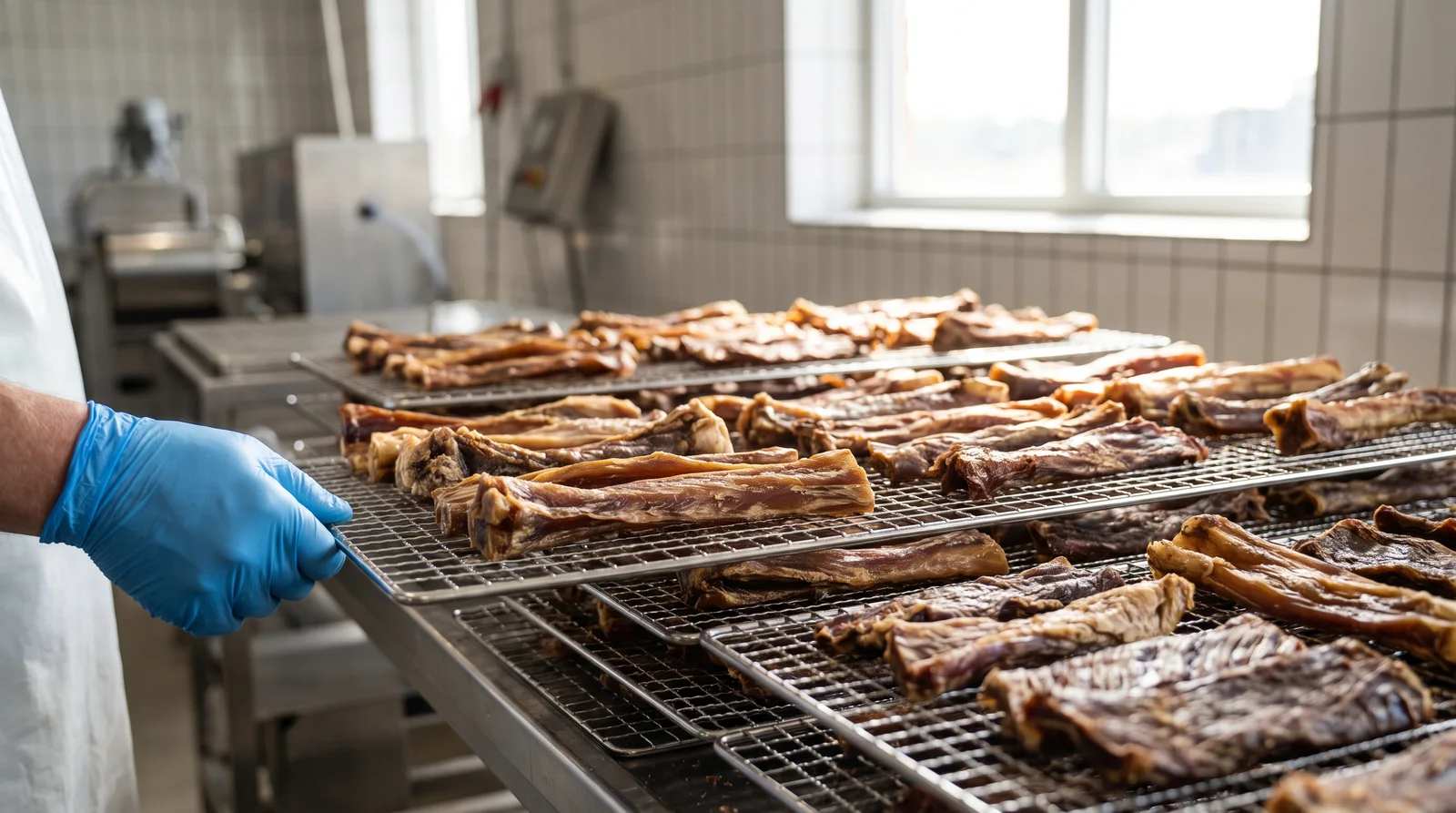
    Company

    Export Partners LLC ↗ info@chewport.com +1 210 756 2033 San Antonio, Texas 78228, USA Amazon SPN Verified Service Provider
    © 2026 Chewport — part of Export Partners LLC, San Antonio, TX. All rights reserved.
  • Omega-3 Fish Oil Chews for Dogs: Skin and Coat Supplements Wholesale

    Omega-3 Fish Oil Chews for Dogs: Skin and Coat Supplements Wholesale

    Wholesale & private-label · US company · Supply chain outside China · FDA & USDA documentationPart of Export Partners LLC ↗
    Functional chews

    Omega-3 Fish Oil Chews for Dogs: Skin and Coat Supplements Wholesale

    Skin and coat chews built on fish oil are a steady seller. Oil quality, oxidation control and honest dosing decide whether a product holds up.

    Border collie with a glossy coat being offered a soft chew

    Omega-3 fish oil chews for dogs are soft chews that deliver EPA and DHA from fish or algal oil, marketed for skin and coat support and often combined with biotin, vitamin E or zinc. For a wholesale buyer, the important points are how much EPA and DHA each serving delivers and how the oil is protected from oxidation.

    Skin and coat chews are easy to formulate badly. A chew can list a generous amount of fish oil and still deliver little omega-3, or taste and smell off by the middle of its shelf life. The sections below cover what to specify, test and ask so the product holds up from production to the last chew in the tub.

    How much EPA and DHA should a serving deliver?

    “Fish oil 200 mg” is not the same as 200 mg of omega-3. Ask for EPA and DHA per serving as well as total oil, and for the serving guidance by dog weight.

    Fish oils differ in concentration. A standard oil contains a smaller share of EPA and DHA than a concentrated oil, so two chews with the same oil weight can deliver quite different amounts of omega-3. Set target levels with a qualified animal nutritionist, write them per serving in the specification, and give serving guidance by dog weight so owners of small and large dogs both dose correctly.

    Which oil sources are used, and how do they compare?

    Common sources include anchovy, sardine, salmon and pollock oil, as well as algal oil. Ask for the source, the supplier’s specification and whether the oil is tested for contaminants.

    SourceTypical usePoints to check
    Anchovy and sardine oilWidely used base for EPA and DHAConcentration, oxidation values, contaminant testing
    Salmon oilFamiliar name with owners, often used for flavorWild or farmed origin, EPA and DHA content
    Pollock oilAlternative marine sourceSupplier specification and origin
    Algal oilNon-fish source, often DHA-richEPA and DHA ratio, cost per serving

    Contaminant testing for fish oils commonly covers heavy metals and environmental pollutants. Ask which parameters the oil supplier tests and request a recent certificate for the raw oil, not only for the finished chew.

    How is oxidation controlled in fish oil chews?

    Omega-3 oils oxidize, which affects smell, taste and quality. Antioxidants such as mixed tocopherols or rosemary extract are commonly used. Ask for oxidation data on the oil and how the finished chew is protected in the pack.

    Oxidation of fish oil is usually tracked with values such as peroxide value and anisidine value, often combined into a total oxidation figure. Ask the supplier which values are tested on incoming oil and what limits are used. During production, control comes from storing oil cold and away from light and air, adding it at a suitable stage of mixing, and limiting heat exposure. After production, the pack takes over: an oxygen and moisture barrier slows the process.

    What testing and stability data should a supplier provide?

    • Certificate of analysis per batch, including EPA and DHA content
    • Oxidation indicators on the oil
    • Microbiological testing and moisture of finished chews
    • Stability data supporting the labeled shelf life

    Stability for omega-3 chews should look at more than one measure: EPA and DHA content at the end of shelf life, and sensory checks for smell and taste over time. A chew that still meets its omega-3 claim but smells rancid will not sell twice.

    Which packaging works for fish oil chews?

    Packaging for omega-3 chews has two jobs: keeping moisture out and keeping oxygen out. Induction-sealed tubs give good protection before opening and prevent crushing, and some brands add an oxygen absorber. Resealable pouches can work if the film has a real oxygen and moisture barrier, but a basic pouch may shorten the usable life of the product. Light also speeds up oxidation, so opaque packs are preferable to clear ones.

    Ask which pack the stability study used, and keep the same pack in production. If you change the pack later, for example to lower cost, treat it as a new product for stability purposes. Storage directions on the label, such as keeping the container closed in a cool, dry place, help protect the product after opening.

    Which actives pair well with omega-3?

    Skin and coat formulas often add biotin, vitamin E and zinc. Omega-3 also appears in hip and joint and senior formulas; if you plan a joint product, our guide to glucosamine and chondroitin chews covers how those actives are specified. Each addition affects texture, flavor and stability, so the final formula needs its own stability check in the final pack.

    Why do animal-origin ingredients matter for import?

    Fish oil and other animal-derived ingredients should be documented by origin. Depending on the full formula, animal-origin ingredients can bring USDA APHIS requirements into an import alongside FDA rules.

    Ask the supplier for an origin statement for each animal-derived ingredient, naming the species and country of origin, and for the facility’s FDA registration details. Your customs broker and USDA APHIS can then confirm what the finished product needs. FDA Prior Notice is filed for every shipment, and the customs entry is filed with US Customs and Border Protection.

    What should an omega-3 chew label show?

    Declare EPA and DHA in the Product Facts panel and use support language such as “supports healthy skin and coat”.

    Show EPA and DHA as separate lines, with the total oil if you wish, and make sure the serving size matches the directions. State the source in the ingredient list, for example “Fish Oil (Anchovy, Sardine)”. Avoid claims about treating skin conditions or allergies; the regulatory background is covered in our article on dog supplement regulations in the US.

    How do you evaluate omega-3 chew samples?

    • Smell the chews on opening and again after the pack has been open for a few weeks
    • Check color and surface for oil spotting or sweating
    • Weigh chews against the specified weight, since EPA and DHA per serving depends on it
    • Offer samples to dogs of different sizes and note acceptance
    • Compare the sample certificate’s EPA and DHA values with your planned label

    What are common mistakes with fish oil chews?

    • Comparing products by fish oil weight instead of EPA and DHA
    • Choosing a pack without an oxygen barrier to save cost
    • Accepting a finished-chew certificate without data on the raw oil
    • Adding several actives without a new stability check
    • Using skin condition claims in marketplace listings

    Chewport supplies skin and coat soft chews from partner facilities in Turkiye under private label. See the functional chews range.

    Frequently asked questions

    Is fish oil the same as omega-3?

    No. Fish oil contains omega-3 fatty acids, mainly EPA and DHA, in varying amounts. Labels and specifications should state EPA and DHA per serving.

    How do suppliers stop fish oil chews from going rancid?

    With antioxidants such as mixed tocopherols, controlled processing and moisture and oxygen barrier packaging.

    Can omega-3 chews be combined with other actives?

    Yes. Biotin, vitamin E and zinc are common pairings for skin and coat formulas.

    Is algal oil a good alternative to fish oil?

    It is a non-fish source that is often rich in DHA. Compare EPA and DHA per serving and cost, and check stability in the chew format.

    Which oxidation values should I ask about?

    Peroxide value and anisidine value are commonly used for fish oil, often combined into a total oxidation figure. Ask which limits the supplier applies to incoming oil.

    Does fish oil affect import paperwork?

    It can. Fish oil is an animal-derived ingredient, so document its origin and confirm with your customs broker and USDA APHIS what the finished product needs.

    Need a skin and coat chew?

    Tell us your target EPA and DHA per serving, and we will send a formula proposal and quote.

    Request a quote
    Chewport

    The US-facing pet line of Export Partners LLC. Wholesale and private-label functional chews, natural dog chews and freeze-dried treats, sourced in Turkiye with FDA and USDA compliance handled on the supplier side.

    Company

    Export Partners LLC ↗ info@chewport.com +1 210 756 2033 San Antonio, Texas 78228, USA Amazon SPN Verified Service Provider
    © 2026 Chewport — part of Export Partners LLC, San Antonio, TX. All rights reserved.