Importing Pet Treats from Turkiye: Step-by-Step for US Buyers
Turkiye is a growing source of natural dog chews for the US. Here is the import process from first quote to cleared shipment.
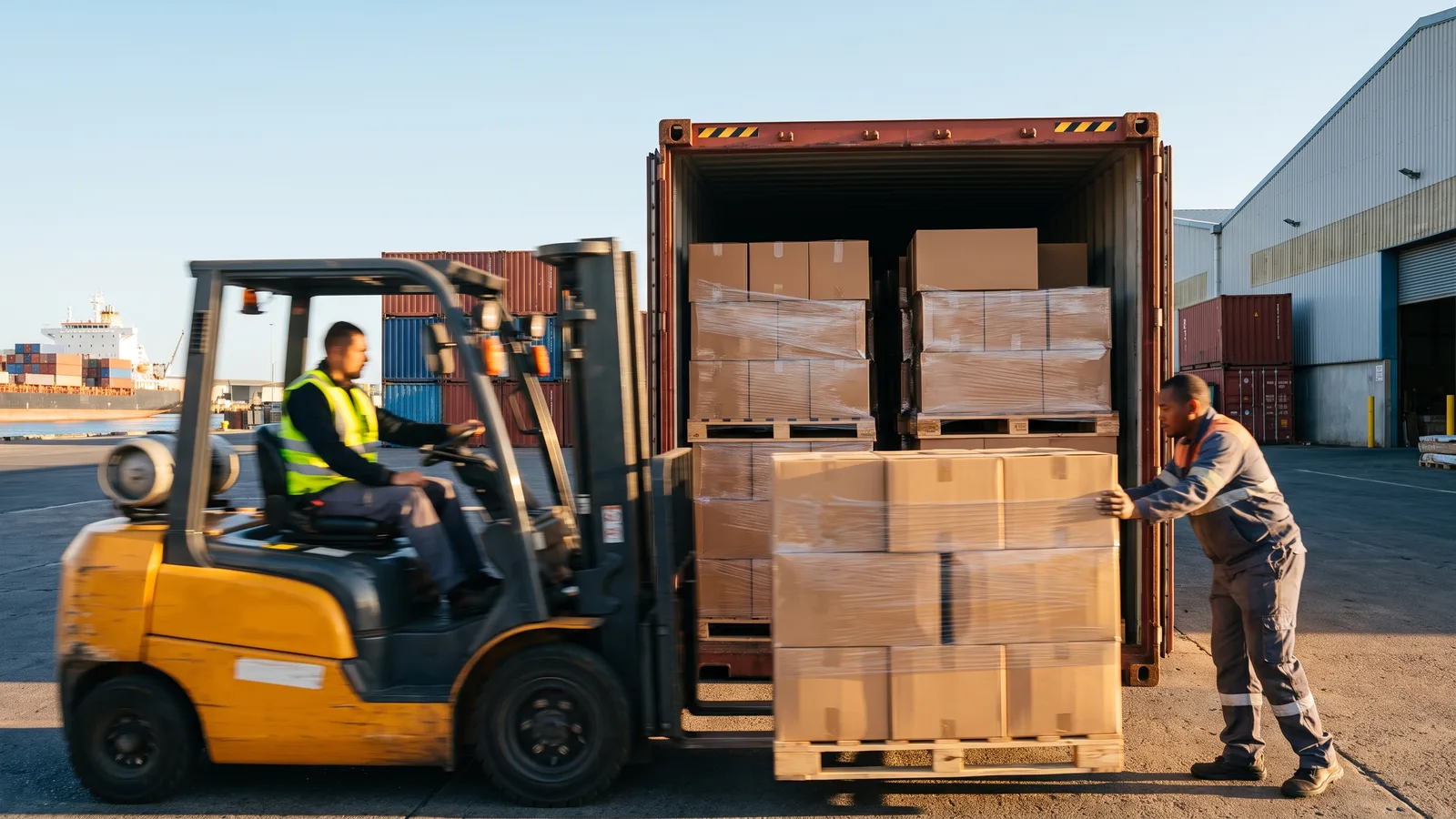
Importing pet treats from Turkiye means bringing dog chews and treats produced in Turkiye into the United States under FDA and USDA rules: the supplier provides the facility and product documents, the US importer secures the USDA permit, and each shipment is announced to the FDA and cleared through US Customs. Done in the right order, the process is predictable.
The steps below follow the order in which work actually happens on a first order. Several of them run in parallel, but the sequence matters: most delays on a first import come from a step that was started too late, not from a step that was done badly.
Step 1: How do you qualify a supplier in Turkiye?
- FDA facility registration
- Approval by the Turkish Ministry of Agriculture and Forestry for pet food and animal by-product processing
- GMP and HACCP-based food safety system
- Product specifications and recent test reports, including Salmonella
Ask for these documents in writing before discussing price in detail. A supplier that can send a current registration, an approval document, a sample certificate of analysis and a specification sheet within a few days is usually set up for export. It is also worth asking how the facility addresses the FDA Preventive Controls for Animal Food requirements, since many foreign facilities that export animal food to the US fall under them.
Under the Foreign Supplier Verification Program, US importers of animal food are generally expected to verify that their foreign suppliers meet US safety standards. Your customs broker or a compliance adviser can confirm what applies to your products, and the supplier’s document pack is the starting point for that file.
Step 2: What do you agree on for products and labels?
Fix the product list, specifications, packing and, for private label, the label artwork. Labels need to meet FDA and AAFCO requirements and carry a country of origin marking such as "Product of Turkiye".
A label usually needs a product name that identifies the species and part, the words that show it is for dogs, net quantity, a guaranteed analysis, an ingredient statement, and the name and address of the manufacturer or distributor. Many states also require pet treat registration. Our guide to dog treat label requirements covers the AAFCO model points in more detail. Approve the artwork before production is scheduled, since reprinting packaging is one of the most avoidable delays.
Step 3: When should the USDA APHIS permit be secured?
For animal-origin chews, the US importer applies for a USDA APHIS Veterinary Services import permit. Start early, because the permit should be in place before production for the order begins.
The permit is issued to the US importer, not to the supplier, and it sets conditions that the veterinary health certificate must later match: the product description, the origin, and the processing or treatment requirements. Share the permit conditions with the supplier as soon as you have them. Processing times vary, so confirm current expectations with APHIS. Our article on the USDA APHIS import permit for pet treats walks through the application.
Step 4: How do production and the veterinary certificate work?
The order is produced and tested. Before shipping, the Turkish veterinary authority issues the veterinary health certificate that matches the permit conditions.
During this step the supplier produces to the agreed specification, runs finished-product tests on each lot and prepares the commercial documents. Ask for the certificate of analysis and a draft of the veterinary certificate before the goods leave, and check that product names, lot numbers, weights and the importer details match your permit and invoice exactly. Small mismatches are easier to fix in Turkiye than at a US port.
Step 5: How are pet treats shipped from Turkiye?
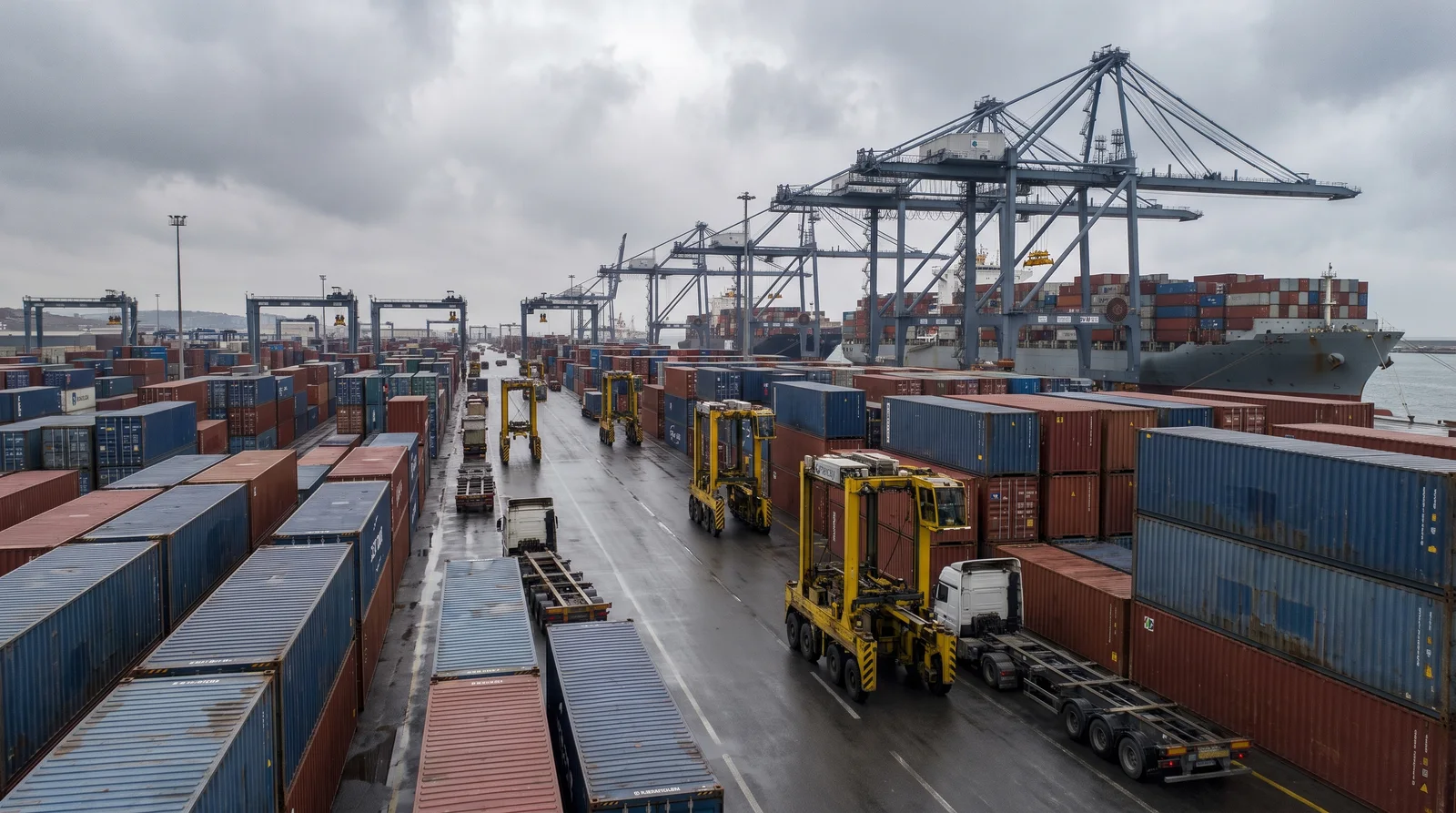
Treats travel by air or ocean. For ocean freight, the importer’s customs broker files the Importer Security Filing before loading. Moisture-barrier packaging and clear lot marking on every carton protect the product and make inspections faster.
| Mode | Best for | Points to plan |
|---|---|---|
| Air freight | Samples, urgent launches, small first orders | Higher cost per kilo; documents must be ready before booking |
| Ocean, consolidated (LCL) | Medium orders that do not fill a container | More handling; strong cartons and clear marking matter |
| Ocean, full container (FCL) | Regular volume orders | Lowest cost per unit; Importer Security Filing before loading |
Agree on the Incoterm in the quote so both sides know who books freight and who pays which costs. Ask your forwarder or broker for current transit times on your route rather than relying on general estimates.
Step 6: How do FDA Prior Notice and customs entry work?
Prior Notice is filed with the FDA before arrival. A licensed customs broker files the entry with US Customs and Border Protection, usually backed by a customs bond. The FDA and USDA can review, sample or hold the shipment before release.
The broker needs the commercial invoice, packing list, bill of lading or air waybill, the permit, the veterinary certificate and the facility registration details. Prior Notice must name the registered facility correctly, so confirm those details with the supplier in advance. If an agency asks for more information or samples, the broker coordinates the response; a complete and consistent document pack is the best way to keep that short.
Step 7: What happens after release, and how do repeat orders work?
After the first shipment clears, keep the document set as a template. Repeat orders move faster when specifications, labels and permit conditions stay the same.
Note the permit’s validity period and renewal timing, keep retained samples and lot records for each shipment, and track any agency questions so they can be addressed before the next order. If you add a new product or change a formula, check whether the permit, label or registration needs updating before production.
Which documents make up a complete import pack?
| Document | Prepared by | When |
|---|---|---|
| FDA facility registration details | Supplier | Before the order |
| Specification and certificate of analysis | Supplier | Specification before order; certificate per lot |
| USDA APHIS import permit | US importer | Before production |
| Veterinary health certificate | Turkish veterinary authority | Before shipping |
| Commercial invoice and packing list | Supplier | At shipping |
| FDA Prior Notice | Importer or broker | Before arrival |
| Customs entry and bond | Customs broker | At arrival |
What are common mistakes on a first import?
- Starting production before the USDA permit is issued
- Product names that differ between the invoice, certificate and permit
- Labels without a country of origin marking
- Cartons without lot numbers, which slows inspections
- Choosing a customs broker after the goods have shipped
Why buyers work with Chewport
Chewport is part of Export Partners LLC, a US company in San Antonio, Texas, with a team on the ground in Turkiye. We work directly with the production facilities and prepare the supplier-side documents, so the US importer receives a complete, consistent document pack with every order.
Frequently asked questions
Can you import dog chews from Turkiye into the US?
Yes. With an FDA-registered facility, a USDA APHIS permit where required, a veterinary health certificate and FDA Prior Notice, dog chews from Turkiye can be imported into the US.
How long does the first import take?
It depends mostly on the USDA permit and production time. Starting the permit early is the best way to avoid delays.
Do I need a customs broker?
Most importers use a licensed customs broker to file the entry, the Importer Security Filing for ocean freight and to coordinate with FDA and USDA.
Who holds the USDA permit, the supplier or the importer?
The US importer applies for and holds the permit. The supplier and the Turkish veterinary authority then work to its conditions when preparing the veterinary certificate.
Should the first order go by air or ocean?
Small first orders and samples often go by air to test the process; regular volume orders usually move by ocean. Compare total landed cost, not freight alone.
What happens if FDA or USDA holds a shipment?
The agency may ask for documents or samples. Your customs broker coordinates the response, and a consistent document pack usually shortens the review.
Ready to import from Turkiye?
Tell us your products and volumes, and we will send a quote with the document pack and the steps for your first shipment.
Request a quoteThe US-facing pet line of Export Partners LLC. Wholesale and private-label functional chews, natural dog chews and freeze-dried treats, sourced in Turkiye with FDA and USDA compliance handled on the supplier side.
Leave a Reply