Category: Functional Chews

  • Dog Supplement Regulations in the US: FDA, AAFCO and the NASC Seal

    Dog Supplement Regulations in the US: FDA, AAFCO and the NASC Seal

    Wholesale & private-label · US company · Supply chain outside China · FDA & USDA documentationPart of Export Partners LLC ↗
    Regulation guide

    Dog Supplement Regulations in the US: FDA, AAFCO and the NASC Seal

    Dog supplements sit in a gray zone between food and drugs. Here is how US rules apply to functional chews, and where the NASC Quality Seal fits.

    Supplement tub being checked against a regulatory checklist

    Dog supplement regulations in the US are the federal and state rules that decide whether a functional chew is treated as animal food or as an animal drug, based mainly on its ingredients and the claims made for it. Unlike human dietary supplements, animal supplements do not have their own federal category, which is why labels and claims need extra care.

    This guide explains the framework in plain terms for brands, distributors and importers. It is a practical overview, not legal advice; for a specific product, confirm the position with the FDA, the relevant state feed control officials or a regulatory adviser.

    Is a dog supplement a food or a drug?

    Under the Federal Food, Drug, and Cosmetic Act, a product for animals is regulated as a food or as a drug depending on its intended use. Claims to treat, cure, mitigate or prevent disease point to a drug. Support language, such as “supports joint health”, is how most supplement chews are positioned.

    Intended use is judged from everything the company says about the product, not only the label. Product names, website copy, marketplace listings, social media posts and images can all show intended use. A chew with careful label wording can still raise questions if its online listing talks about treating a condition.

    WordingHow it is usually read
    “Supports healthy hips and joints”Structure or function style support language
    “Supports digestive health”Structure or function style support language
    “Treats arthritis”Disease claim, points toward drug status
    “Prevents diarrhea”Disease claim, points toward drug status
    “Relieves allergies”Likely read as a disease claim

    Ingredients matter as well as words. An ingredient that is not recognized as acceptable for use in animal food, or one that is associated with drug use, can raise questions even when the claims are modest. Before finalizing a formula, ask the supplier and your regulatory adviser whether each ingredient is accepted for use in animal products in the states where you plan to sell, and keep that review on file.

    Why does DSHEA not apply to dog supplements?

    The Dietary Supplement Health and Education Act, which created the dietary supplement category for human products, does not apply to products for animals. Animal supplements are therefore treated under the general food and drug framework.

    This is the most common source of confusion for brands that come from the human supplement market. Practices that are routine for human supplements, such as relying on the dietary supplement category itself, do not carry over. The FDA has said that animal supplements may be regulated as food or as drugs depending on their claims and ingredients, and it decides how to apply its rules case by case.

    Who regulates what in the US?

    BodyRole for supplement chews
    FDA, Center for Veterinary MedicineFederal food and drug rules, facility registration, food safety rules for animal food, Prior Notice for imports
    State feed control officialsState feed laws, product registration and label review in many states
    AAFCOPublishes model regulations that many states adopt; not a regulator itself
    NASCVoluntary industry organization with an audited quality program and labeling guidelines
    USDA APHISAnimal health import requirements for animal-origin products and ingredients
    US Customs and Border ProtectionCustoms entry, country of origin marking, release of imported goods

    How do state feed rules affect supplement chews?

    States regulate animal feed, and many base their rules on AAFCO model regulations. Some states require registration of pet products, including some supplements, before sale. Check the requirements for the states where you sell.

    Registration usually involves submitting the label, paying a fee and in some states renewing periodically. Requirements and fees differ by state, so build a state list early if you plan national distribution or marketplace sales. Our guide to dog treat label requirements explains the AAFCO model labeling points that many states follow.

    What must a dog supplement label include?

    • Product Facts panel with active ingredients per serving
    • Inactive ingredients
    • Directions for use and cautions
    • Name and address of the company responsible
    • Country of origin for imported products

    Common additions include a statement that the product is for dogs, net quantity, a lot number and a best-before date. Cautions often include keeping the product out of reach of children and advising owners to consult a veterinarian if a condition persists. The panel should match the product specification exactly, including units and serving size.

    What is the NASC Quality Seal?

    The National Animal Supplement Council (NASC) is a US industry organization for animal health supplements. Member companies that pass an independent audit and follow NASC requirements, including labeling guidelines and adverse event reporting, can display the NASC Quality Seal. It is voluntary, but many retailers and buyers look for it.

    The seal belongs to the brand company that passes the audit, not to the product formula alone. A brand sourcing private-label chews still needs its own quality processes, such as supplier qualification, complaint handling and adverse event records. A supplier that already works to NASC labeling guidelines and can provide batch documentation makes that work easier. Check current membership terms directly with NASC.

    Which food safety rules apply to the producing facility?

    Facilities that manufacture, process, pack or hold animal food for the US market, including many foreign facilities, generally need FDA food facility registration. Many are also subject to the FSMA Preventive Controls for Animal Food requirements, which call for a written food safety plan, hazard analysis and controls. US importers are generally expected to verify their foreign suppliers under the Foreign Supplier Verification Program. Ask the supplier how its plan covers your products, and confirm your own obligations with a compliance adviser.

    What do imported supplement chews need?

    Imported supplement chews also need an FDA-registered facility and FDA Prior Notice for each shipment. Animal-origin ingredients, such as bovine chondroitin or fish oil, can add USDA APHIS requirements.

    The customs entry is filed with US Customs and Border Protection, usually by a licensed customs broker, and the product must carry a country of origin marking. The full sequence for a first order is covered in our guide on how to import dog treats into the USA.

    What should a compliance checklist cover before launch?

    • Claims reviewed on the label, website and every marketplace listing
    • Product Facts panel matched line by line to the specification
    • State registration list for every state where the product will be sold
    • Supplier documents: facility registration, specification, batch certificates
    • Origin statements for every animal-derived ingredient
    • Import plan: customs broker, Prior Notice, any USDA APHIS requirements
    • Adverse event and complaint handling process

    Chewport’s functional chews are produced for the US market with specifications, batch reports and import documents prepared on the supplier side. See the functional chews range.

    Frequently asked questions

    Are dog supplements regulated like human supplements?

    No. The human dietary supplement law (DSHEA) does not apply to animal products; they are regulated as food or drugs depending on intended use.

    Is the NASC Quality Seal required?

    No. It is voluntary, but it signals an audited quality program and many buyers look for it.

    Which claims are safe for supplement chews?

    Support language about normal structure or function, such as supporting joint or digestive health. Disease claims change the regulatory status.

    Do I need to register dog supplements with each state?

    Some states require registration of pet products, including some supplements, before sale. Requirements differ, so check each state where you sell.

    Does marketplace listing copy count as a claim?

    Yes. Intended use can be shown by any statement about the product, including listings, websites and social media, not only the label.

    Does the producing facility need FDA registration?

    Facilities that produce animal food for the US market generally need FDA food facility registration, and many must also follow the Preventive Controls for Animal Food requirements.

    Building a compliant supplement line?

    Talk to us about formula, labeling and import paperwork for your functional chews.

    Request a quote
    Chewport

    The US-facing pet line of Export Partners LLC. Wholesale and private-label functional chews, natural dog chews and freeze-dried treats, sourced in Turkiye with FDA and USDA compliance handled on the supplier side.

    Company

    Export Partners LLC ↗ info@chewport.com +1 210 756 2033 San Antonio, Texas 78228, USA Amazon SPN Verified Service Provider
    © 2026 Chewport — part of Export Partners LLC, San Antonio, TX. All rights reserved.
  • Omega-3 Fish Oil Chews for Dogs: Skin and Coat Supplements Wholesale

    Omega-3 Fish Oil Chews for Dogs: Skin and Coat Supplements Wholesale

    Wholesale & private-label · US company · Supply chain outside China · FDA & USDA documentationPart of Export Partners LLC ↗
    Functional chews

    Omega-3 Fish Oil Chews for Dogs: Skin and Coat Supplements Wholesale

    Skin and coat chews built on fish oil are a steady seller. Oil quality, oxidation control and honest dosing decide whether a product holds up.

    Border collie with a glossy coat being offered a soft chew

    Omega-3 fish oil chews for dogs are soft chews that deliver EPA and DHA from fish or algal oil, marketed for skin and coat support and often combined with biotin, vitamin E or zinc. For a wholesale buyer, the important points are how much EPA and DHA each serving delivers and how the oil is protected from oxidation.

    Skin and coat chews are easy to formulate badly. A chew can list a generous amount of fish oil and still deliver little omega-3, or taste and smell off by the middle of its shelf life. The sections below cover what to specify, test and ask so the product holds up from production to the last chew in the tub.

    How much EPA and DHA should a serving deliver?

    “Fish oil 200 mg” is not the same as 200 mg of omega-3. Ask for EPA and DHA per serving as well as total oil, and for the serving guidance by dog weight.

    Fish oils differ in concentration. A standard oil contains a smaller share of EPA and DHA than a concentrated oil, so two chews with the same oil weight can deliver quite different amounts of omega-3. Set target levels with a qualified animal nutritionist, write them per serving in the specification, and give serving guidance by dog weight so owners of small and large dogs both dose correctly.

    Which oil sources are used, and how do they compare?

    Common sources include anchovy, sardine, salmon and pollock oil, as well as algal oil. Ask for the source, the supplier’s specification and whether the oil is tested for contaminants.

    SourceTypical usePoints to check
    Anchovy and sardine oilWidely used base for EPA and DHAConcentration, oxidation values, contaminant testing
    Salmon oilFamiliar name with owners, often used for flavorWild or farmed origin, EPA and DHA content
    Pollock oilAlternative marine sourceSupplier specification and origin
    Algal oilNon-fish source, often DHA-richEPA and DHA ratio, cost per serving

    Contaminant testing for fish oils commonly covers heavy metals and environmental pollutants. Ask which parameters the oil supplier tests and request a recent certificate for the raw oil, not only for the finished chew.

    How is oxidation controlled in fish oil chews?

    Omega-3 oils oxidize, which affects smell, taste and quality. Antioxidants such as mixed tocopherols or rosemary extract are commonly used. Ask for oxidation data on the oil and how the finished chew is protected in the pack.

    Oxidation of fish oil is usually tracked with values such as peroxide value and anisidine value, often combined into a total oxidation figure. Ask the supplier which values are tested on incoming oil and what limits are used. During production, control comes from storing oil cold and away from light and air, adding it at a suitable stage of mixing, and limiting heat exposure. After production, the pack takes over: an oxygen and moisture barrier slows the process.

    What testing and stability data should a supplier provide?

    • Certificate of analysis per batch, including EPA and DHA content
    • Oxidation indicators on the oil
    • Microbiological testing and moisture of finished chews
    • Stability data supporting the labeled shelf life

    Stability for omega-3 chews should look at more than one measure: EPA and DHA content at the end of shelf life, and sensory checks for smell and taste over time. A chew that still meets its omega-3 claim but smells rancid will not sell twice.

    Which packaging works for fish oil chews?

    Packaging for omega-3 chews has two jobs: keeping moisture out and keeping oxygen out. Induction-sealed tubs give good protection before opening and prevent crushing, and some brands add an oxygen absorber. Resealable pouches can work if the film has a real oxygen and moisture barrier, but a basic pouch may shorten the usable life of the product. Light also speeds up oxidation, so opaque packs are preferable to clear ones.

    Ask which pack the stability study used, and keep the same pack in production. If you change the pack later, for example to lower cost, treat it as a new product for stability purposes. Storage directions on the label, such as keeping the container closed in a cool, dry place, help protect the product after opening.

    Which actives pair well with omega-3?

    Skin and coat formulas often add biotin, vitamin E and zinc. Omega-3 also appears in hip and joint and senior formulas; if you plan a joint product, our guide to glucosamine and chondroitin chews covers how those actives are specified. Each addition affects texture, flavor and stability, so the final formula needs its own stability check in the final pack.

    Why do animal-origin ingredients matter for import?

    Fish oil and other animal-derived ingredients should be documented by origin. Depending on the full formula, animal-origin ingredients can bring USDA APHIS requirements into an import alongside FDA rules.

    Ask the supplier for an origin statement for each animal-derived ingredient, naming the species and country of origin, and for the facility’s FDA registration details. Your customs broker and USDA APHIS can then confirm what the finished product needs. FDA Prior Notice is filed for every shipment, and the customs entry is filed with US Customs and Border Protection.

    What should an omega-3 chew label show?

    Declare EPA and DHA in the Product Facts panel and use support language such as “supports healthy skin and coat”.

    Show EPA and DHA as separate lines, with the total oil if you wish, and make sure the serving size matches the directions. State the source in the ingredient list, for example “Fish Oil (Anchovy, Sardine)”. Avoid claims about treating skin conditions or allergies; the regulatory background is covered in our article on dog supplement regulations in the US.

    How do you evaluate omega-3 chew samples?

    • Smell the chews on opening and again after the pack has been open for a few weeks
    • Check color and surface for oil spotting or sweating
    • Weigh chews against the specified weight, since EPA and DHA per serving depends on it
    • Offer samples to dogs of different sizes and note acceptance
    • Compare the sample certificate’s EPA and DHA values with your planned label

    What are common mistakes with fish oil chews?

    • Comparing products by fish oil weight instead of EPA and DHA
    • Choosing a pack without an oxygen barrier to save cost
    • Accepting a finished-chew certificate without data on the raw oil
    • Adding several actives without a new stability check
    • Using skin condition claims in marketplace listings

    Chewport supplies skin and coat soft chews from partner facilities in Turkiye under private label. See the functional chews range.

    Frequently asked questions

    Is fish oil the same as omega-3?

    No. Fish oil contains omega-3 fatty acids, mainly EPA and DHA, in varying amounts. Labels and specifications should state EPA and DHA per serving.

    How do suppliers stop fish oil chews from going rancid?

    With antioxidants such as mixed tocopherols, controlled processing and moisture and oxygen barrier packaging.

    Can omega-3 chews be combined with other actives?

    Yes. Biotin, vitamin E and zinc are common pairings for skin and coat formulas.

    Is algal oil a good alternative to fish oil?

    It is a non-fish source that is often rich in DHA. Compare EPA and DHA per serving and cost, and check stability in the chew format.

    Which oxidation values should I ask about?

    Peroxide value and anisidine value are commonly used for fish oil, often combined into a total oxidation figure. Ask which limits the supplier applies to incoming oil.

    Does fish oil affect import paperwork?

    It can. Fish oil is an animal-derived ingredient, so document its origin and confirm with your customs broker and USDA APHIS what the finished product needs.

    Need a skin and coat chew?

    Tell us your target EPA and DHA per serving, and we will send a formula proposal and quote.

    Request a quote
    Chewport

    The US-facing pet line of Export Partners LLC. Wholesale and private-label functional chews, natural dog chews and freeze-dried treats, sourced in Turkiye with FDA and USDA compliance handled on the supplier side.

    Company

    Export Partners LLC ↗ info@chewport.com +1 210 756 2033 San Antonio, Texas 78228, USA Amazon SPN Verified Service Provider
    © 2026 Chewport — part of Export Partners LLC, San Antonio, TX. All rights reserved.
  • Probiotic Chews for Dogs: CFU, Strains and Private Label

    Probiotic Chews for Dogs: CFU, Strains and Private Label

    Wholesale & private-label · US company · Supply chain outside China · FDA & USDA documentationPart of Export Partners LLC ↗
    Functional chews

    Probiotic Chews for Dogs: CFU, Strains and Private Label

    Probiotic chews are only as good as the live count they deliver at the end of shelf life. Here is what buyers should ask before ordering wholesale.

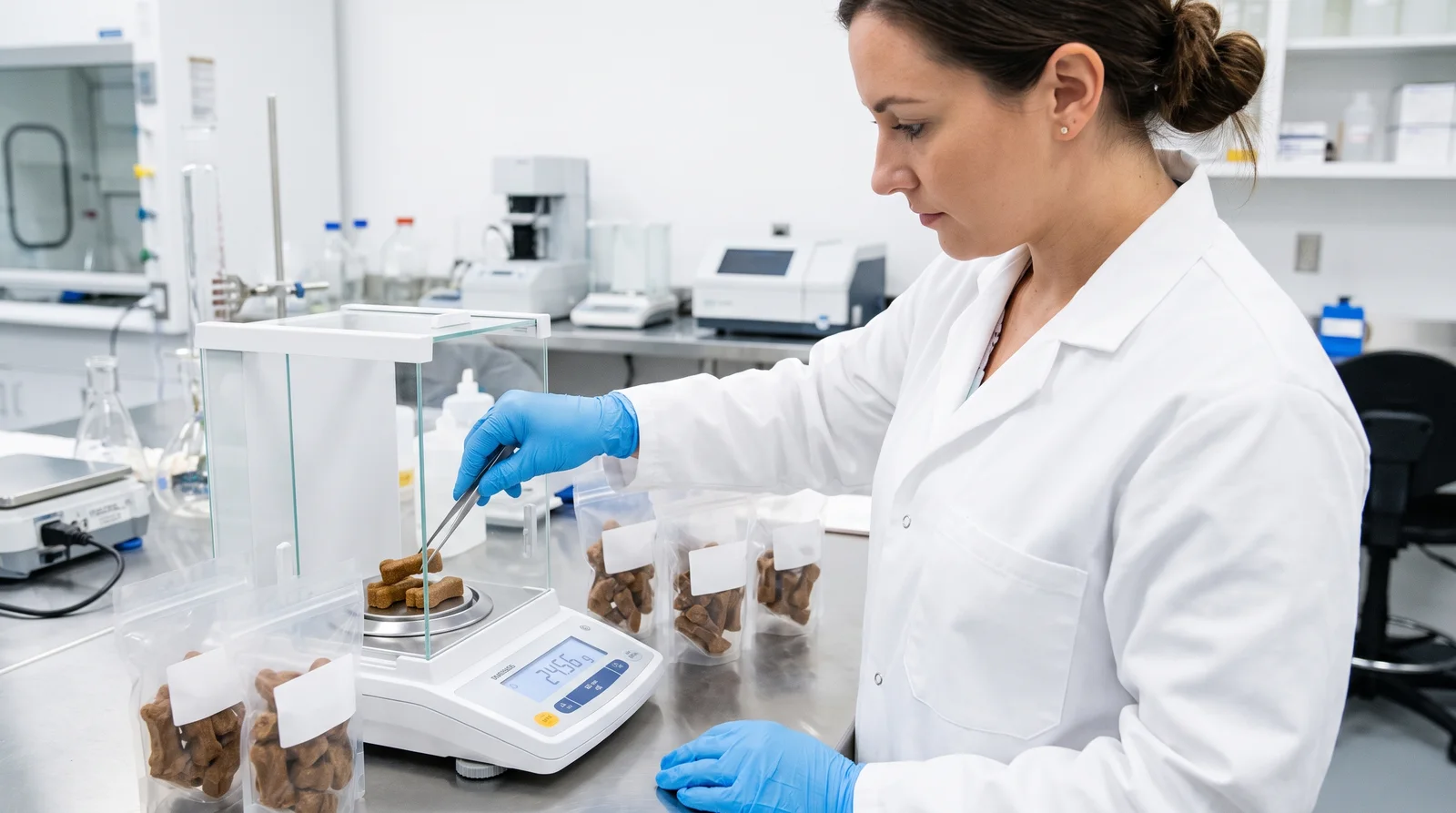
    Technician weighing soft dog supplement chews in a quality control lab

    Probiotic chews for dogs are soft chews containing live beneficial microorganisms, declared in colony-forming units (CFU) per serving, often combined with prebiotic fiber such as pumpkin or inulin. Because the bacteria must survive production and storage, the key buying question is how many CFU remain at the end of the labeled shelf life.

    That one question shapes almost every other decision in a probiotic chew project: which strains are used, how the chew is made, how much margin is built into the formula, how the product is packed and how it is tested.

    Which strains suit probiotic chews?

    Soft chews are produced with heat and pressure, so many formulas use spore-forming strains such as Bacillus subtilis or Bacillus coagulans, which tolerate processing better than many lactic acid bacteria. Ask which strains are used and why they suit the chew format.

    Strain typeExamplesFit for soft chews
    Spore-formingBacillus subtilis, Bacillus coagulansGenerally better tolerance of heat, pressure and storage
    Lactic acid bacteriaLactobacillus and Enterococcus speciesMore sensitive to heat and moisture; process and pack need careful control
    Yeast-basedSaccharomyces speciesUsed in some formulas; ask for stability data in the chew format

    Ask for the strain designation as well as the species, and for the ingredient supplier’s specification. Two products listing the same species can behave very differently in a chew if the strains and their handling differ.

    Should CFU be guaranteed at manufacture or at expiry?

    A label should state CFU per serving. Ask whether that number is guaranteed at manufacture or through the end of shelf life, and ask for the stability data behind it. A lower number guaranteed to expiry is more useful than a higher number at day one.

    Stability data usually means the finished chew, in its final pack, tested for CFU at set intervals under defined storage conditions. Ask to see the time points tested, the storage temperature and humidity, and the result at the last time point compared with the label claim. Manufacturers often add an overage at production to cover losses over time; ask how the overage is set and confirmed.

    How do prebiotics and other actives pair with probiotics?

    Many digestive formulas pair probiotics with fiber sources such as pumpkin, inulin or chicory root. These change texture and moisture, so the final recipe needs its own stability check.

    Probiotics are also added to broader formulas, such as daily multivitamin chews. If you are considering an all-in-one product rather than a dedicated digestive chew, our guide to wholesale dog multivitamin chews covers the trade-offs. Every added active, flavor or humectant can affect water activity, and water activity affects probiotic survival.

    What testing should a probiotic chew supplier run?

    • CFU count on finished product per batch
    • Pathogen testing of finished chews
    • Moisture and water activity, which affect probiotic survival

    When reviewing a certificate of analysis, check that the CFU result is reported per gram or per chew in a way you can convert to the label’s per-serving figure, that it is tied to the lot number on the carton, and that the laboratory and method are identified. A result reported per gram of chew needs the chew weight and serving size to become a label value.

    How should probiotic chews be packed and stored?

    Moisture is the main enemy of probiotics. Induction-sealed tubs, desiccants where appropriate and clear storage directions help protect the count through distribution.

    Consider the full route the product takes: production in Turkiye, ocean or air transit, a US warehouse, then a retailer or a customer’s kitchen. Heat during transit and storage can reduce counts, so ask the supplier what storage conditions the shelf life assumes and put those conditions on the label. Opened tubs are exposed every day, which is one reason many brands choose moderate pack counts for probiotic products.

    What should a probiotic chew label show?

    Declare strains and CFU per serving in the Product Facts panel, with directions and cautions. Use support language, such as “supports digestive health”, rather than disease claims.

    Write CFU in a consistent format, for example “1 billion CFU per serving”, and make sure the serving size in the panel matches the directions. State storage directions, such as keeping the container closed and in a cool, dry place. Claims about treating diarrhea or other conditions can change how the product is regulated; see our overview of dog supplement regulations in the US.

    How do you evaluate probiotic chew samples?

    A probiotic chew has to work as a treat before it can work as a supplement, because a dog that refuses it never receives the serving. Check texture, smell and color when the pack is first opened, and again after it has been opened and closed for a few weeks. Weigh a set of chews and compare against the specified chew weight, since CFU per serving depends on it. Offer samples to dogs of different sizes and note acceptance. Then ask for the certificate of analysis of the sample lot and convert its CFU result to your planned label claim, to confirm the numbers line up before any packaging is printed.

    Which import documents do probiotic chews need?

    Imported supplement chews need an FDA-registered production facility and FDA Prior Notice for each shipment, and the entry is filed with US Customs and Border Protection, usually by a licensed customs broker. If the formula includes animal-derived ingredients, such as a meat flavor, liver powder or dairy-based components, USDA APHIS requirements may also apply depending on the ingredient and its origin. Ask the supplier for an origin statement for each animal-derived ingredient, and confirm the requirements with your customs broker and APHIS before the first order.

    How does a private-label probiotic chew project run?

    1. Brief: target CFU per serving, strain preference, prebiotic choice, flavor and pack
    2. Formula proposal with strain specifications and planned overage
    3. Lab samples for texture, smell and acceptance
    4. Stability plan in the final pack, with agreed time points
    5. Label and claim review against the specification
    6. First production run with CFU and pathogen results per batch
    7. Shipping with attention to temperature, then FDA Prior Notice and customs entry

    Which questions should you ask a probiotic chew supplier?

    • Which strains are used, with strain designations, and why for this format?
    • Is the CFU claim guaranteed through the end of shelf life?
    • What overage is added at production, and how was it set?
    • What water activity target does the chew have?
    • Which stability time points and storage conditions have been tested?

    Common mistakes include comparing products on CFU at manufacture, adding prebiotics without a new stability check, and choosing a cheaper pouch without testing it.

    Chewport supplies digestive and probiotic soft chews from partner facilities in Turkiye under private label. See the functional chews range.

    Frequently asked questions

    Why are Bacillus strains common in probiotic chews?

    They form spores that tolerate heat and pressure in soft chew production better than many other strains.

    What CFU number should be on the label?

    The count guaranteed per serving, ideally through the end of shelf life, backed by stability data.

    Do probiotic chews need special packaging?

    They need protection from moisture. Induction-sealed tubs or barrier pouches are standard.

    What is an overage in a probiotic chew?

    An amount added above the label claim at production to allow for losses during storage. It should be confirmed by stability testing, not estimated.

    Can probiotics be combined with pumpkin or inulin?

    Yes, and many digestive formulas do. The combined recipe needs its own stability check because fiber sources change moisture and texture.

    Does heat during shipping affect probiotic chews?

    It can reduce counts, especially for less robust strains. Ask what storage conditions the shelf life assumes and plan shipping and warehousing around them.

    Launching a probiotic chew?

    Send us your target CFU and pack, and we will propose strains, a formula and a sample plan.

    Request a quote
    Chewport

    The US-facing pet line of Export Partners LLC. Wholesale and private-label functional chews, natural dog chews and freeze-dried treats, sourced in Turkiye with FDA and USDA compliance handled on the supplier side.
    Company

    Export Partners LLC ↗ info@chewport.com +1 210 756 2033 San Antonio, Texas 78228, USA Amazon SPN Verified Service Provider
    © 2026 Chewport — part of Export Partners LLC, San Antonio, TX. All rights reserved.
  • Glucosamine and Chondroitin Chews for Dogs: Wholesale Sourcing Guide

    Glucosamine and Chondroitin Chews for Dogs: Wholesale Sourcing Guide

    Wholesale & private-label · US company · Supply chain outside China · FDA & USDA documentationPart of Export Partners LLC ↗
    Functional chews

    Glucosamine and Chondroitin Chews for Dogs: Wholesale Sourcing Guide

    Hip and joint chews are a top seller for senior and large-breed dogs. Sourcing them well comes down to actives per chew, ingredient origin and documentation.

    Senior golden retriever resting next to a bowl of hip and joint soft chews

    Glucosamine and chondroitin chews for dogs are soft chews marketed for hip and joint support, usually combining glucosamine (often from shellfish), chondroitin sulfate (often bovine) and supporting ingredients such as MSM, green-lipped mussel or omega-3. For a wholesale buyer, the questions are how much of each active is in every serving, where it comes from and how that is documented.

    Hip and joint is one of the most competitive functional categories, and shoppers compare labels closely. That makes the specification, the origin statements and the label the real product, as much as the chew itself.

    How should actives per serving be specified?

    Hip and joint products compete on the amount of active ingredients. Ask for the milligrams of each active per serving, the number of chews per serving and the serving guidance by dog weight. Proprietary blends are common, but your specification should still state the total blend weight per serving.

    Also confirm the exact form of each active, since it changes both cost and label wording. Glucosamine is commonly supplied as glucosamine HCl or glucosamine sulfate, and chondroitin as chondroitin sulfate. The specification, the certificate of analysis and the label should all use the same name and the same unit.

    Which supporting ingredients are common in joint chews?

    Most formulas build on glucosamine and chondroitin and add one or more supporting ingredients. Each one brings its own sourcing and documentation points.

    IngredientCommon sourceSourcing note
    GlucosamineShellfish, or non-shellfish sourcesState the source on the label where relevant
    Chondroitin sulfateOften bovine cartilage; other animal sources existAnimal origin can affect import paperwork
    MSM (methylsulfonylmethane)SyntheticUsually simple to document
    Green-lipped musselShellfishAnimal origin and allergen statement
    Omega-3 (fish oil)Fish or algal oilOxidation control and origin statement
    Hyaluronic acid, turmericVariousConfirm form, amount and supplier specification

    Adding more actives raises cost and can make the chew harder to form. A focused formula with clearly stated amounts is often easier to sell than a long list of small additions.

    Why does ingredient origin matter for import?

    Glucosamine is commonly sourced from shellfish and chondroitin from bovine cartilage. Animal-origin ingredients can bring USDA APHIS requirements into an import, in addition to FDA rules. Ask your supplier for the origin of each animal-derived ingredient and for the supporting statements, so the import paperwork matches.

    In practice, this means the supplier should be able to provide, on request, a statement for each animal-derived ingredient naming the species and the country of origin, along with the ingredient supplier’s specification. Your customs broker and USDA APHIS can then confirm whether a permit or certificate is needed for the finished product. The process for animal-origin products is covered in our guide to the USDA APHIS import permit for pet treats.

    How should allergens and species be shown on the label?

    Shellfish-derived glucosamine should be stated on the label where relevant. Many brands add the source in brackets in the ingredient list, for example “Glucosamine HCl (Shellfish)”.

    The same approach works for other animal-derived ingredients, such as “Chondroitin Sulfate (Bovine)”. Clear source statements help owners whose dogs do better without certain proteins, and they reduce questions from retailers and marketplaces.

    What testing should a joint chew supplier provide?

    • Certificate of analysis per batch for the declared actives
    • Moisture and microbiological testing of finished chews
    • Stability data supporting the shelf life on the label

    When reviewing a certificate, check that the lot number matches the carton, that the tested values are shown next to the label claim, and that the test method is identified. Chondroitin in particular can be hard to measure accurately in a finished soft chew, so ask which method the laboratory uses and whether the supplier also holds certificates for the raw material.

    How should labels and claims be written?

    Use support language, such as “supports hip and joint health”, and avoid disease claims such as treating arthritis. Follow the Product Facts format and include cautions, for example advice to consult a veterinarian if the condition does not improve.

    Product names and imagery count as claims too. A name or picture that implies treatment of a disease can create the same issue as a written claim. Our overview of dog supplement regulations in the US explains how intended use decides whether a product is treated as a food or a drug.

    Which packaging protects hip and joint chews?

    Soft chews pick up moisture and can harden, sweat or develop mold if the pack is weak. Tubs with induction-sealed lids are the most common format for 60, 90 and 120 count products and protect the chews from crushing in transit. Resealable barrier pouches are lighter and cheaper to ship, but they need a reliable zipper and a strong moisture barrier. Where the formula contains fish oil, an oxygen barrier matters as well. Ask the supplier which pack the stability data was generated in, and keep the same pack for production.

    How does a private-label joint chew project run?

    1. Brief: target actives per serving, dog size range, flavor, count and pack
    2. Formula proposal with specification and ingredient origin statements
    3. Lab samples for texture, smell and acceptance
    4. Label and claim review, including source statements for animal-derived ingredients
    5. Import requirement check with your customs broker and, where relevant, USDA APHIS
    6. First production run with a batch certificate of analysis
    7. Shipping, FDA Prior Notice and customs entry

    Running the import check early matters most for formulas with bovine chondroitin or shellfish ingredients, because the answer can affect timing.

    How do brands build a hip and joint range?

    Brands usually offer a standard and an advanced strength, or separate formulas for small and large dogs. Starting with one formula in two pack sizes keeps the first order simple.

    A senior formula that combines joint actives with omega-3 is another common extension once the core product sells. Each new formula needs its own specification, label review and stability check, so add them one at a time.

    How do you evaluate samples and compare suppliers?

    • Compare actives per serving at the same serving size, not per chew
    • Check that each supplier states the form and source of every active
    • Ask for a sample certificate of analysis and the test method
    • Review texture, smell and acceptance by dogs of different sizes
    • Compare the shelf life and the pack it was tested in

    Common mistakes include comparing prices without matching actives, printing labels before origin statements are confirmed, and using disease language in marketplace listings that the label itself avoids.

    Chewport supplies hip and joint soft chews from partner facilities in Turkiye under private label, with ingredient origin statements and batch reports. See the functional chews range.

    Frequently asked questions

    Where does glucosamine in dog chews come from?

    Most often from shellfish. Some formulas use non-shellfish sources; the specification and label should state the source.

    Does chondroitin affect import paperwork?

    Chondroitin is often of bovine origin, and animal-origin ingredients can bring USDA APHIS requirements into an import. Confirm the origin and documents with your supplier.

    Can I make a claim about arthritis?

    Claims to treat or prevent disease change how the product is regulated. Keep to support language unless you have a regulatory basis for more.

    How many milligrams of glucosamine should a chew contain?

    There is no single standard amount. Set levels with a qualified animal nutritionist, state them per serving, and give serving guidance by dog weight.

    Should I use a proprietary blend?

    Blends are common, but buyers and retailers increasingly compare stated amounts. If you use a blend, at least state its total weight per serving.

    Can a joint chew include fish oil?

    Yes. Omega-3 is a common addition for senior formulas, but it adds oxidation control and stability points to the specification.

    Sourcing hip and joint chews?

    Tell us your target actives and pack sizes, and we will send a quote with specifications.

    Request a quote
    Chewport

    The US-facing pet line of Export Partners LLC. Wholesale and private-label functional chews, natural dog chews and freeze-dried treats, sourced in Turkiye with FDA and USDA compliance handled on the supplier side.

    Company

    Export Partners LLC ↗ info@chewport.com +1 210 756 2033 San Antonio, Texas 78228, USA Amazon SPN Verified Service Provider
    © 2026 Chewport — part of Export Partners LLC, San Antonio, TX. All rights reserved.
  • Wholesale Dog Multivitamin Chews: A Private-Label Buyer’s Guide

    Wholesale Dog Multivitamin Chews: A Private-Label Buyer’s Guide

    Wholesale & private-label · US company · Supply chain outside China · FDA & USDA documentationPart of Export Partners LLC ↗
    Functional chews

    Wholesale Dog Multivitamin Chews: A Private-Label Buyer’s Guide

    Multivitamin soft chews are one of the largest functional categories in US pet retail. Here is what a brand should check before sourcing them wholesale.

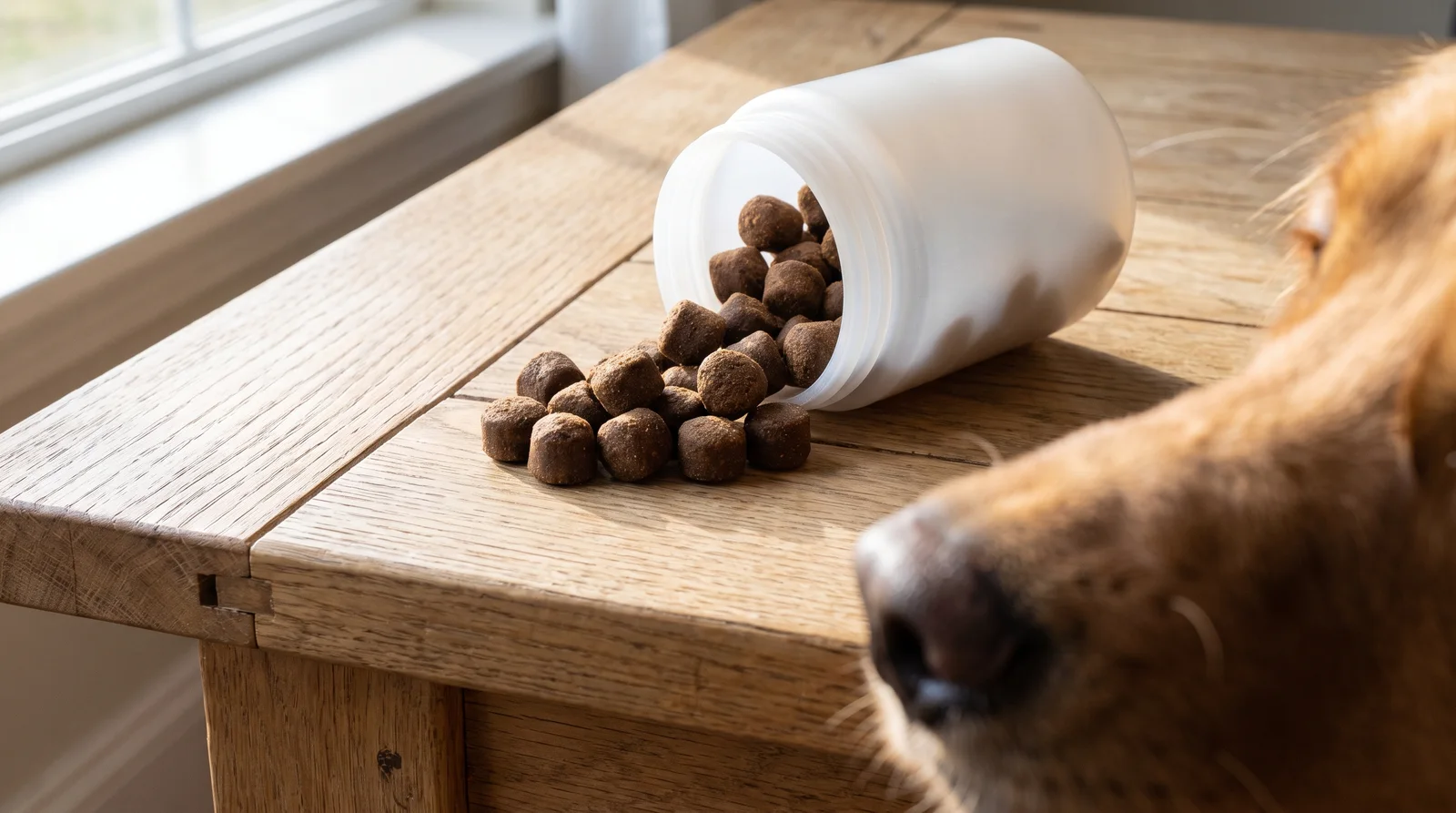
    Dog multivitamin soft chews spilling from an unlabeled tub

    Wholesale dog multivitamin chews are soft or semi-soft chews that combine vitamins, minerals and functional ingredients such as glucosamine, fish oil or probiotics in a single daily serving, supplied in bulk or under a buyer’s own label. In US retail and on Amazon, the category is led by “all-in-one” formulas sold in tubs of 60 to 120 chews.

    For a brand, the attraction is clear: one product, one daily habit for the owner, and room to tell a broad wellness story. The work sits in the details. Formula, dosing per chew, claims, stability and packaging all need to be agreed before the first production run.

    What goes into a multivitamin chew?

    A typical formula pairs a vitamin and mineral blend with one or more functional actives. Common combinations on the US shelf include:

    • B vitamins, vitamin E and trace minerals as the base blend
    • Glucosamine and chondroitin for hip and joint positioning
    • Fish oil (omega-3) for skin and coat positioning
    • Probiotics such as Bacillus subtilis for digestive positioning

    The base of the chew, for example pea or chickpea flour, vegetable glycerin and a flavor such as peanut butter or chicken, decides texture, palatability and shelf life.

    Each added active has its own sourcing story. If your formula leans on joint support, our guide to glucosamine and chondroitin chews covers ingredient origin and dosing points in more depth.

    How should the formula be agreed per chew?

    Ask for a specification that states each active ingredient per serving, the serving size in chews and grams, the inactive ingredients and the target moisture. If two chews make one serving, the label and the specification must say so in the same way.

    Fat-soluble vitamins such as A and D have upper limits in dog nutrition, and a multivitamin chew is often given alongside a complete and balanced diet. Formula levels should be set with a qualified animal nutritionist rather than copied from a competitor’s label. Ask the supplier who reviews formulas and on what basis serving guidance by dog weight is set.

    A simple specification layout keeps everyone aligned:

    ItemWhat to state
    Serving sizeChews per serving and weight per chew in grams
    Active ingredientsEach active with amount per serving and unit
    Inactive ingredientsBase, binders, flavor, preservatives, in descending order
    PhysicalChew shape, size, color range, moisture target
    PackCount per tub or pouch, pack type, closure
    Shelf lifeLabeled shelf life and the storage conditions it assumes

    What is the Product Facts panel?

    US dog supplements are commonly labeled with a Product Facts panel: active ingredients per serving, inactive ingredients, directions, cautions and the name and address of the company. Brands that follow National Animal Supplement Council (NASC) labeling guidelines use this format, and many retailers expect it.

    The panel has to match the specification line by line. A common problem is a label that lists an active “per chew” while the specification lists it “per serving” of two chews. Check units as well, for example mg versus IU for vitamins, and make sure directions by dog weight match the serving size used in the panel.

    Which claims can a multivitamin chew make?

    Supplement labels in this category use support language such as “supports hip and joint health” or “supports skin and coat”. Claims to treat, cure or prevent a disease change how the product is regulated in the US. Keep claims inside what your formula and data can support, and have the label reviewed before printing.

    Claims appear in more places than the label: the Amazon listing, the brand website, social posts and retailer copy. Keep one approved claim list and use it everywhere. The regulatory background is covered in our article on dog supplement regulations in the US.

    What testing and stability data should a supplier provide?

    • Certificate of analysis per batch for actives and moisture
    • Microbiological testing of finished chews
    • Stability data supporting the shelf life on the label, especially for vitamins and probiotics

    Some vitamins degrade over time, and probiotics lose count with moisture and heat. That is why many manufacturers formulate with a margin above the label claim for sensitive actives. Ask how the supplier sets that margin and whether the label claim is supported through the end of shelf life, not only at the day of manufacture.

    Which packaging works for soft chews?

    Soft chews are sensitive to moisture and heat. Tubs with induction-sealed lids or resealable pouches with a moisture barrier are standard. Ask how the shelf life was tested in the chosen pack.

    Tubs suit the 60 to 120 count formats common on the shelf and protect chews from crushing in transit. Pouches cost less to ship and store but need a strong barrier and a good zipper. Whichever you choose, the outer cartons should carry lot numbers and best-before dates, and the stability data should refer to the same pack you plan to sell.

    How does a private-label multivitamin project run step by step?

    1. Brief: target formula, positioning, chew count and pack, target price range
    2. Formula proposal and specification from the supplier
    3. Lab samples for taste, texture and appearance review
    4. Label and claim review against the agreed specification
    5. Stability plan and, where needed, adjustments to formula or pack
    6. First production run with batch certificate of analysis
    7. Import documents, shipping and FDA Prior Notice

    Running label review in parallel with sampling saves time, but do not print packaging until the formula and specification are final.

    How do you evaluate multivitamin chew samples?

    Lab samples show whether the formula works as a product, not only on paper. Check the chew for smell, color and texture right after opening and again after the pack has been opened and closed for a couple of weeks, since soft chews can harden or sweat. Weigh a set of chews against the specified weight. Offer the samples to a few dogs of different sizes and note acceptance, because palatability drives repeat purchase in this category. Finally, read the draft label next to the specification and confirm that every active, unit and serving size matches.

    Which questions should you ask a supplier?

    • Who sets formula levels, and on what nutritional basis?
    • Is the label claim guaranteed through the end of shelf life?
    • Which tests are run on every batch, and which are periodic?
    • Where do the active ingredients come from, and are origin statements available?
    • What is the minimum order per SKU, and can flavors share a base formula?

    Sourcing from Turkiye

    Chewport supplies multivitamin and functional soft chews from partner facilities in Turkiye under private label, with specifications, batch test reports and the US import paperwork handled on the supplier side. See our functional chews range.

    Frequently asked questions

    What is the minimum order for private-label multivitamin chews?

    It depends on the formula and pack. Most private-label projects start with a minimum per SKU agreed in the quote.

    Can the formula be customized?

    Yes. Actives, flavor, chew size and count per tub can be set per brand, within what the production line and stability data support.

    Do multivitamin chews need a Product Facts panel?

    It is the common US format for dog supplements and the one NASC labeling guidelines use. Many retailers expect it.

    Can a multivitamin chew include probiotics and fish oil together?

    Often yes, but each added active affects texture, moisture and stability. The combined formula needs its own stability check in the final pack.

    How long is the shelf life of a soft chew multivitamin?

    It depends on the formula and packaging. Ask for the stability data behind the labeled shelf life and the storage conditions it assumes.

    Should I copy the doses on a leading competitor’s label?

    No. Set levels with a qualified animal nutritionist based on your formula and serving guidance, and keep claims within what that formula supports.

    Planning a multivitamin chew line?

    Send us your target formula and pack size, and we will come back with a quote and a sample plan.

    Request a quote
    Chewport

    The US-facing pet line of Export Partners LLC. Wholesale and private-label functional chews, natural dog chews and freeze-dried treats, sourced in Turkiye with FDA and USDA compliance handled on the supplier side.

    Company

    Export Partners LLC ↗ info@chewport.com +1 210 756 2033 San Antonio, Texas 78228, USA Amazon SPN Verified Service Provider
    © 2026 Chewport — part of Export Partners LLC, San Antonio, TX. All rights reserved.