Why US Pet Brands Source Natural Chews from Turkiye
US pet brands source natural dog chews from Turkiye for a broad protein base, single-ingredient products and a US-ready compliance chain.
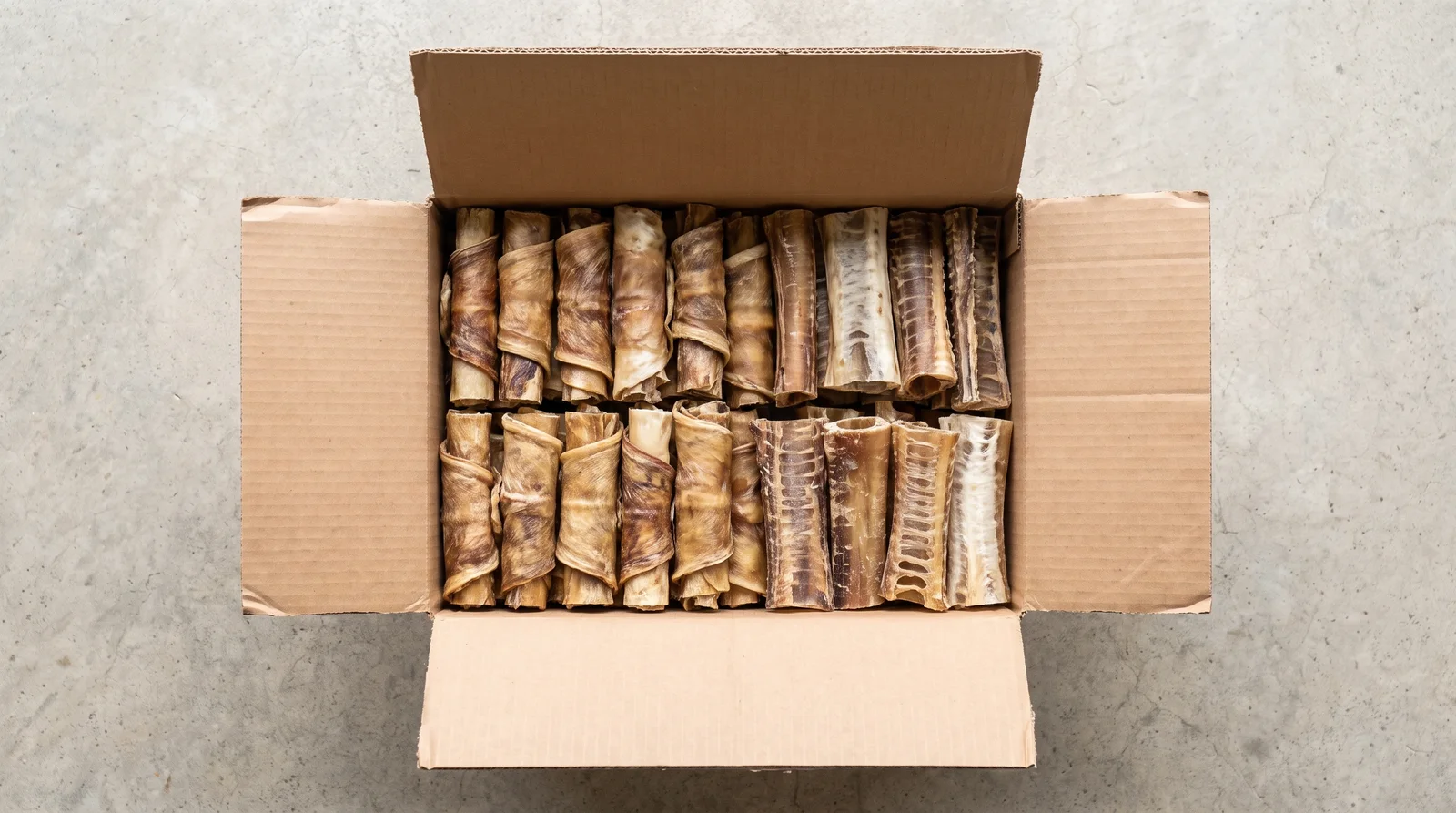
US pet brands increasingly source natural dog chews from Turkiye, and the reasons are practical rather than sentimental: a broad protein base, single-ingredient products, real manufacturing capacity and a supply chain that already understands US paperwork.
This page sets out those reasons in a way a buyer can check, and it is honest about what to verify. Sourcing from any country only works if the specific facility you choose meets your spec and documentation needs, so the second half of the page is a practical evaluation checklist.
A wide protein base in one place
Turkiye’s livestock base means beef, lamb, goat, buffalo and even camel chews come from the same supply region. For a brand building a range, sourcing bully sticks, braided skins and organ chews from one partner simplifies both buying and compliance.
| Protein | Typical chew formats | Buyer note |
|---|---|---|
| Beef | Bully sticks, braided skins, trachea, cheek rolls, tendons | The core of most US chew ranges |
| Lamb | Skin rolls, ears, tripe | Often positioned for smaller dogs or as a novel protein |
| Goat | Ears, skins, horns | Novel protein appeal; confirm permit coverage by species |
| Buffalo | Skins, cheek chews | Similar formats to beef with a different positioning |
| Camel | Skins and other specialty chews | Niche protein; check retailer demand before large orders |
For a format-by-format comparison, see our guide to the types of natural dog chews.
Single-ingredient by default
The category that sells best in the US, clean single-ingredient chews, is exactly what this supply base does well: pizzles, skins, tripe and lungs with nothing added. That makes labeling honest and marketing straightforward.
Single-ingredient products also simplify the regulatory side. The ingredient statement is one line, the product description on the invoice, the health certificate and the label can match word for word, and there are fewer questions at entry about added materials.
Manufacturing capacity, not a middleman
Working directly with a production facility, rather than through a broker, means better control of spec, packaging and lead time. It also means the compliance documentation comes from the party that actually made the product.
Compliance readiness
The practical advantage is a partner that has already handled FDA facility registration and USDA APHIS documentation for the US. A brand that sources here spends its time on selling, not on learning export regulation from scratch.
Even so, readiness is something to verify, not assume. Ask for the facility’s FDA registration details, a process description you can use for your APHIS import permit, and a sample of the veterinary health certificate it has used for previous US shipments. Our step-by-step guide to importing pet treats from Turkiye shows where each document fits.
How goods move from Turkiye to the US
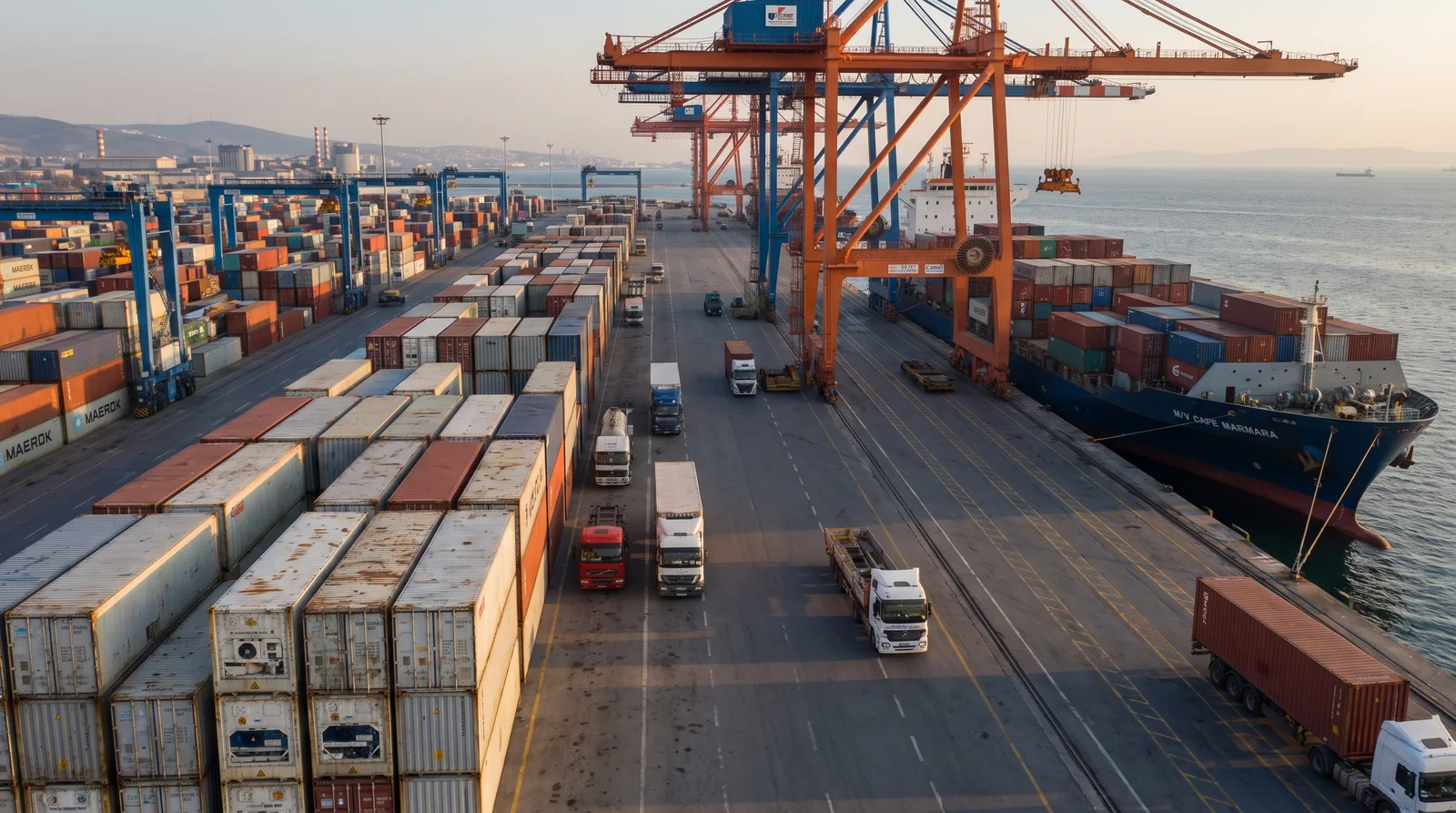
Most chew orders move by sea in containers from major ports in Turkiye such as Mersin on the Mediterranean or Ambarli near Istanbul. Smaller trial orders can go as part of a shared container, and samples usually travel by air. Transit time depends on the route and the carrier, so ask your forwarder for current schedules rather than relying on a fixed number.
Dried chews are shelf-stable and ship without refrigeration when packed properly, which keeps freight simple. Ask for packaging that protects against moisture during a sea voyage, especially for long transit routes.
Plan the shipment around the documents, not the other way round. The veterinary health certificate is issued for each shipment, and the FDA Prior Notice has to be filed before arrival, so your forwarder, your broker and the supplier should share the booking details as soon as they are confirmed.
What to compare when choosing a sourcing country
| Factor | What to check with any supplier |
|---|---|
| Raw material | Species available, consistency of supply through the year |
| Processing | Drying method, moisture control, size grading |
| Documentation | FDA registration, test reports, health certificate experience |
| Packaging | Private-label printing, barrier pouches, carton specs |
| Logistics | Port access, container and shared-container options |
| Communication | Response time, written specs, English documentation |
These factors matter more than the country name. A strong facility in any origin beats a weak one, so use the table as a scorecard across your shortlist.
Common concerns US buyers raise, and how to answer them
Buyers new to sourcing from Turkiye tend to ask the same questions. Most of them can be answered with documents rather than promises.
- Consistency between lots: ask for a written spec with size and moisture ranges, and compare samples from different lots.
- Food safety: ask for recent finished-product test reports, including Salmonella, and the laboratory used.
- Border risk: ask for a draft document pack and have your customs broker review it before the first shipment.
- Communication: agree on one point of contact and keep specs, artwork and approvals in writing.
- Payment terms: clarify deposits, balance timing and what happens if a lot is out of spec.
None of these are unique to Turkiye. They are the same checks a careful buyer applies to any overseas chew supplier, and a supplier that handles them well will usually say so in writing without being pushed.
If a supplier cannot answer one of these points, that is not always a dealbreaker, but it tells you where to focus your first-order checks. A gap in testing, for example, can be closed by agreeing on a laboratory and a test plan before production.
What a US buyer typically starts with
Most brands begin with a small trial across a few SKUs, such as a braided beef chew, a lamb skin roll and a bully stick, confirm the market response, then scale to container volumes on the same spec.
Brands that also want a treat line often add one or two freeze-dried single-ingredient treats to the same trial, so they can test both categories with one supplier relationship.
How to evaluate a Turkiye-based chew supplier
- Ask for a written spec and recent test reports for each SKU you are considering.
- Request samples from more than one lot and compare them against the spec.
- Confirm FDA facility registration details and who acts as the facility’s US agent.
- Ask which documents come with every shipment and request a draft set.
- Check whether the supplier can print your private-label artwork and how long packaging takes.
- Agree on how out-of-spec lots are handled before the first order.
Our full range is listed on the natural chews page.
Frequently asked questions
What are the most popular chew types for the US market?
Bully sticks, braided skins and collagen-style chews travel well and sell consistently. If you are choosing between the two most common sticks, our collagen sticks vs bully sticks comparison sets out the differences. A short trial across a few SKUs is the usual way to find the right mix.
Is single-ingredient really important to US buyers?
Yes. US pet owners increasingly read labels, and a one-ingredient chew is easier to trust and easier to market than a compound product.
Do you supply both chews and freeze-dried treats?
Yes. The same partner can supply natural chews and freeze-dried single-ingredient treats, which lets a brand build a fuller range from one source.
Do chews from Turkiye need a USDA permit?
Animal-origin chews generally fall under USDA APHIS import conditions, which commonly require an import permit held by the US importer and a veterinary health certificate for each shipment. Confirm the conditions for your products before production.
How should the country of origin appear on the pack?
Imported products need a clear country of origin marking, for example “Product of Turkiye”, placed where the end buyer can see it.
Can I start with less than a full container?
Yes. Many buyers start with a pallet or a shared container to test a few SKUs, then move to full containers once sell-through is confirmed.
Talk to a supplier, not a broker
Tell us your product group, target market and volumes, and we will come back with a quote and the compliance steps that actually apply.
Request a quoteThe US-facing pet line of Export Partners LLC. Wholesale and private-label functional chews, natural dog chews and freeze-dried treats, sourced in Turkiye with FDA and USDA compliance handled on the supplier side.
Leave a Reply