Lamb Horns vs Goat Horns for Dogs: A Wholesale Buyer’s Comparison
Horn chews are one of the longer-lasting items in a natural chew range, and buyers often ask whether to stock lamb horns, goat horns or both. They look similar on a shelf, but they differ in size options, how they are cut and what customers expect from them. This comparison is written for retailers, private label brands and Amazon sellers who are choosing between the two, not for dog owners. It covers what each one is, how they compare, what to put in a specification and which documents apply when they are imported into the US.
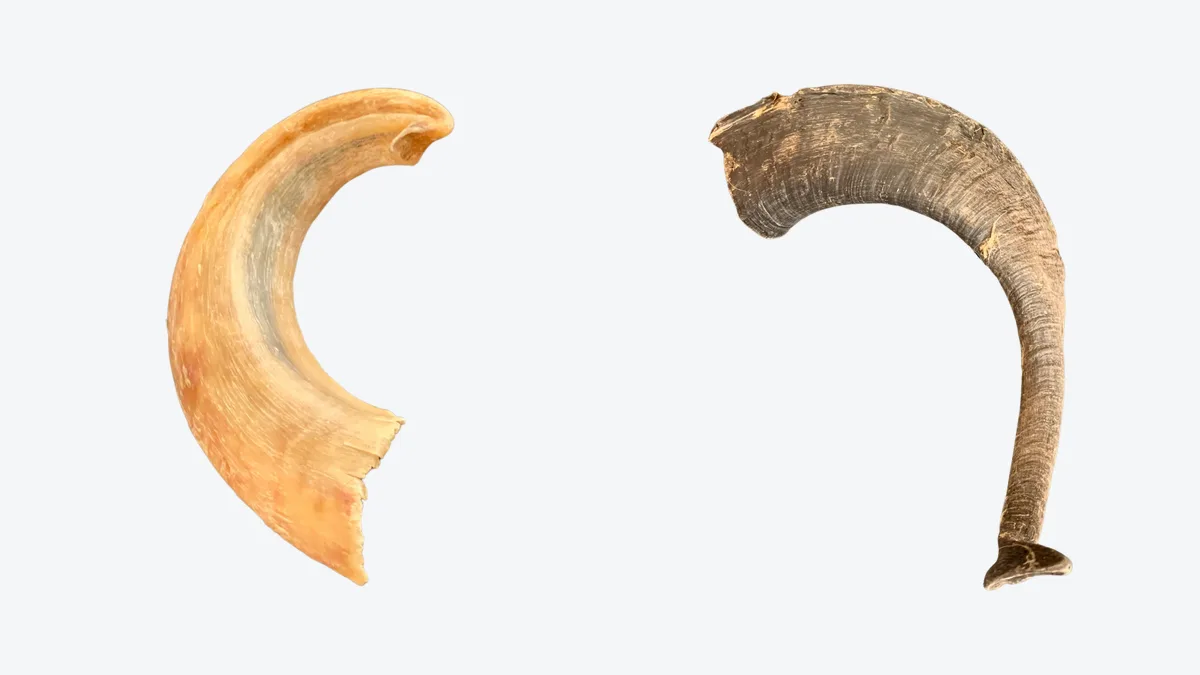
What are lamb horns and goat horns as dog chews?
Both are single-ingredient natural chews. The horn is cleaned, dried and cut to length, and nothing is added. They are sold as a chew for dogs that like to work on one item for a while, which is why they sit in the “long-lasting” part of many ranges next to items such as bully sticks.
Lamb horns come from sheep. Our current natural chew range lists them in three size grades (small, medium and large), plus a separate lamb horn marrow item. Goat horns come from goats and are listed as a single item. Beef horn also appears in the range, but it is a different product for a different customer, so this guide stays with lamb and goat. The full range is on our natural chews page, and the wider category is explained in our guide to the types of natural dog chews.
Lamb horns vs goat horns: side by side
The table below describes general differences between the two product types. Exact size, weight and hardness vary by animal, cut and drying method, so treat it as a starting point and confirm everything with samples.
| Point | Lamb horn | Goat horn |
|---|---|---|
| Animal | Sheep | Goat |
| Size options in our range | Small, medium, large | One listing |
| Typical shape | Varies by animal and cut; confirm with samples | Varies by animal and cut; confirm with samples |
| Variants | Marrow version available | No marrow version listed |
| Typical shelf fit | Varies by animal and cut; confirm with samples | Varies by animal and cut; confirm with samples |
| Merchandising | Three sizes let you price by size | One item is simpler to stock and explain |
| Documents for import | Same as other animal-origin chews | Same as other animal-origin chews |
Two takeaways. First, the main commercial difference is the size ladder: lamb horns let you offer small, medium and large under one name, while goat horn is one product. Second, the import side is the same, so the choice should be driven by your customers, not by paperwork.
How do hardness and chew time compare?
Chew time depends on the dog, the size of the piece and how the horn was dried, so no supplier can promise a number. What you can do is ask for samples in the sizes you plan to sell and test them with your own customers or panel before you commit to a first order.
Hardness deserves its own line in the specification. Horn is a hard material, and some veterinary sources advise caution with very hard chews in general. Chewport does not give veterinary advice. As a buyer, the practical steps are to ask the supplier how the piece was dried and cut, to choose sizes suited to the dogs you sell to, and to follow your own legal and veterinary advisers on pack wording such as supervision statements.
What should you specify before ordering either one?
A clear brief prevents most disputes later. Put these items in writing:
- Animal and product name exactly as listed (for example “Lamb Horn Medium”).
- Size grade or cut length, and how it is measured.
- Whether the horn is natural or has any treatment, and whether anything is added. Single ingredient should mean exactly that.
- Packing: bulk carton, or retail bags. Our range ships bulk or packed under your brand in retail bags from 100 g to 1 kg.
- Count or weight per unit, because horns are sold by piece in some channels and by weight in others.
- Odor and appearance limits, so a sample can be accepted or rejected against a standard.
- Lot coding on each carton.
Our guide to vetting a dog treat supplier lists the document and testing questions that apply to every chew, and the page on minimum order quantity explains how first orders are usually structured.
Which documents apply when you import horn chews?
Animal-origin chews usually need a matching set of paperwork: the producing facility is registered with the FDA, each shipment has an FDA Prior Notice, and many animal-origin products need a USDA APHIS import permit with a veterinary health certificate. The retail label also has to meet FDA and state rules. The detail depends on the exact product and its origin, so confirm it for your own shipment. Our FDA requirements overview and the step-by-step import guide walk through the order of steps.
Lamb and goat horns follow the same path as other chews, so you do not need a separate process for each.
Which one should you stock?
If you build a range with small, medium and large options, lamb horns give you a ladder to price against. If you want one distinct large chew with a simple story, goat horn is easier to explain. Some pet stores carry both so shoppers can compare. Retailers building a first assortment can read our guide to wholesale dog treats for pet stores.
If you are unsure, order samples of both in the sizes you would sell and compare them side by side.
Frequently asked questions
Are horn chews safe for dogs?
Safety depends on the dog, the size of the piece and how it is used, and Chewport cannot give veterinary advice. Horn is a hard material, so buyers should choose sizes carefully, ask the supplier about drying and cutting, and let customers know to speak to their vet if they are unsure.
Can puppies have lamb horns?
Puppies have developing teeth and different chewing habits, so this is a question for a veterinarian. As a seller, avoid marketing a hard chew to puppy owners unless your own advisers have approved the wording.
What is the difference between sheep horns and lamb horns for dogs?
In the pet chew trade the two names are often used for the same product, a horn from a sheep. Make sure your specification names the animal and the size grade so a supplier and a buyer mean the same thing.
Can I buy goat horns for dogs in bulk?
Yes, goat horn is listed in our natural chew range and can be supplied bulk or packed under your brand in 100 g to 1 kg bags. Minimum quantities and pricing are agreed per order, so request a quote through our contact page.
Request samples
If you are comparing lamb and goat horns for a range, send us the sizes, pack format and target market and we will advise on what fits. Contact Chewport to request a quote and samples.
Planning an order?
Tell us the products, sizes and packing you need. We reply with specs and pricing.
Request a quoteThe US-facing pet line of Export Partners LLC. Wholesale and private-label functional chews, natural dog chews and freeze-dried treats, sourced in Turkiye with FDA and USDA compliance handled on the supplier side.
Leave a Reply